
What Is a Nurse Practitioner? NP vs Nurse vs Doctor
What is a nurse practitioner? See how an NP differs from a nurse and a doctor, what NPs treat, and how to choose a provider in Avondale Estates, GA.
Alaa Hammond, MSN, APRN, FNP-C, MSN, APRN, FNP-C
November 5, 2026

What is a nurse practitioner, and can one really be your main primary care provider? It's a fair question when the name on your appointment card says NP instead of MD. A nurse practitioner is an advanced practice registered nurse who can diagnose, treat, and prescribe. That's far more than most people picture when they hear the word nurse.
This guide breaks down how NPs, registered nurses, and doctors differ in training, scope, and day-to-day role. You'll also see how to choose a provider in Avondale Estates, Decatur, or anywhere in metro Atlanta.
Meet our family nurse practitioner
Lyva Primary Care & Wellness Center offers same-day appointments when available in Avondale Estates, plus telehealth across Georgia.
Book Appointment →What Is a Nurse Practitioner and What Do They Do?
A nurse practitioner (NP) is an advanced practice registered nurse with a graduate degree and national board certification. NPs examine patients, diagnose conditions, order and read tests, and prescribe medication. Many serve as a patient's main primary care provider, treating everything from sore throats to long-term conditions.
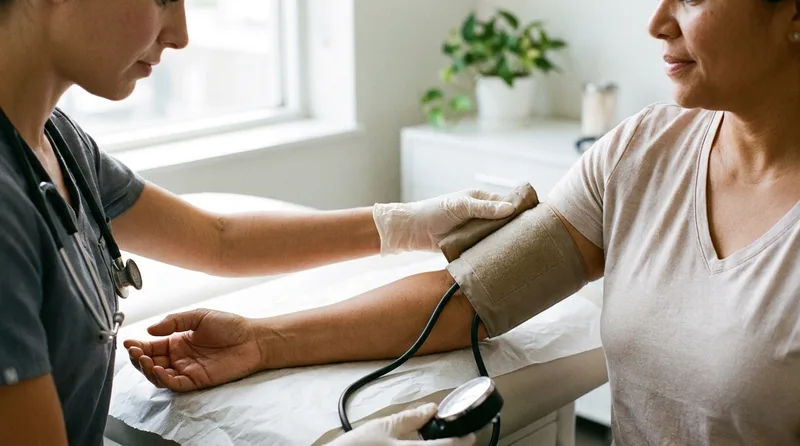
Picture a typical week. An NP might see a patient with a stubborn cough on Monday, adjust blood pressure medication on Wednesday, and run an annual physical on Friday. That range is the point. According to the CDC, three in four U.S. adults have at least one chronic condition, and over half have two or more, so ongoing care matters.
Most NPs choose a population focus in graduate school, such as family, adult-gerontology, pediatrics, or women's health. A family nurse practitioner (FNP) is trained to care for patients across the lifespan, which is why you'll often meet one in primary care. For a plain-language overview, Healthline's guide to nurse practitioners is a good starting point. MedlinePlus describes an NP as a nurse with graduate-level training in advanced practice nursing.
Here's what a nurse practitioner typically does:
- Performs physical exams and routine health screenings
- Diagnoses and treats common illnesses and minor injuries
- Orders and interprets lab work and imaging
- Prescribes medication within state law
- Manages long-term conditions such as high blood pressure and type 2 diabetes
- Coaches patients on nutrition, sleep, and prevention
- Refers you to a specialist when your care calls for one
How Is a Nurse Practitioner Different From a Registered Nurse?
The main difference is decision-making authority. A registered nurse (RN) delivers hands-on care and carries out a treatment plan, while a nurse practitioner diagnoses conditions and builds that plan. Every NP starts as an RN, then adds a graduate degree and national certification.
Think of the difference this way. An RN checks vital signs, gives medication, teaches patients, and watches for changes. An NP handles the visit itself: taking the history, examining you, ordering labs, and writing the prescription. In most clinics the two work side by side, and both matter.
Is a Nurse Practitioner a Doctor?
No, a nurse practitioner isn't a medical doctor (MD or DO). NPs are licensed clinicians who complete graduate nursing education and board certification, and they can diagnose conditions and prescribe medicine. Some earn a Doctor of Nursing Practice (DNP), a doctoral degree in nursing rather than medicine.

That DNP detail causes most of the confusion. It's a real doctoral degree, but it trains advanced nursing practice, leadership, and evidence-based care, not medical school. Physicians complete four years of medical school followed by a residency, which typically runs three to seven years depending on specialty.
So a physician often brings deeper training in rare or complex disease, while an NP brings a nursing-based focus on prevention, education, and the whole person. Neither is a lesser version of the other. They're different paths built for overlapping work.
When in doubt, ask your provider, "What are your credentials?" A good clinician will answer plainly. At Lyva, Alaa Hammond holds a Master of Science in Nursing (MSN) and AANP board certification as a family nurse practitioner (FNP-C).
Related: Want a side-by-side look at choosing between the two for your own visit? Doctor vs Nurse Practitioner in Atlanta: Who Should You See? →
Nurse vs Nurse Practitioner vs Doctor: How Do the Three Roles Compare?
A registered nurse delivers and coordinates care, a nurse practitioner diagnoses and treats patients as a primary care provider, and a physician has medical school and residency training for the most complex or specialized care. All three matter, and they often work together on one care team.
| Role | Typical education | Diagnoses and prescribes? | Common role |
|---|---|---|---|
| Registered nurse (RN) | Associate or bachelor's degree in nursing, plus an NCLEX-RN license | No. Carries out the care plan and provider orders | Hands-on care, monitoring, and patient education |
| Nurse practitioner (NP) | Master's or doctoral degree in nursing, plus national certification | Yes, within the limits of state law | Primary care provider who manages ongoing conditions |
| Physician (MD or DO) | Medical school, then a residency | Yes | Primary care, specialty care, surgery, and complex cases |
Notice how much these roles overlap. In most clinics, RNs, NPs, and physicians share information, hand off patients, and lean on each other's strengths. The real question isn't which title ranks highest. It's which one fits what you need today.
What Can a Nurse Practitioner Treat, and When Should You See a Physician?
NPs treat most routine and ongoing primary care needs, including infections, minor injuries, physicals, and chronic conditions. You may need a physician or specialist for complex, rare, or surgical problems, and a good NP will tell you when that's the case and arrange the referral.
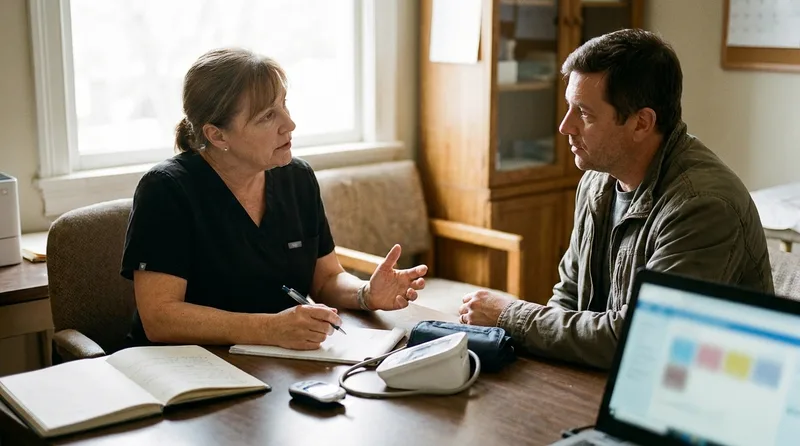
Consider the numbers. The CDC reports that nearly half of U.S. adults, about 48%, have high blood pressure. CDC data also show that type 2 diabetes makes up 90-95% of diagnosed diabetes cases. Both are managed in primary care every day, including by nurse practitioners.
A peer-reviewed analysis of national survey data in the American Journal of Public Health found that adults with a usual source of care were more likely to receive preventive services. In other words, a consistent provider you trust matters. A referral to a specialist is usually a sign the system is working, not that your NP is out of their depth.
These situations usually call for a physician or specialist:
- A condition that isn't improving with treatment
- A suspected rare or complex disease
- Surgery or an advanced procedure
- A diagnosis that needs specialty care, such as cardiology or oncology
For emergencies like chest pain or trouble breathing, call 911 or go to the nearest emergency room.
If you're hurt rather than sick, read how to tell when a minor injury needs the ER.
Have questions before you book?
Ask our team how care works at Lyva, from who you'll see to what a visit costs with insurance or self-pay.
Contact Us →How Do You Choose a Nurse Practitioner in Avondale Estates and Metro Atlanta?
Look for an NP who holds national board certification, an active Georgia license, and experience in the care you need. Then check the practical details: appointment access, insurance or self-pay pricing, and telehealth options. A good fit feels collaborative, not rushed.
Georgia law has NPs practice under a written protocol agreement with a physician, which sets out the medical acts the physician delegates and how the NP consults with the physician. It's fair to ask any clinic how that works day to day. CDC data show that 90% of the nation's annual health care spending goes to people with chronic and mental health conditions, so it pays to pick a provider you can stay with for years.
Questions worth asking before your first visit:
- Are you board-certified, and through which organization?
- Which conditions do you see most often?
- How quickly can I get a same-day or follow-up visit?
- How do you coordinate with physicians and specialists?
- What does a visit cost with insurance and without it?
Lyva Primary Care & Wellness Center is a nurse-practitioner-led clinic in Avondale Estates, just east of Decatur. Alaa Hammond, MSN, APRN, FNP-C, sees adults and families in person and by telehealth across Georgia. Lyva offers transparent self-pay pricing and accepts most major insurance. For more help, read our 8 tips for choosing a primary care provider in metro Atlanta. MedlinePlus also has trusted guidance on choosing a doctor or health care service.
A nurse practitioner isn't a stand-in for a doctor. It's a distinct, highly trained role built for primary care, prevention, and long-term relationships. So, what is a nurse practitioner in practice? A clinician who listens, diagnoses, treats, and knows when to bring in a specialist.
Your next step is simple. Book a visit, bring your questions, and see how an NP-led team handles your care.
This article is for general educational purposes only and is not a substitute for professional medical advice, diagnosis, or treatment. Always consult your provider at Lyva with any questions about a medical condition or treatment.
Ready to see a nurse practitioner in Avondale Estates?
Book a visit with Lyva Primary Care & Wellness Center, in person or by telehealth anywhere in Georgia.
Book Appointment →Prefer to talk first? Call our team in Avondale Estates.
Call (404) 905-6666 →Alaa Hammond, MSN, APRN, FNP-C
MSN, APRN, FNP-C · Lyva Primary Care & Wellness Center
Avondale Estates, GA family nurse practitioner providing whole-person primary and preventive care — including chronic disease management, men's health, and medical weight loss — in person and via telehealth across Georgia.
Frequently Asked Questions
Was this article helpful?
You may also like
High Blood Pressure Emergency: Signs and When to Call 911
High blood pressure emergency: know the 180/120 warning level, when to go to the ER or call 911, and what to do with mild or no symptoms.
Early Symptoms of COPD: 7 Warning Signs Not to Ignore
Early symptoms of COPD in Atlanta often look like a stubborn cough or getting winded. Learn 7 warning signs and when to get checked in Avondale Estates.

Lack of Energy in Perimenopause: 8 Causes and Fixes
Lack of energy in perimenopause has 8 common causes, from hormone swings to low iron. Learn what helps and when to see a provider in Avondale Estates.
Ready to Start Your Health Journey?
Schedule your appointment today and take the first step toward better health. New patients welcome. Most insurance accepted.

Primary Care • Men's Health • Weight Loss Clinic
Phone
+1 (404) 905-6666
Location
Avondale Estates, GA
Hours
Mon-Fri: 8AM - 6PM