High Blood Pressure Emergency: Signs and When to Call 911
High blood pressure emergency: know the 180/120 warning level, when to go to the ER or call 911, and what to do with mild or no symptoms.
Alaa Hammond, MSN, APRN, FNP-C, MSN, APRN, FNP-C
November 5, 2026
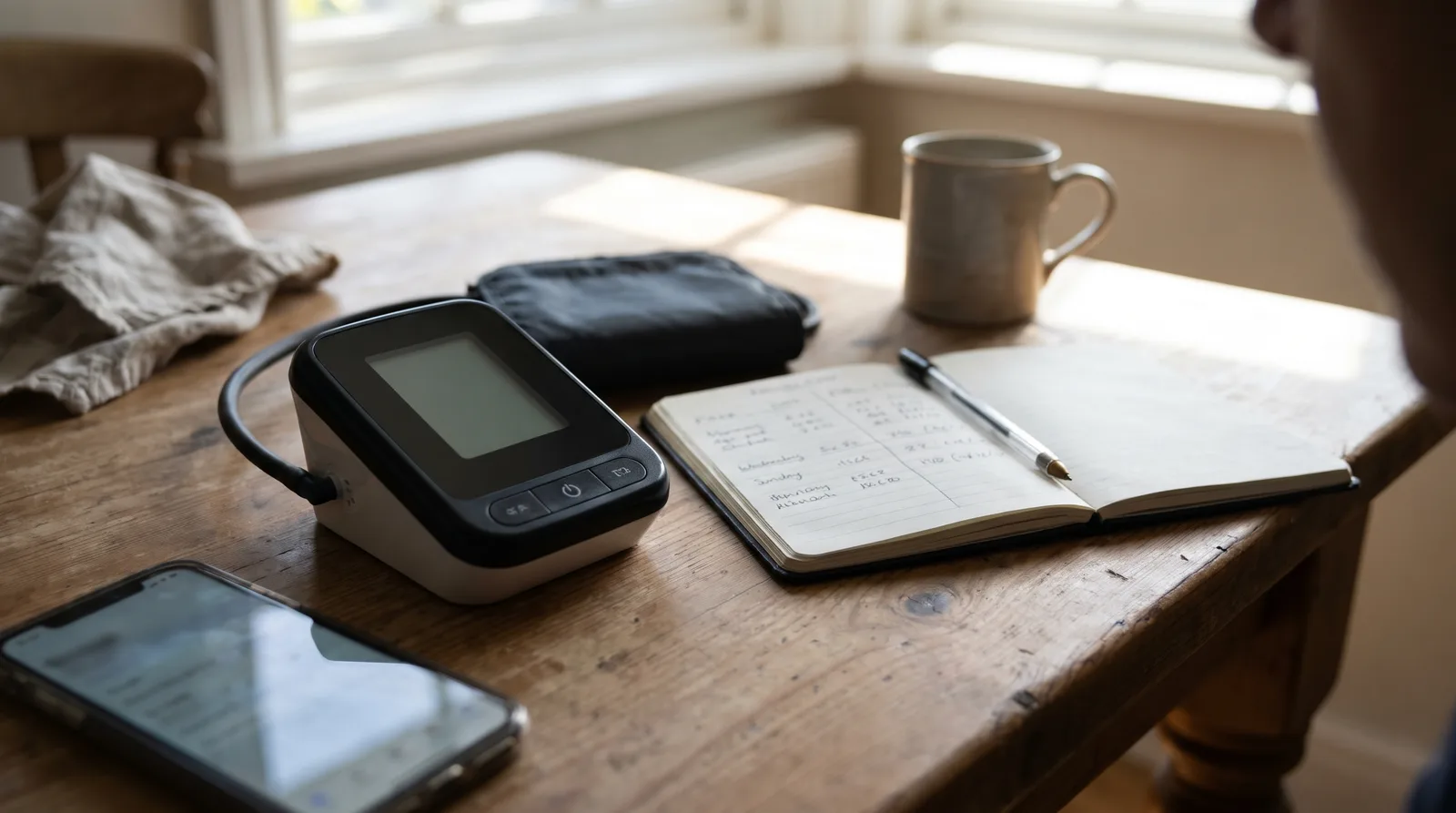
A high blood pressure emergency means a reading of 180/120 or higher plus signs of organ damage. It can start with one number on your home monitor, like 190/125. Doctors split very high readings into two types, urgency and emergency, and each calls for a different response. If you manage high blood pressure with chronic care support, it helps to know the difference before it happens.
This guide covers the 180/120 warning level, the symptoms that mean call 911, and what to do when you feel fine, or only a little off.
Want a plan for high readings before one happens?
Lyva Primary Care & Wellness Center offers same-day appointments when available in Avondale Estates, plus telehealth across Georgia.
Book Appointment →High Blood Pressure Emergency vs Urgency: What Is the Difference?
The difference is organ damage. Doctors call a reading of 180/120 or higher a hypertensive crisis, and it comes in two types. In an emergency, the heart, brain, kidneys, or eyes show signs of harm. In urgency, they don't.
Hypertensive urgency often causes no symptoms at all. Some people notice mild ones, like a headache, anxiety, or nausea. Often the monitor is the only clue. Some providers now call it severe hypertension.
| Factor | Urgency | Emergency |
|---|---|---|
| Blood pressure | 180/120 or higher | 180/120 or higher |
| Symptoms | None, or mild ones such as a headache, anxiety, or nausea | Chest pain, shortness of breath, back pain, numbness or weakness, vision changes, trouble speaking, severe headache, confusion |
| Organ damage | No signs of it | Signs of damage to the heart, brain, kidneys, eyes, or aorta |
| What to do | Rest, retest after about five minutes, and call your provider right away | Call 911 and don't wait to see if it comes down |
Crises are uncommon. According to Cleveland Clinic, about 1% to 2% of people who have high blood pressure experience one. It can also happen to people who have never had blood pressure problems before.
What Blood Pressure Is an Emergency?
A reading of 180/120 mm Hg or higher is the danger zone, which doctors call a hypertensive crisis. It becomes an emergency when signs of organ damage appear too. That means a top number of 180 or higher, a bottom number of 120 or higher, or both.
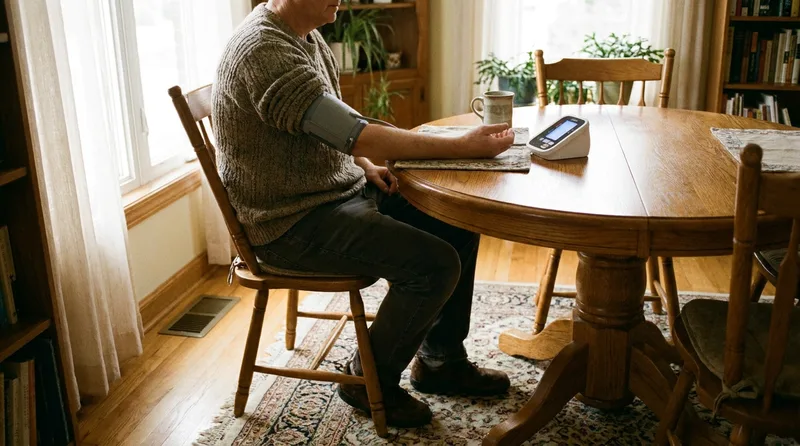
One high number isn't a diagnosis. Talking, moving, or a poorly fitted cuff can all throw a reading off. That's why the American Heart Association says to wait about five minutes and measure again. For comparison, a normal reading is below 120/80.
For the most reliable numbers, the AHA recommends an automatic, upper-arm cuff monitor. Wrist and finger monitors are less reliable. Here's how to retest:
- Sit in a chair with your back supported, feet flat on the floor, and legs uncrossed.
- Rest your arm on a table so the cuff sits at heart level.
- Place the cuff on bare skin, just above the bend of your elbow.
- Rest quietly for about five minutes. No talking, no phone.
- Measure again, then write down both readings and the time.
When Should You Go to the ER or Call 911 for High Blood Pressure?
Call 911 if your reading is 180/120 or higher and you have chest pain, shortness of breath, back pain, numbness or weakness, vision changes, or trouble speaking. These point to possible organ damage. Don't wait to see whether your pressure comes down on its own.
Cleveland Clinic adds severe headache, dizziness, confusion, seizures, heart palpitations, and passing less urine than usual to the list of emergency signs. Any of them with a reading this high deserves a 911 call.
Here are the signs to treat as an emergency:
- Chest pain or pressure
- Shortness of breath
- Back pain
- Numbness or weakness, or a drooping face
- Sudden vision changes
- Trouble speaking or slurred speech
- Severe headache, dizziness, or confusion
- A seizure
Why the rush? Readings this high can lead to stroke, heart attack, aortic dissection, or kidney damage, according to the AHA. If you can do it without delay, have your recent readings and medication list ready for the medical team.
Related: Want to understand your numbers before a spike happens? Managing High Blood Pressure: A Georgia Patient's Guide →
What Should You Do With a Very High Reading and Mild or No Symptoms?
Rest, then retest after about five minutes. If the second reading is still 180/120 or higher and you have no signs of organ damage, that's what doctors call hypertensive urgency, and you should call your provider right away. Your provider may adjust or add medicine, and hospital care is rarely needed.
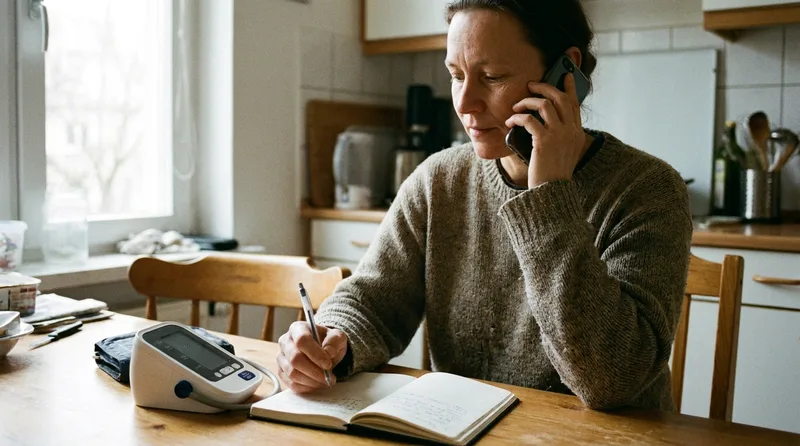
Mild symptoms can show up with urgency, such as a headache, anxiety, or nausea. But you can't sort out at home whether a symptom comes from organ damage. Cleveland Clinic advises emergency care for a reading of 180/120 or higher with any symptoms, so when you're unsure, call 911.
If you feel fine, or only a little off, take these steps:
- Sit down and rest quietly.
- Retest after about five minutes and note both readings.
- If it's still 180/120 or higher, call your provider right away.
- Write down the time, your readings, how you feel, and the medicines you take.
- Call 911 if chest pain, trouble breathing, vision changes, trouble speaking, or confusion appear.
Don't skip or stop your medicine. Your provider will tell you exactly which medicines to take and when.
Wondering how to bring it down fast? Resting and retesting are the safe first steps. Hospital teams treating an emergency lower pressure on a plan, sometimes gradually over 24 to 48 hours, because dropping it too quickly can keep organs from getting enough blood in some cases.
High reading but no emergency signs?
Call Lyva Primary Care & Wellness Center today. Same-day appointments are often available, and our team can tell you what to do next.
Call (404) 905-6666 →What Can Cause Blood Pressure to Spike Suddenly, and How Can You Lower Your Risk?
The most common cause is not taking blood pressure medicine as prescribed, whether that means missing doses or stopping suddenly. Kidney disease, too much sodium, and certain medicines can also play a part. Taking your medicine on schedule and keeping follow-up visits are key ways to lower your risk.
The CDC reports that nearly half of U.S. adults, about 48%, have high blood pressure. Only about 1 in 4 of them, 22.5%, have it under control. Cleveland Clinic calls a hypertensive crisis a warning sign that blood pressure isn't where it needs to be.
Some medicines can push pressure up, including steroids, certain antidepressants, and pseudoephedrine, an ingredient in some cold and flu products. If you take any of these, mention it at your next visit.
These habits help keep your numbers in range:
- Take your blood pressure medicine on schedule, and set phone reminders if that helps
- Never stop it without talking to your provider, even when readings look normal
- Check your pressure at home with an upper-arm cuff and keep a written log
- Limit sodium
- Keep every follow-up appointment
Where Can You Get Blood Pressure Care in Avondale Estates?
Lyva Primary Care & Wellness Center in Avondale Estates, just east of Decatur, offers blood pressure care in person and by telehealth across Georgia. Same-day appointments are often available. Lyva also accepts most major insurance and offers transparent self-pay pricing.
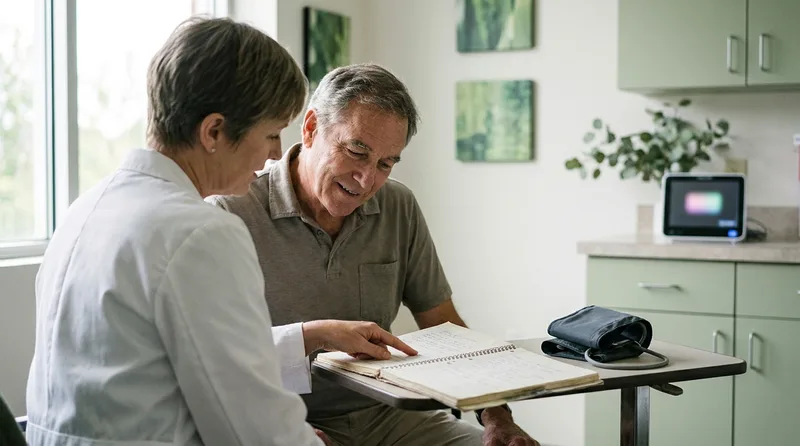
Alaa Hammond, MSN, APRN, FNP-C, a family nurse practitioner, leads care at Lyva. Lyva's chronic care services cover high blood pressure alongside related conditions like diabetes and cholesterol. You can see how same-day visits in Avondale Estates work before you call.
One reminder: Lyva is primary care, not an emergency room. For chest pain, trouble breathing, or any other emergency sign, call 911 first.
A high blood pressure emergency comes down to one question: are there signs of organ damage? If yes, call 911 and don't wait. If not, rest, retest, and call your provider right away.
Your next step is simple. Ask your provider which readings should prompt a call, then start keeping a log.
This article is for general educational purposes only and is not a substitute for professional medical advice, diagnosis, or treatment. Always consult your provider at Lyva with any questions about a medical condition or treatment.
Ready to take control of your blood pressure?
Book a visit with Lyva Primary Care & Wellness Center in Avondale Estates, in person or by telehealth anywhere in Georgia.
Book Appointment →Prefer to talk first? Call our team in Avondale Estates.
Call (404) 905-6666 →Alaa Hammond, MSN, APRN, FNP-C
MSN, APRN, FNP-C · Lyva Primary Care & Wellness Center
Avondale Estates, GA family nurse practitioner providing whole-person primary and preventive care — including chronic disease management, men's health, and medical weight loss — in person and via telehealth across Georgia.
Frequently Asked Questions
Was this article helpful?
You may also like
What Is a Nurse Practitioner? NP vs Nurse vs Doctor
What is a nurse practitioner? See how an NP differs from a nurse and a doctor, what NPs treat, and how to choose a provider in Avondale Estates, GA.
Early Symptoms of COPD: 7 Warning Signs Not to Ignore
Early symptoms of COPD in Atlanta often look like a stubborn cough or getting winded. Learn 7 warning signs and when to get checked in Avondale Estates.
Lack of Energy in Perimenopause: 8 Causes and Fixes
Lack of energy in perimenopause has 8 common causes, from hormone swings to low iron. Learn what helps and when to see a provider in Avondale Estates.
Ready to Start Your Health Journey?
Schedule your appointment today and take the first step toward better health. New patients welcome. Most insurance accepted.

Primary Care • Men's Health • Weight Loss Clinic
Phone
+1 (404) 905-6666
Location
Avondale Estates, GA
Hours
Mon-Fri: 8AM - 6PM