
Early Symptoms of COPD: 7 Warning Signs Not to Ignore
Early symptoms of COPD in Atlanta often look like a stubborn cough or getting winded. Learn 7 warning signs and when to get checked in Avondale Estates.
Alaa Hammond, MSN, APRN, FNP-C, MSN, APRN, FNP-C
November 4, 2026
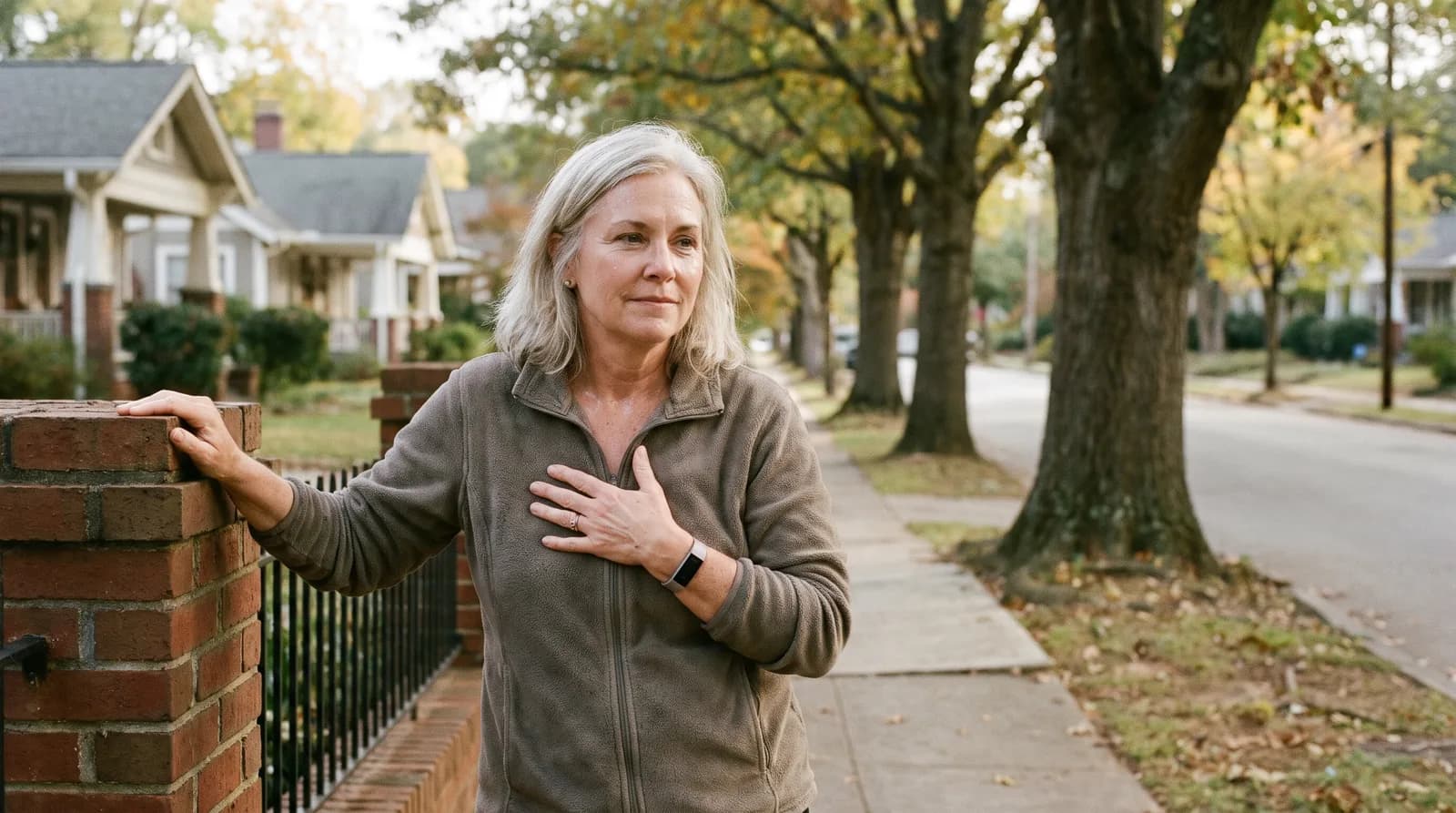
Early symptoms of COPD are easy to wave off. A cough that won't quit, stairs that leave you winded: you blame age, allergies, or Atlanta's pollen. But COPD starts quietly, and our chronic care team sees how much catching it early helps.
According to MedlinePlus, COPD, short for chronic obstructive pulmonary disease, is a group of lung diseases that make breathing difficult. Because symptoms build slowly, they're easy to mistake for a cold, allergies, or getting older. This guide walks through 7 warning signs, what each one looks like in daily life, and when it's time to see a provider in Avondale Estates.
Coughing or short of breath for weeks?
Same-day appointments are often available in Avondale Estates.
Book Appointment →1. Do early symptoms of COPD start with a chronic cough?
Yes, a chronic cough is often the first sign. A cough that lingers for weeks, especially in the morning, deserves attention even when you feel fine otherwise. Mayo Clinic notes that COPD symptoms may not appear until the lungs are significantly damaged, so a lingering cough shouldn't be ignored.
| Feature | Typical cold cough | Cough worth a COPD check |
|---|---|---|
| How long | 1-2 weeks | Weeks or months |
| Pattern | Fades as you recover | Daily, often worse in the morning |
| Mucus | Short-lived | Builds overnight |
Many people call it a smoker's cough or blame age. If it shows up most days, treat it as a symptom to check.
Worth a visit if your cough has lasted for weeks or keeps returning.
2. Is getting winded on everyday tasks a red flag for your lungs?
Yes, breathlessness during ordinary activity is one of the first symptoms of COPD. Climbing stairs, carrying groceries, or walking to the mailbox starts to feel harder than it should, and you need to stop and catch your breath before carrying on.
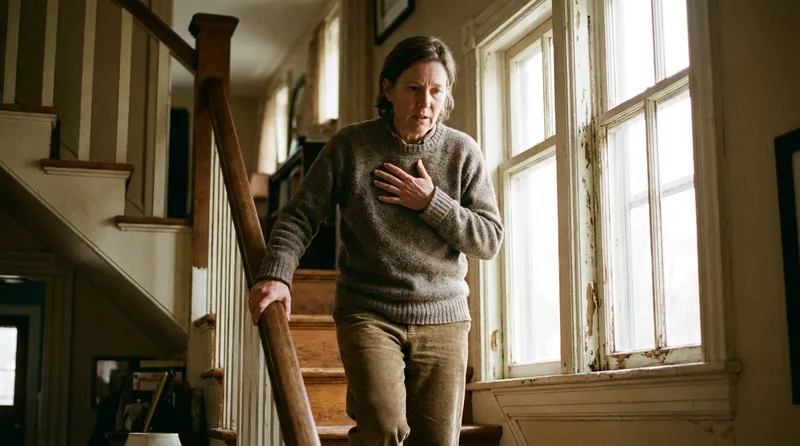
It creeps in slowly. You adapt a little each month, so it's easy to miss how much has changed. Maybe you used to reach your second-floor bedroom without thinking, and now you pause on the landing. Some people notice it while getting dressed, tying shoes, or walking from the car to the store, or on a hill they used to climb without noticing.
It isn't simply being out of shape. Breathlessness that outpaces your fitness is the signal.
Breathlessness has many causes, including heart and weight issues, so a provider can sort out which one fits. Worth a visit if it's new, worsening, or shows up during tasks that used to feel easy.
3. Should you take wheezing seriously?
Yes, wheezing is among the warning signs of COPD. It's a whistling or squeaky sound when you breathe out, caused by narrowed airways, and you may notice it most during exertion or at night.
Cleveland Clinic lists wheezing alongside cough, mucus, and breathlessness as core COPD symptoms. Asthma also causes wheezing, and it can start in adulthood, as our guide to adult onset asthma explains. COPD symptoms tend to persist and slowly worsen instead of arriving in clear flares.
Wheezing is easy to miss. It may come and go, appearing only when you exert yourself, lie down at night, or catch a cold. A partner may hear it before you do. A single wheeze during a cold is common, but one that keeps returning isn't. Note when it happens, because timing helps a provider tell asthma, allergies, and COPD apart.
Worth a visit if you wheeze regularly, even mildly, or it lingers after pollen season ends.
4. Can a tight chest signal a lung problem?
It can. Chest tightness, a squeezing feeling when you try to breathe in fully, is a recognized COPD symptom, though it has other causes. Tightness with pressure, sweating, or pain spreading to your arm or jaw is different and needs emergency care.
Heart problems can feel similar, which is why recurring tightness deserves a check. Notice when it happens: during effort, in cold air, or at rest. Call 911 for chest pain with sweating or arm or jaw pain.
Tightness is hard to describe. Some people feel a band around the ribs, others a heavy lid on every breath. Write down what you were doing, how long it lasted, and what eased it. Stress and anxiety can cause similar sensations, so a provider helps separate the causes.
Worth a visit if tightness keeps returning, even when it passes quickly.
Not sure what your symptoms mean?
A provider can help sort out the cause, in person or by telehealth.
Request an Appointment →5. Is clearing phlegm every morning more than a nuisance?
Yes, regular mucus, especially first thing in the morning, is a common warning sign. Irritated airways make extra mucus that pools overnight, so you wake up needing to clear your throat or cough it up before the day starts.
What matters is the pattern: mucus most days, for weeks. The CDC says tobacco smoke is the main cause of COPD, but long-term exposure to air pollution, dust, and workplace fumes can contribute too. Non-smokers can develop it.
Per Mayo Clinic, mucus may look clear, white, yellow, or greenish, so color alone isn't the clue. You may also feel a rattle in your chest, or notice you swallow mucus without thinking about it. Atlanta's smog days can make it worse, and so can smoke, dust, or cold air, which makes tracking it useful. It's one of the easier signs to log.
Worth a visit if you clear phlegm most mornings, or if it's bloody or has changed.
6. Are frequent chest infections a warning sign of COPD?
Yes, frequent chest infections can be a warning sign. COPD leaves airways more vulnerable, so a cold may settle in your chest, turn into bronchitis, or take weeks to clear, then keep coming back.
Think back over the last year. Did a cold always move to your chest? That pattern matters more than any single illness. Our guide to the 4 stages of COPD shows how symptoms can progress when they go unchecked.
Colds that last three weeks instead of one, or that always end with a wet cough, are the ones to remember. A chest infection can also leave you more breathless than usual afterward. Keep a simple list of dates and how long each illness lasted, even roughly. Repeated infections can also point to something else going on, which is another reason to have them looked at.
Worth a visit if infections keep returning or take longer than usual to clear.
7. Are you quietly avoiding activities because you get winded?
Often, yes, and without realizing it. Many people with early COPD slowly cut back on activity, because breathlessness feels easier to avoid than to explain. Those quiet workarounds are a warning sign in themselves, and they're easy to miss.
- Taking the elevator instead of the stairs
- Shortening walks or stopping to rest
- Skipping outings that involve walking
Ask yourself what you've stopped doing this year, and why. If the honest answer is "I get winded," mention it at your next visit.
Family members often notice first. They might say you've slowed down, or that you always want the closest parking spot. Their observations count as useful information, so ask them. They may also notice you sounding winded on the phone. Don't wait for an emergency to bring it up with your provider.
This sign is easy to dismiss because nothing hurts. You haven't had an emergency. You've just made life a little smaller. That's exactly what makes it worth raising.
Worth a visit if you've changed your routine to avoid breathlessness.
When should you see a provider for COPD symptoms in Avondale Estates?
See a provider when any of these signs lingers for weeks, when two or more show up together, or when breathing starts limiting what you do. At Lyva Primary Care & Wellness Center in Avondale Estates, a nurse practitioner can evaluate your symptoms.
Before your visit, note:
- When symptoms started and what worsens them
- Smoke, dust, or fume exposure at home or work
- Chest infections you've had this year

A visit can include a symptom and exposure history, a lung exam, and a plan that may involve breathing tests or a referral. According to the NIH's NHLBI, a breathing test called spirometry is the standard way to confirm COPD.
Same-day appointments in Avondale Estates are often available, and telehealth covers all of Georgia. Call 911 for severe breathlessness, blue or gray lips, or chest pain with sweating.
Early symptoms of COPD are quiet, but you can spot them. Write down what you notice this week and bring it to a visit.
This article is for general educational purposes only and is not a substitute for professional medical advice, diagnosis, or treatment. Always consult your provider at Lyva with any questions about a medical condition or treatment.
Ready to get your breathing checked?
Book a visit at Lyva in Avondale Estates, or start with telehealth.
Book Appointment →Prefer to talk first?
Call (404) 905-6666 →Alaa Hammond, MSN, APRN, FNP-C
MSN, APRN, FNP-C · Lyva Primary Care & Wellness Center
Avondale Estates, GA family nurse practitioner providing whole-person primary and preventive care — including chronic disease management, men's health, and medical weight loss — in person and via telehealth across Georgia.
Frequently Asked Questions
Was this article helpful?
You may also like
Lack of Energy in Perimenopause: 8 Causes and Fixes
Lack of energy in perimenopause has 8 common causes, from hormone swings to low iron. Learn what helps and when to see a provider in Avondale Estates.

Depression Treatment Near Decatur, GA: Where to Start
Looking for depression treatment near Decatur? Compare care options, from primary care to urgent help, and learn where to start in Avondale Estates.

Doctor vs Nurse Practitioner in Atlanta: Who Should You See?
Doctor vs nurse practitioner: compare training, what each can treat, and when to see which. Find primary care in Atlanta that fits your needs.
Ready to Start Your Health Journey?
Schedule your appointment today and take the first step toward better health. New patients welcome. Most insurance accepted.

Primary Care • Men's Health • Weight Loss Clinic
Phone
+1 (404) 905-6666
Location
Avondale Estates, GA
Hours
Mon-Fri: 8AM - 6PM