
Primary Care vs ER for Minor Injuries in Avondale Estates
Primary care vs ER for minor injuries: learn which cuts, sprains, and small fractures suit a same-day clinic visit and which need the ER.
Alaa Hammond, MSN, APRN, FNP-C, MSN, APRN, FNP-C
October 14, 2026
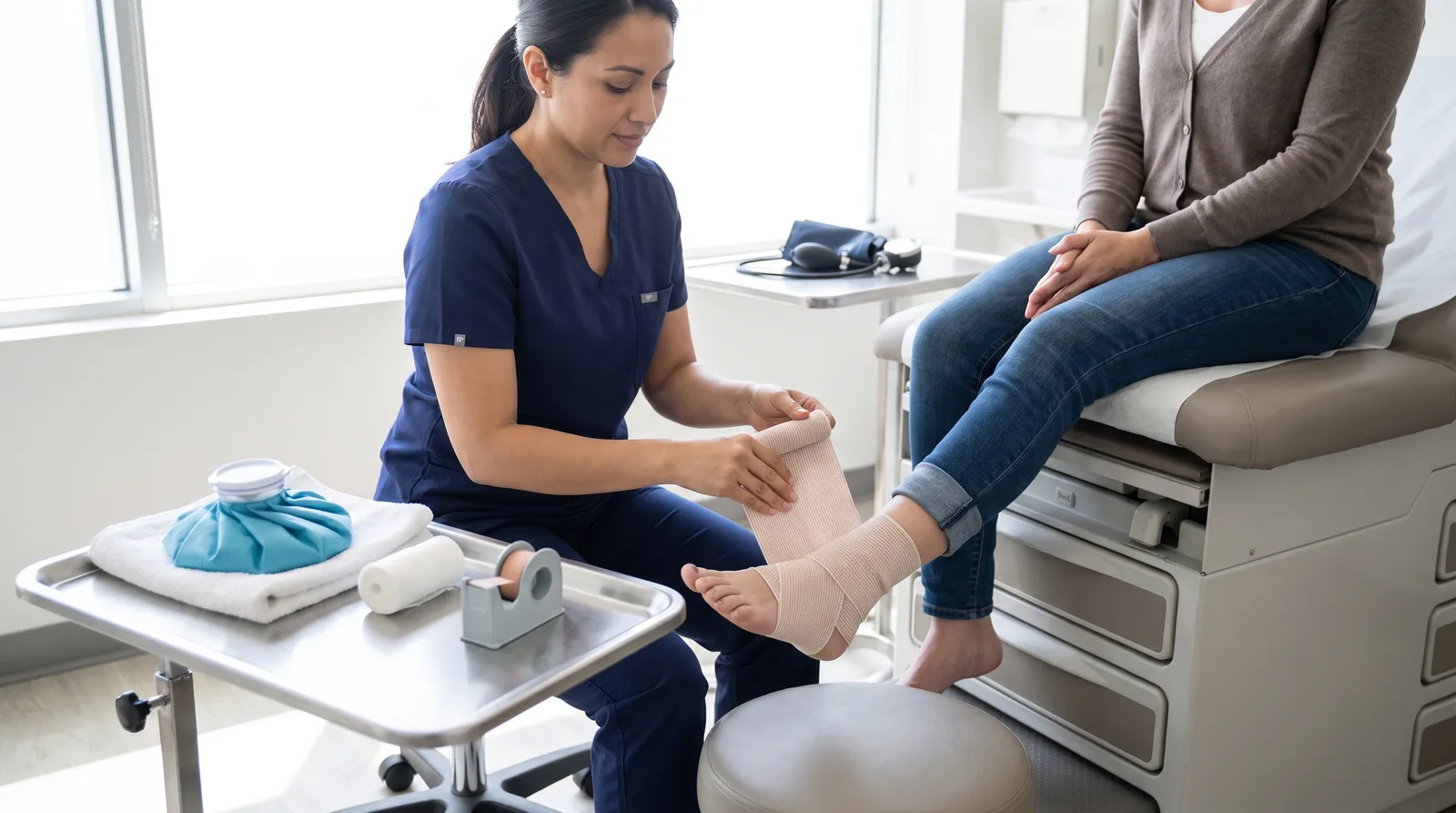
Primary care vs ER for minor injuries is a question most people ask while holding an ice pack. Maybe you rolled an ankle on a curb in Decatur, or a kitchen knife slipped while you were making dinner. You want fast care, but a long ER wait for something small feels like overkill.
Here's the good news: many cuts and mild sprains don't need an emergency room. This guide covers cuts, sprains, and small fractures, plus the warning signs that change your plan. It also explains when a same-day visit through Lyva's primary care services in Avondale Estates makes sense.
Hurt yourself and not sure where to go?
Call (404) 905-6666 and describe what happened. Our nurse practitioner-led team will help you choose the right next step.
Book Appointment →What Counts as a Minor Injury, and What Doesn't?
A minor injury is one where bleeding stops with pressure, you can still move or use the area, and nothing looks bent out of place. Think small cuts, mild sprains, and bruises. If any one of those three conditions fails, call your provider or go to the ER.
Clinicians ask three plain questions. Is the bleeding controlled? Can you use the area? Does the shape look normal?
Injuries that are usually minor
- Shallow cuts that stop bleeding after about 10 minutes of pressure
- Mild sprains where you can still bear some weight
- Bruises and strains that leave the limb looking normal
Injuries that are not minor
- Bleeding that spurts or soaks through bandages
- A limb or finger that looks bent or out of place
- Bone visible through the skin
- Numbness, or a hand or foot that turns pale or blue
Not sure which list you're in? Call first.
How Do You Treat a Cut and Tell If It Needs Stitches?
Rinse a cut with clean running water, press on it with clean gauze until the bleeding slows, then cover it. Plan on stitches if the edges gape open, the wound looks deep, or debris stays stuck inside after rinsing.
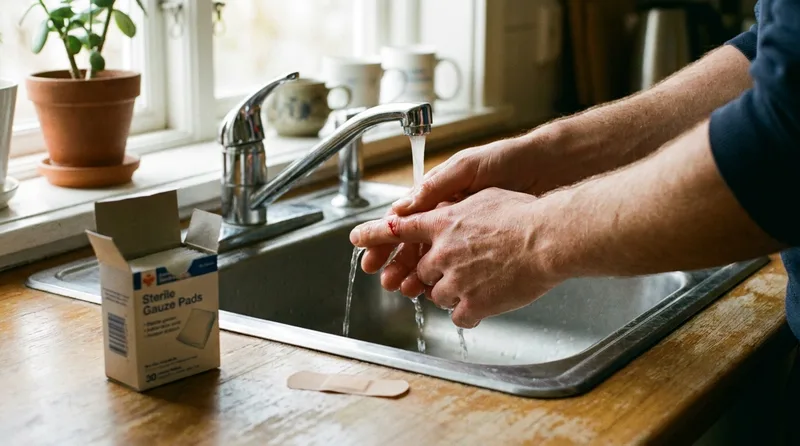
Most small cuts need only basic first aid. The Mayo Clinic lists the same core steps: stop the bleeding, clean the wound, and cover it.
- Press a clean cloth firmly on the cut for about 10 minutes without peeking.
- Raise the injured hand or foot above heart level while you press.
- Rinse with cool running water and wash the surrounding skin with mild soap.
- Cover with a sterile bandage (a thin layer of over-the-counter antibiotic ointment is optional), change it daily, and watch for redness, warmth, swelling, or pus.
Which cuts usually need stitches?
Closing a wound works best within hours, not days. Cuts over a joint or on the palm deserve a prompt look because movement pulls the edges apart.
Don't forget your tetanus shot
According to the CDC, adults need a tetanus booster every 10 years. A deep or dirty wound moves that clock up: if your last shot was more than 5 years ago, ask about a booster. Not sure of your date? Say so when you call.
Related: Wondering how same-day visits actually work? Here is what to expect before you book. Same-Day Doctor Appointments in Avondale Estates, GA →
Is It a Sprain or a Fracture, and Can You Tell at Home?
No, not reliably, because both injuries cause pain, swelling, and bruising. A sprain is a stretched or torn ligament, while a fracture is a break in the bone. Confirming which one you have usually takes an X-ray. Severe pain, a bent limb, or trouble bearing weight points toward a fracture.
MedlinePlus, the NIH health library, notes that sprains often come with a pop or tearing feeling. Early care means rest, ice, and a compression bandage. Fractures, by comparison, often bring intense pain and a limb that looks out of place.
| What you notice | More typical of a sprain | More typical of a fracture |
|---|---|---|
| Pain | Sore, and worse when you twist or move the joint | Intense and sharp, often right over the bone |
| Shape | Swollen, but the limb looks normally shaped | Bent, crooked, or out of place |
| Weight or grip | You can manage a few careful steps or a loose grip | You can't bear weight or use the hand at all |
Try the four-step test
Right after an ankle or foot injury, try taking four steps. If you can't, treat it as a possible fracture and get an X-ray.
What about small fractures?
Some small fractures, such as a broken toe or finger, are managed with buddy taping or a splint. Only an exam can confirm that, and MedlinePlus advises prompt medical care when you suspect a break.
Rolled an ankle or cut your hand?
Call Lyva at (404) 905-6666 about a same-day visit. If the ER is the better call, we'll tell you.
Request an Appointment →Primary Care vs ER for Minor Injuries: When Should You Choose the ER?
Choose the ER for life-threatening problems like uncontrolled bleeding, bone through the skin, or a head injury with confusion. Choose same-day primary care for small, stable injuries like shallow cuts and mild sprains, where you can still use the area.
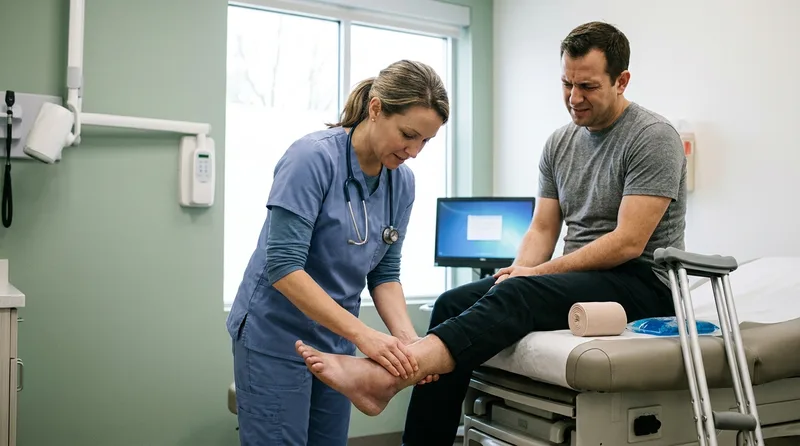
Go to the ER or call 911 for
- Bleeding that soaks through after 10 minutes of firm pressure, or that spurts
- Bone visible through the skin, or a limb clearly bent out of shape
- A hand or foot that is numb, cold, pale, or blue
- A head injury with confusion, repeated vomiting, or passing out
How primary care and the ER compare
| Same-day primary care | Emergency room | |
|---|---|---|
| Best for | Minor sprains, small cuts, bruises, and follow-up | Severe or life-threatening injuries |
| Hours | Set hours (Lyva: Mon-Fri 8-6, Sat 9-2, closed Sunday) | Open 24 hours a day |
| Imaging and stitches | Call ahead to confirm what's available | Full capability |
| Typical cost | Usually lower | Usually the highest |
How Do You Find Same-Day Primary Care for a Minor Injury?
Look for a clinic that offers same-day appointments, takes your insurance or posts clear self-pay prices, and will triage your injury by phone. Calling first matters most, because staff can often tell you within minutes whether to come in or head to the ER.
Lyva Primary Care & Wellness Center sits in Avondale Estates, just east of Decatur, and serves metro Atlanta and DeKalb County. The nurse practitioner-led team offers same-day appointments, plus telehealth across Georgia. Call (404) 905-6666 and describe the injury.
Lyva accepts Medicare, Medicaid, Blue Cross Blue Shield, Cigna, UnitedHealthcare, Humana, and most PPO plans. Self-pay patients get transparent, upfront pricing, and details are on the insurance page.
AHRQ reports that having a usual source of primary care is linked to better health outcomes and more preventive care. A minor injury visit can start that relationship.
Do You Need a Follow-Up After a Minor Injury?
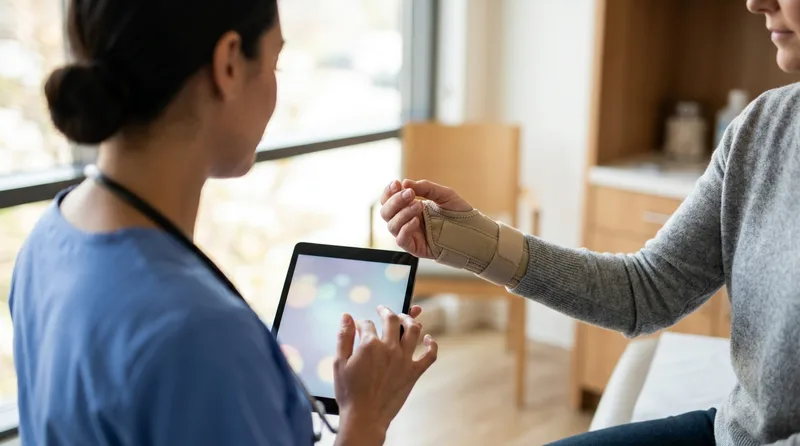
Yes, a follow-up confirms that stitches, splints, and sprains are healing the way they should. ER teams treat the immediate problem. Primary care tracks your recovery and coordinates referrals to orthopedics or physical therapy when you need them.
Healing isn't the same for everyone. According to the CDC, more than 10% of Americans, about 40 million people, have diabetes, and about 25% of them don't know it. High blood sugar can slow wound healing, so a small cut that still looks angry after several days deserves a check. The CDC also reports that 60% of U.S. adults have a chronic disease and 40% have two or more.
Book a follow-up sooner if you notice any of these:
- Redness that spreads, warmth, pus, or a fever
- Swelling or pain that worsens after two to three days
- Numbness, tingling, or a splint that feels too tight
The right call comes down to three questions. Is bleeding controlled, can you use the area, and does everything look normal? If you can answer yes to all three, a same-day primary care visit is usually the faster, lower-cost choice.
Answer no to any of them and the ER is the safer choice. Still unsure? Call (404) 905-6666 before you go, and Lyva's team in Avondale Estates will help you pick the next step.
This article is for general educational purposes only and is not a substitute for professional medical advice, diagnosis, or treatment. Always consult your provider at Lyva with any questions about a medical condition or treatment.
Need care for a cut, sprain, or bruise?
Book a same-day visit at Lyva in Avondale Estates, or call (404) 905-6666 first.
Book Appointment →Alaa Hammond, MSN, APRN, FNP-C
MSN, APRN, FNP-C · Lyva Primary Care & Wellness Center
Avondale Estates, GA family nurse practitioner providing whole-person primary and preventive care — including chronic disease management, men's health, and medical weight loss — in person and via telehealth across Georgia.
Frequently Asked Questions
Was this article helpful?
You may also like
Irregular Periods Causes: Hormone Levels and When to Worry
Learn the top irregular periods causes, what hormone levels like FSH and TSH reveal, and when to see a provider. Lyva serves Avondale Estates, GA.

Cholesterol Numbers Explained: LDL, HDL, and Triglycerides
Cholesterol numbers explained: what LDL, HDL, and triglycerides mean on your lipid panel, why total cholesterol misses the full picture, and next steps.
Perimenopause vs Menopause: Key Differences and Treatment
Perimenopause vs menopause explained: how symptoms, hormones, and treatment options differ, and when to see a nurse practitioner in Avondale Estates, GA.
Ready to Start Your Health Journey?
Schedule your appointment today and take the first step toward better health. New patients welcome. Most insurance accepted.

Primary Care • Men's Health • Weight Loss Clinic
Phone
+1 (404) 905-6666
Location
Avondale Estates, GA
Hours
Mon-Fri: 8AM - 6PM