
Lack of Energy in Perimenopause: 8 Causes and Fixes
Lack of energy in perimenopause has 8 common causes, from hormone swings to low iron. Learn what helps and when to see a provider in Avondale Estates.
Alaa Hammond, MSN, APRN, FNP-C, MSN, APRN, FNP-C
November 4, 2026
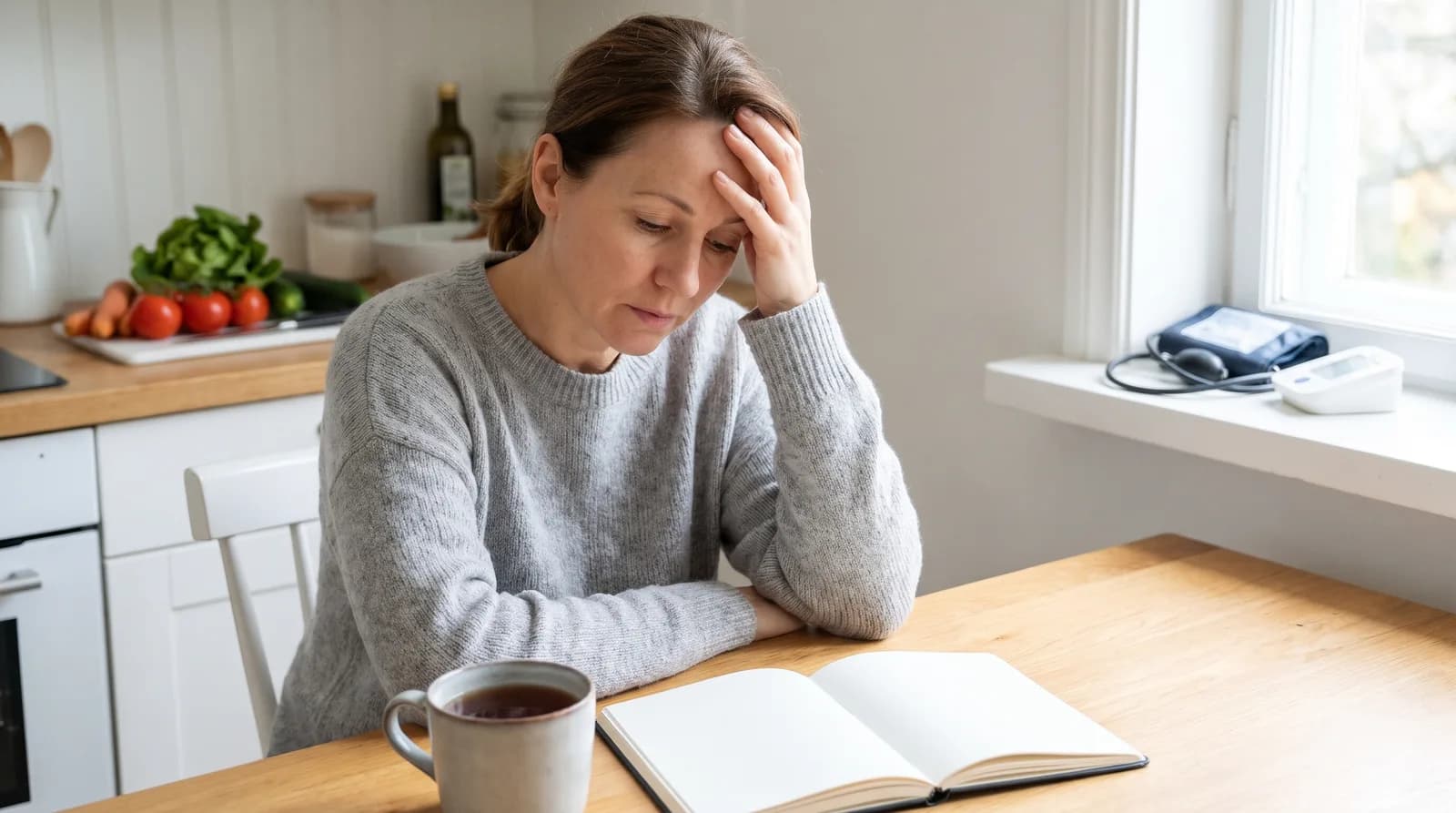
Lack of energy in perimenopause can feel like someone flipped a switch. You sleep a full night, wake up foggy, and by mid-afternoon you're running on caffeine alone. Many women in Avondale Estates and across metro Atlanta describe the same pattern, and our hormone health care starts by working out why.
Sometimes hormones explain it. Often they don't, or not entirely. Below you'll find 8 common causes, what helps with each, and the signs that mean it's time to get checked at Lyva Primary Care & Wellness Center.
Tired for weeks and not sure why?
Same-day appointments are often available in Avondale Estates, and telehealth reaches patients across Georgia.
Book Appointment →What causes lack of energy in perimenopause?
Perimenopause fatigue usually starts with estrogen and progesterone shifting unevenly, which disrupts sleep, mood, and body temperature. But hormones rarely act alone. Iron, thyroid function, blood sugar, stress, and daily habits can pile on, so the real cause often has several layers.
Cleveland Clinic describes perimenopause as the transition phase before menopause. It can last several years, and hormone levels don't fall in a smooth line. They rise and dip unpredictably. According to Mayo Clinic, common changes include hot flashes, sleep problems, and mood changes, so tiredness rarely shows up alone.
Fatigue and menopause symptoms often travel together:
- Waking unrefreshed after a full night in bed
- Brain fog and trouble finding words
- Afternoon crashes that coffee no longer fixes
- Hot flashes, night sweats, or periods that start to vary
Does it ease once periods stop? Sometimes. MedlinePlus defines menopause as 12 months in a row without a period, and hormone swings usually calm afterward. Still, women who find themselves with no energy during menopause often have the same layered causes described below. Our guide to perimenopause vs menopause explains how the stages differ.
Which hormone and sleep changes drain your energy?
Three changes do most of the damage: swinging estrogen and progesterone, night sweats that break up sleep, and sleep disorders such as sleep apnea, which can emerge at midlife. Each one chips away at rest, and rest is where your energy gets rebuilt.

1. Swinging estrogen and progesterone
Estrogen influences sleep, mood, and how your body handles stress. Progesterone is often described as calming, and many women notice lighter sleep as it dips. When both swing at once, nights get shorter and days get longer. Our post on hormonal fatigue in women covers how testing can show whether this is part of your picture.
What helps: a steady sleep schedule, plus a visit to discuss testing if symptoms disrupt daily life.
2. Night sweats and broken sleep
A night sweat can wake you several times without you remembering any of them. You spend eight hours in bed and never reach deep rest. Then the morning arrives, and so does the fog.
What helps: a cooler bedroom, breathable bedding, lighter dinners, and less alcohol, which can trigger flushing. If sweats soak your sheets most nights, say so at your next visit.
3. Sleep apnea and other sleep problems
Loud snoring, gasping awake, or morning headaches can point toward sleep apnea. It's easy to blame hormones for tiredness that a sleep evaluation would explain. Insomnia belongs in this group too, and it's treatable.
What helps: tell your provider about snoring or choking at night. A screening can lead to a sleep evaluation if one is needed.
Which health problems can look like perimenopause fatigue?
Low iron, thyroid problems, and blood sugar swings can all mimic perimenopause fatigue. They're also common and testable, so a short round of blood work can separate them from hormone changes. Treating the right cause matters far more than guessing.
| Possible cause | Common clues | Usual first check |
|---|---|---|
| Iron deficiency | Heavy or long periods, breathlessness on stairs, pale skin, cold hands | Blood count and ferritin test |
| Underactive thyroid | Cold sensitivity, dry skin, weight changes, low mood | TSH blood test |
| Blood sugar problems | Energy crashes after meals, strong thirst, frequent urination | A1C or fasting glucose test |
4. Iron deficiency from heavy or irregular periods
Perimenopausal periods can turn heavy, long, or unpredictable. Blood loss drains iron, and low iron brings exhaustion, breathlessness, and pale skin.
What helps: ask for a blood count and ferritin check before starting any supplement, since too much iron causes its own problems.
5. Thyroid problems
An underactive thyroid slows everything down, and its symptoms overlap with perimenopause: tiredness, weight changes, cold sensitivity, and low mood. Thyroid conditions are also more common in women. The good news is that they're treatable.
Weight change is one of the clearer clues, and our guide to thyroid weight gain shows what else to watch for.
What helps: a simple TSH blood test sorts it out.
6. Blood sugar swings and insulin resistance
Energy crashes an hour after meals can signal blood sugar trouble. According to the CDC, more than 1 in 3 U.S. adults has prediabetes, and most don't know they have it. Fatigue is one of the quiet signs.
What helps: an A1C or fasting glucose test, plus meals that pair protein with fiber.
Let's look for the cause together.
A visit at Lyva can sort hormone changes from other treatable causes of tiredness, in person or by telehealth.
Request an Appointment →How do mood and daily habits drain your energy?
Anxiety, low mood, chronic stress, and everyday habits like skipped meals, alcohol, and late caffeine all sap energy, and perimenopause can make each one hit harder. They're also among the most changeable causes, which makes them a smart place to start.

7. Anxiety, low mood and depression
Mood shifts are common in perimenopause, and persistent sadness or worry is exhausting in its own right. The CDC reports that more than 1 in 5 U.S. adults lives with a mental illness, so you're far from alone.
What helps: tell your provider how long it's lasted. Therapy, medication management, and better sleep can all play a role.
8. Stress, inactivity, alcohol and late caffeine
Chronic stress keeps your body on alert, and a 4 p.m. latte can follow you into the night. Alcohol may help you drop off but often fragments sleep later. Long desk days with little movement make tiredness worse, not better.
What helps: a caffeine cutoff by early afternoon, a short walk after lunch, and one stress-relief habit you'll actually keep.
How can you combat fatigue and increase energy during perimenopause?
Start with the basics: protect your sleep, move daily, eat regular balanced meals, and trim alcohol and late caffeine. These habits won't fix an underlying thyroid or iron problem, but they make each day easier while you learn what's driving the tiredness.
- Set a fixed wake time, even on weekends, and keep your bedroom cool and dark.
- Take a brisk 20-minute walk most days, and add some strength training each week.
- Eat protein and fiber at every meal, with iron-rich foods like beans, lean meat, or leafy greens.
- Cut caffeine after early afternoon and limit evening alcohol.
- Build in one stress-relief break each day, such as stretching, slow breathing, or time outdoors.
- Keep a 2-4 week log of sleep, energy, and cycle changes to bring to your visit.
Small changes beat big overhauls. Pick two this week. And skip supplement stacks until a test shows a real gap.
What perimenopause fatigue relief can a provider offer?
A provider can look for the cause, treat what's treatable, and discuss options for hormone-related symptoms. That starts with a symptom history and basic labs. Relief then depends on what the results show, whether that's iron, thyroid, sleep, mood, or hormone changes.

At Lyva Primary Care & Wellness Center in Avondale Estates, just east of Decatur, a fatigue visit can include:
- A review of your symptoms, sleep, and cycle history
- Labs such as thyroid, iron, and blood sugar, plus hormone testing when it fits
- A conversation about sleep, mood, and lifestyle changes
- A discussion of treatment options, including hormone therapy, with risks and benefits explained
Our explainer on what a hormone panel actually checks shows what testing can and can't tell you. Hormone therapy isn't right for everyone, and results vary. Your provider will weigh your health history before suggesting anything. Same-day visits are often available, and telehealth covers patients anywhere in Georgia.
When is fatigue a reason to see a provider?
Book a visit when fatigue lasts more than a few weeks, interferes with work or home life, or arrives with other worrying symptoms. You don't need to wait until it's unbearable. Early checks are quick and often point to a simple cause.
Seek care sooner if you notice:
- Very heavy or soaking periods
- Shortness of breath, chest pain, or a racing heartbeat
- Sadness that won't lift, or thoughts of self-harm
For chest pain or trouble breathing, go to the nearest emergency room or call 911. If you're thinking about harming yourself, call or text 988 right away.
Lack of energy in perimenopause is common, but it isn't something you have to accept. Finding out which of the 8 causes applies to you is the most useful step, because the right fix depends on it.
Start with a symptom log this week, then bring it to a visit. Whether you come to our Avondale Estates clinic or connect by telehealth, we'll help you sort out what's behind it.
This article is for general educational purposes only and is not a substitute for professional medical advice, diagnosis, or treatment. Always consult your provider at Lyva with any questions about a medical condition or treatment.
Ready to find out what's behind your tiredness?
Book a visit at Lyva Primary Care & Wellness Center in Avondale Estates, or start with telehealth from anywhere in Georgia.
Book Appointment →Prefer to talk it through first?
Call (404) 905-6666 →Alaa Hammond, MSN, APRN, FNP-C
MSN, APRN, FNP-C · Lyva Primary Care & Wellness Center
Avondale Estates, GA family nurse practitioner providing whole-person primary and preventive care — including chronic disease management, men's health, and medical weight loss — in person and via telehealth across Georgia.
Frequently Asked Questions
Was this article helpful?
You may also like

Early Symptoms of COPD: 7 Warning Signs Not to Ignore
Early symptoms of COPD in Atlanta often look like a stubborn cough or getting winded. Learn 7 warning signs and when to get checked in Avondale Estates.

Depression Treatment Near Decatur, GA: Where to Start
Looking for depression treatment near Decatur? Compare care options, from primary care to urgent help, and learn where to start in Avondale Estates.

Doctor vs Nurse Practitioner in Atlanta: Who Should You See?
Doctor vs nurse practitioner: compare training, what each can treat, and when to see which. Find primary care in Atlanta that fits your needs.
Ready to Start Your Health Journey?
Schedule your appointment today and take the first step toward better health. New patients welcome. Most insurance accepted.

Primary Care • Men's Health • Weight Loss Clinic
Phone
+1 (404) 905-6666
Location
Avondale Estates, GA
Hours
Mon-Fri: 8AM - 6PM