
Constant Fatigue in Women: Hormone Problem or Stress?
Constant fatigue in women isn't always stress. Learn when thyroid, perimenopause, or hormone shifts are the cause, and how testing works at Lyva.
Alaa Hammond, MSN, APRN, FNP-C, MSN, APRN, FNP-C
September 30, 2026

Constant fatigue in women is ongoing tiredness that rest doesn't fix, and it often traces back to thyroid changes, perimenopause, or low iron, not just stress. It rarely announces itself. It shows up as a 2 p.m. crash that coffee no longer fixes, or a morning that feels heavy after eight hours of sleep. You're not imagining it.
Shifts in thyroid, estrogen, progesterone, cortisol, and insulin can all drain energy, and they often overlap. At Lyva Primary Care & Wellness Center in Avondale Estates, patients from Decatur and across metro Atlanta bring this exact complaint to our primary care and wellness services. This guide covers what drives the tiredness, which other conditions mimic it, and how testing works.
Tired for weeks with no clear reason?
Lyva offers women's hormone health care in person in Avondale Estates and by telehealth across Georgia.
Explore wellness services →What Does Constant Fatigue Feel Like, and When Is It Hormonal?
Constant fatigue feels like tiredness that sleep and weekends don't fix, and it points to hormones when it follows your cycle, arrives with night sweats, or comes with thyroid symptoms. A provider confirms the cause with a visit and labs.

Hormonal fatigue isn't a formal diagnosis. It's a pattern, and testing shows which hormone, if any, is driving it. MedlinePlus describes fatigue as lasting tiredness or weakness with many possible causes, and hormones are only one of them.
Here's how it often feels day to day:
- You wake up unrefreshed after seven or eight hours in bed.
- The afternoon slump arrives earlier each month.
- Brain fog creeps in: lost words, re-read emails, forgotten errands.
- Your energy rises and falls with your cycle.
Jot down when the tiredness peaks for two to four weeks. A simple 1-to-10 score each evening is enough.
Which Hormones Affect Your Energy Levels?
Thyroid hormones, estrogen, progesterone, cortisol, and insulin all influence energy. Thyroid sets your metabolic pace, estrogen and progesterone shape sleep and mood, cortisol runs your stress response, and insulin moves sugar into cells. When one drifts, tiredness often follows.
| Hormone | Role in energy | Common signal when off balance |
|---|---|---|
| Thyroid (TSH, T4) | Sets your metabolic pace | Sluggishness or jitteriness, cold or heat sensitivity, weight changes |
| Estrogen | Supports sleep quality and mood | Night sweats, broken sleep, brain fog |
| Progesterone | Promotes calm and deeper sleep | Restless nights, irritability |
| Cortisol | Drives waking and the stress response | Wired at night, flat by midday |
| Insulin | Moves sugar into cells for fuel | Energy crashes after meals |
According to MedlinePlus, hypothyroidism means the thyroid makes too little hormone, and tiredness is a common symptom. A simple blood test checks it.
You'll see "adrenal fatigue" online, but it isn't a recognized medical diagnosis. Cortisol can still matter, so a provider looks at the whole pattern.
How Can You Tell a Hormone Problem From Stress?
Stress-related tiredness usually eases when the pressure lifts, while hormone-driven tiredness lingers through time off and solid sleep. Timing is the biggest clue. Exhaustion that follows your cycle, arrives with night sweats, or comes with cold sensitivity deserves a hormone check.
Tiredness is often blamed on stress alone, and that's a fair first guess. But when tiredness survives a vacation or a quiet week, it's worth looking deeper.
| Clue | Points toward stress | Points toward hormones |
|---|---|---|
| Timing | Worst during busy or tense stretches | Follows your cycle or appears with no clear trigger |
| Response to rest | Improves after time off or good sleep | Stays flat despite rest |
| Other symptoms | Tight shoulders, racing thoughts, short temper | Night sweats, cold sensitivity, irregular periods |
| Duration | Eases when the pressure lifts | Lasts weeks to months |
Here's the catch: it isn't either-or. Chronic stress can push cortisol out of rhythm, and shifting hormones can shrink your stress tolerance. If two to three weeks of better sleep don't help, ask your provider about labs.
Why Does Perimenopause Make You So Tired?
Perimenopause makes you tired because estrogen and progesterone swing unpredictably, which disrupts sleep and strains mood. Night sweats break up rest, so sleep quality drops even when hours in bed look normal. It often starts in your 40s, sometimes sooner.

Three mechanisms do most of the damage:
- Fragmented sleep. Night sweats and hot flashes wake you repeatedly, often without a memory of it.
- Falling progesterone. This calming hormone dips, so sleep gets lighter and restless.
- Mood strain. Anxiety and low mood drain mental energy, and both flare during hormone swings.
AHRQ notes that primary care is often the first place people seek help for anxiety and depression, so one visit can address mood and energy together.
Irregular periods, new night sweats, and shifting cycle length are the clearer clues. Without them, look harder at thyroid, iron, and sleep.
Related: See the full symptom breakdown. Perimenopause Symptoms: What's Normal and When to Test →
What Else Can Cause Fatigue That Looks Hormonal?
Iron deficiency, sleep apnea, low vitamin B12, high blood sugar, depression, and some medications can all mimic hormonal tiredness. Symptoms overlap heavily, so guessing rarely works. A provider checks these alongside hormones so you don't treat the wrong problem for months.
Cleveland Clinic's overview of fatigue groups causes into medical, lifestyle, and mental health categories.
Causes worth ruling out first
- Iron deficiency anemia: Less iron means less oxygen delivery. Tiredness and breathlessness on stairs are common, especially with heavy periods.
- Sleep apnea: Repeated breathing pauses fragment sleep. Loud snoring and morning headaches are clues.
- Blood sugar problems: The CDC reports that more than 1 in 3 U.S. adults has prediabetes, and most don't know it.
- Medications: Some prescriptions cause drowsiness. Never stop one without talking to your provider.
Depression and anxiety can also look like hormonal tiredness. The CDC reports that 6 in 10 U.S. adults live with a chronic disease, and many bring persistent tiredness along.
How Do You Test for Constant Fatigue in Women?
Testing starts with a conversation and a physical exam, followed by targeted blood work. A provider typically checks thyroid markers, a blood count, iron stores, vitamin levels, and blood sugar, then adds reproductive hormones when symptoms and age point that way.

A typical path looks like this:
- Visit: Your provider reviews sleep, cycle history, stress, and medications.
- Baseline labs: Thyroid (TSH), blood count, ferritin, vitamins B12 and D, and A1C are common starting points.
- Hormone panel: Estradiol, FSH, and progesterone are added when the picture fits.
- Results review: You and your provider connect the numbers to your symptoms and plan next steps.
What to bring to your visit
- A two-to-four-week log of energy, sleep, and night sweats
- Dates of your last few periods, including skipped months
- Every medication and supplement you take
- Family history of thyroid disease or early menopause
Related: See what each marker means. Hormone Testing for Women: What a Panel Actually Checks →
What Can You Do About Constant Fatigue Day to Day?
Steady sleep, regular movement, balanced meals, and stress control help many people feel better while the cause is being sorted out. If symptoms last past a few weeks, treatment options exist, and a provider can match them to your results.
Daily habits that help
- Keep a consistent wake time, even on weekends.
- Pair protein with carbohydrates at meals to soften energy crashes.
- Walk or lift weights most days, even for ten minutes.
- Limit alcohol and late caffeine, since both fragment sleep.
- Cool your bedroom if night sweats wake you, and keep screens out of bed.
Weight plays a part for some women. The CDC reports that about 40% of U.S. adults live with obesity, and the NIH notes that losing 5-10% of body weight can improve blood pressure, blood sugar, and cholesterol.
When does treatment enter the picture?
If labs show a thyroid problem, iron deficiency, or hormone shifts tied to perimenopause, your provider may discuss options. Those range from treating an underlying condition to hormone therapy. Bioidentical hormone replacement therapy is one option some patients explore, and it carries benefits and risks that need an individual consultation.
Constant fatigue in women is common, but it's rarely simple. The most useful move isn't another supplement or a fourth coffee. It's a structured look at thyroid, iron, sleep, and reproductive hormones together.
If you've felt drained for more than a few weeks, book a visit with Alaa Hammond, FNP-C, at Lyva in Avondale Estates, or start with telehealth anywhere in Georgia.
This article is for general educational purposes only and is not a substitute for professional medical advice, diagnosis, or treatment. Always consult your provider at Lyva with any questions about a medical condition or treatment.
Ready to find out why you're so tired?
Same-day appointments are often available in Avondale Estates, with telehealth across Georgia. Prefer to talk first? Call (404) 905-6666.
Book Appointment →Alaa Hammond, MSN, APRN, FNP-C
MSN, APRN, FNP-C · Lyva Primary Care & Wellness Center
Avondale Estates, GA family nurse practitioner providing whole-person primary and preventive care — including chronic disease management, men's health, and medical weight loss — in person and via telehealth across Georgia.
Frequently Asked Questions
Was this article helpful?
You may also like

Early Signs of Kidney Disease: What Most People Miss
Early signs of kidney disease are easy to miss because symptoms often come late. Learn who's at risk, how testing works, and when to book at Lyva.
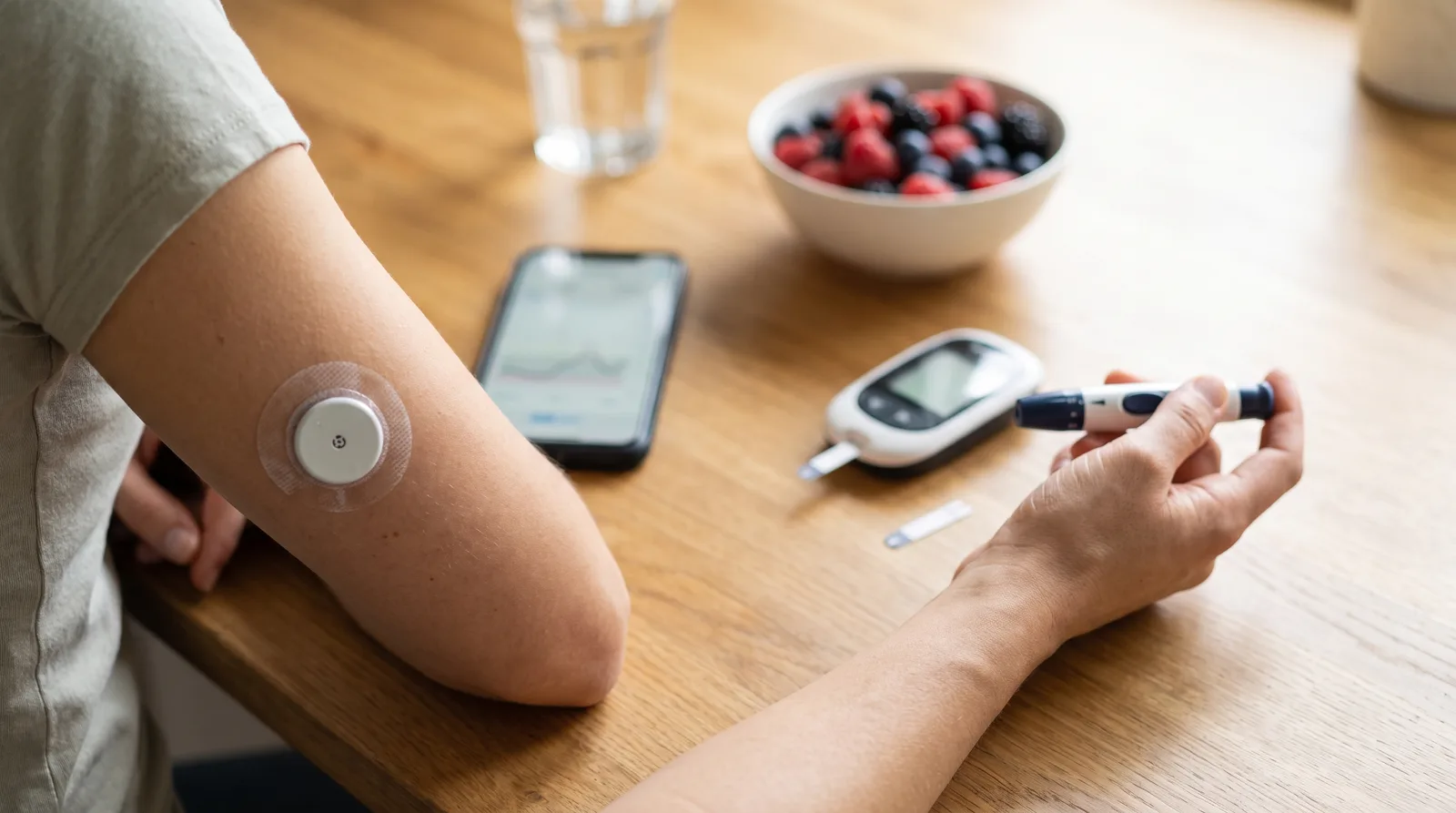
Continuous Glucose Monitor vs Fingerstick Testing Guide
Comparing a continuous glucose monitor vs fingerstick testing? See how accuracy, cost, and daily routine differ so you can choose the right approach.

Bioidentical Hormone Replacement Therapy: How It Works
Considering bioidentical hormone replacement therapy? Learn how BHRT works, who qualifies, and what to expect at Lyva in Avondale Estates.
Ready to Start Your Health Journey?
Schedule your appointment today and take the first step toward better health. New patients welcome. Most insurance accepted.

Primary Care • Men's Health • Weight Loss Clinic
Phone
+1 (404) 905-6666
Location
Avondale Estates, GA
Hours
Mon-Fri: 8AM - 6PM