Managing High Blood Pressure: A Georgia Patient's Guide
Managing high blood pressure starts with knowing your numbers. A Georgia guide to readings, home monitoring, lifestyle changes, and when to get help.
Alaa Hammond, MSN, APRN, FNP-C, MSN, APRN, FNP-C
August 16, 2026

Managing high blood pressure rarely starts with symptoms. It starts with a number on a cuff. About 48% of U.S. adults have high blood pressure, according to the CDC, and only about 25% of them have it under control. Most feel completely fine, which is why blood pressure is checked at every visit in primary and preventive care services at Lyva.
That gap is the whole problem. Blood pressure damages arteries, kidneys, and the heart quietly, over years, while you go about your day. The good news is that it responds well to steady, unglamorous work: a home cuff, a few habit changes, and regular check-ins with a provider who knows your history. At Lyva Primary Care & Wellness Center in Avondale Estates, hypertension is managed alongside cholesterol and blood sugar for patients across metro Atlanta.
Here's what your numbers mean, how to track them correctly at home, and when it's time to bring a provider in.
What does a high blood pressure reading actually mean?
A blood pressure reading has two numbers: systolic pressure when your heart beats, and diastolic pressure when it rests. Readings at or above 130/80 are considered high in adults. One elevated reading isn't a diagnosis, though. Providers look at a pattern across several days.
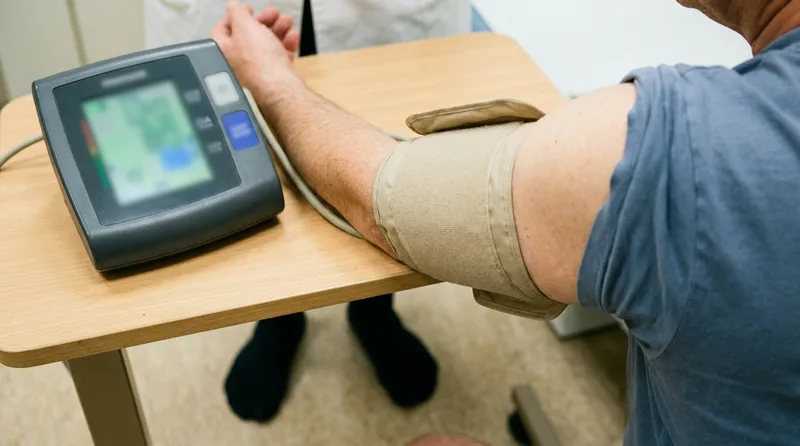
The top number tends to matter more after age 50, because arteries stiffen with time. Both numbers still count. Here's how readings are generally grouped, based on CDC guidance on high blood pressure.
| Category | Systolic (top) | Diastolic (bottom) |
|---|---|---|
| Normal | Under 120 | Under 80 |
| Elevated | 120-129 | Under 80 |
| Stage 1 | 130-139 | 80-89 |
| Stage 2 | 140 or higher | 90 or higher |
The American Heart Association uses the same thresholds, so a cuff bought at any pharmacy in Decatur or Avondale Estates will flag the same categories. What the cuff can't tell you is why the number is high. That part takes labs and a history.
A reading above 180/120 with chest pain, trouble breathing, or vision changes is an emergency. Call 911. Don't wait it out at home.
Why is high blood pressure so often missed?
Because it usually causes no symptoms at all. The CDC notes that high blood pressure, high cholesterol, and diabetes are frequently found only through routine screening. People assume they'd feel a headache or dizziness. Most don't feel anything, which is why the condition is often called silent.
There's a second reason: readings drift up slowly. A number that was 118 in your thirties can sit at 138 in your forties without a single day that felt different. And 6 in 10 U.S. adults live with a chronic disease, per CDC data, so hypertension often shows up alongside prediabetes or high cholesterol rather than by itself.
The stakes are the reason it matters. Heart disease causes about 20% of all U.S. deaths, roughly 1 in 5, per CDC mortality data, and elevated pressure is one of its most treatable contributors. That's the case for screening even when you feel well. An annual visit catches the drift early, when habit changes still do most of the work.
Not sure what your numbers are?
Lyva offers same-day appointments in Avondale Estates and telehealth visits across Georgia.
Book Appointment →How should you check your blood pressure at home?
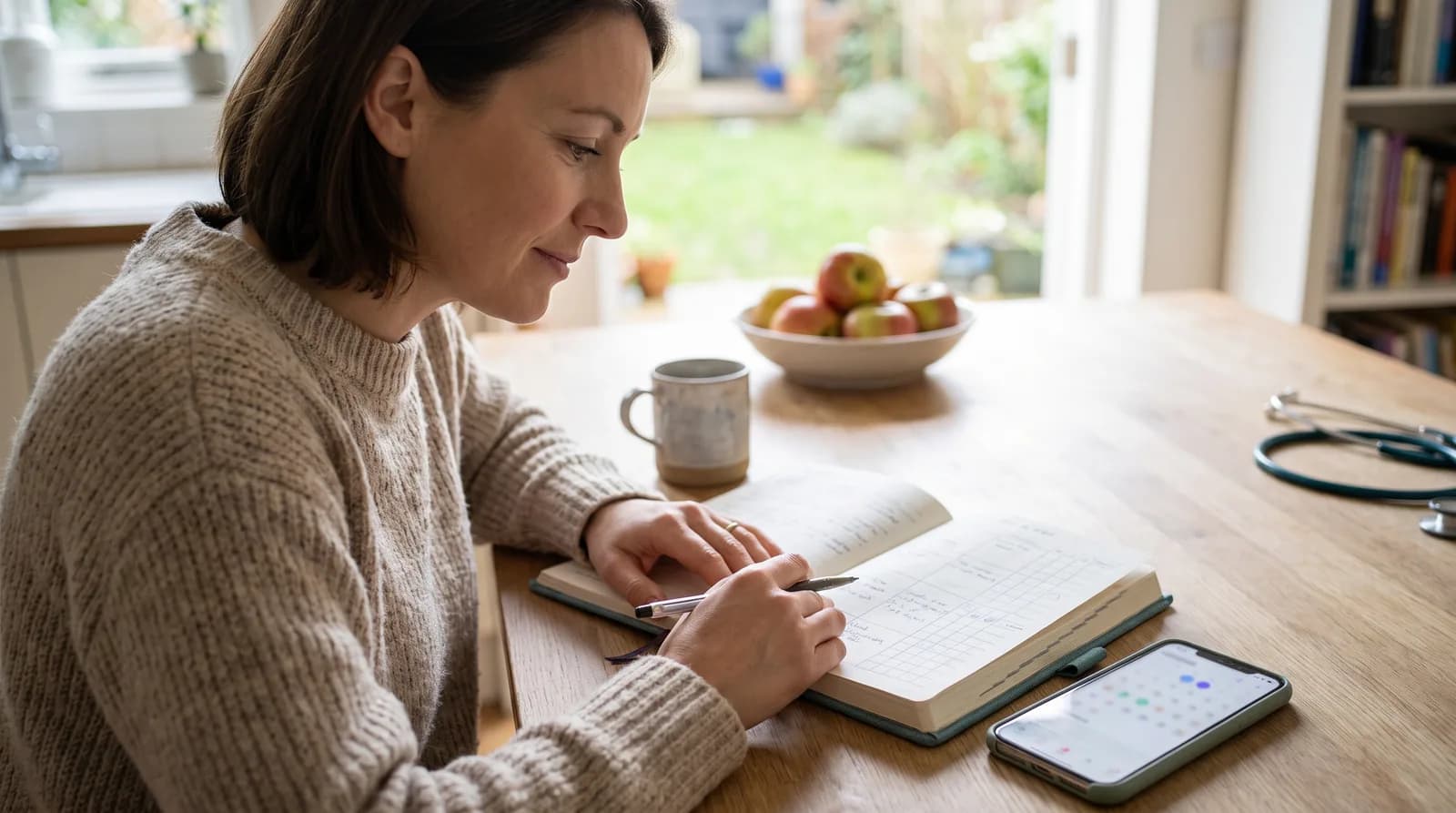
Use an upper-arm cuff, sit still for five minutes first, and take two readings a minute apart. Home numbers are often more useful than clinic ones, because they show your everyday pattern instead of a single stressed moment in a waiting room.
Technique changes the result more than people expect. A crossed leg or a full bladder can shift a reading by several points. Follow these steps each time:
- Skip caffeine, exercise, and nicotine for 30 minutes beforehand.
- Sit with your back supported and both feet flat on the floor.
- Rest your arm on a table so the cuff sits at heart level.
- Put the cuff on bare skin, not over a sleeve.
- Stay quiet during the reading. No talking, no scrolling.
- Record both numbers, plus the date and time.
How often should you log readings?
Twice a day for a week gives a provider far more to work with than one reading a month. Morning before medication and evening before dinner is a simple rhythm. Bring the log, or the cuff itself, to your visit.
Which lifestyle changes lower blood pressure the most?
Sodium reduction, regular movement, and weight change tend to move the number most. The NIH reports that losing just 5-10% of body weight can improve blood pressure, blood sugar, and cholesterol together. No single habit does all the work, and stacking two or three usually beats perfecting one.

Where to focus first:
- Sodium. Most of it comes from packaged and restaurant food, not the shaker. Reading labels on bread, sauces, and deli meat gets you further than cooking without salt.
- Eating pattern. The NHLBI DASH eating plan was designed specifically to lower blood pressure.
- Movement. Roughly 30 minutes most days. Brisk walking counts.
- Alcohol. Cutting back helps, and the effect shows up within weeks.
- Sleep. Untreated sleep apnea keeps pressure elevated overnight.
Give changes 4-8 weeks before judging them. Blood pressure responds, but not overnight. The CDC reports that about 60% of U.S. adults live with at least one chronic disease, so these habits usually pay off in more than one number.
Related: Blood pressure and blood sugar often need managing at the same time. Read the metro Atlanta A1C guide →
Does managing high blood pressure always mean medication?
No. Medication is generally added when readings stay high after a fair trial of lifestyle changes, or when the starting numbers and overall cardiovascular risk are high enough that waiting isn't wise. It's a shared decision, based on your pattern of readings, your labs, and any other conditions you have.
Medication isn't a verdict on your effort. Blood pressure has a strong genetic component, and plenty of people who eat well and exercise still need it. Several drug classes exist, and providers often start with one, then adjust based on how you respond and what side effects show up.
Common classes include thiazide diuretics, ACE inhibitors, ARBs, and calcium channel blockers. Which one fits depends on your age, kidney function, and whether you also have diabetes or heart disease. The National Institutes of Health notes that pressure control usually improves other markers at the same time.
Lifestyle work continues either way. It frequently means fewer medications or lower doses over time, which is a real result worth counting.
What does ongoing care look like at Lyva?
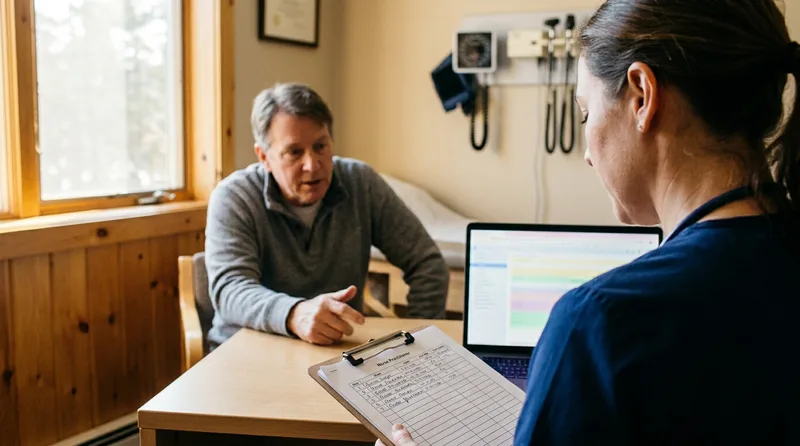
Expect a recheck every few weeks while things are being adjusted, then every three to six months once readings are stable. Visits usually include a review of your home log, a blood pressure check, and periodic labs covering kidney function, cholesterol, and blood sugar.
Georgia patients can handle much of this without driving. Lyva provides telehealth statewide, which works well for log reviews, refills, and check-ins between in-person visits. New symptoms, a physical exam, or lab draws still call for a visit to the Avondale Estates office. The CDC notes telehealth can improve access to care, particularly for follow-up visits.
For patients in DeKalb County, that mix usually means one office visit and several short virtual check-ins per year. Alaa Hammond, FNP-C, reviews home logs alongside labs so adjustments happen on evidence rather than a single clinic reading.
Ongoing chronic disease management also catches the conditions that travel with hypertension, so nothing gets treated in isolation.
Bring your home readings to a provider
A week of logged numbers gives your visit a real starting point.
Request an Appointment →What should you do first?
Buy a validated upper-arm cuff and log two readings a day for one week. That single step turns managing high blood pressure from a guess into a pattern you and your provider can act on. It costs less than most people expect and takes about four minutes a day.
Then book a visit. Bring the log. Whether the answer is habit changes, medication, or both, the plan gets better when it's built on your actual numbers instead of one reading taken on a rushed Tuesday morning.
This article is for general educational purposes only and is not a substitute for professional medical advice, diagnosis, or treatment. Always consult your provider at Lyva with any questions about a medical condition or treatment.
Build a plan around your actual numbers
Lyva Primary Care & Wellness Center offers same-day appointments in Avondale Estates and telehealth across Georgia.
Book Appointment →Questions about insurance or self-pay pricing?
Contact Us →Alaa Hammond, MSN, APRN, FNP-C
MSN, APRN, FNP-C · Lyva Primary Care & Wellness Center
Avondale Estates, GA family nurse practitioner providing whole-person primary and preventive care — including chronic disease management, men's health, and medical weight loss — in person and via telehealth across Georgia.
Frequently Asked Questions
Was this article helpful?
You may also like
Primary Care vs ER for Minor Injuries in Avondale Estates
Primary care vs ER for minor injuries: learn which cuts, sprains, and small fractures suit a same-day clinic visit and which need the ER.
Irregular Periods Causes: Hormone Levels and When to Worry
Learn the top irregular periods causes, what hormone levels like FSH and TSH reveal, and when to see a provider. Lyva serves Avondale Estates, GA.

Cholesterol Numbers Explained: LDL, HDL, and Triglycerides
Cholesterol numbers explained: what LDL, HDL, and triglycerides mean on your lipid panel, why total cholesterol misses the full picture, and next steps.
Ready to Start Your Health Journey?
Schedule your appointment today and take the first step toward better health. New patients welcome. Most insurance accepted.

Primary Care • Men's Health • Weight Loss Clinic
Phone
+1 (404) 905-6666
Location
Avondale Estates, GA
Hours
Mon-Fri: 8AM - 6PM