
Seasonal Allergies in Atlanta: Why Georgia Is So Bad
Seasonal allergies in Atlanta hit harder due to Georgia's long pollen season. See why symptoms are worse here and what actually helps.
Alaa Hammond, MSN, APRN, FNP-C, MSN, APRN, FNP-C
September 6, 2026
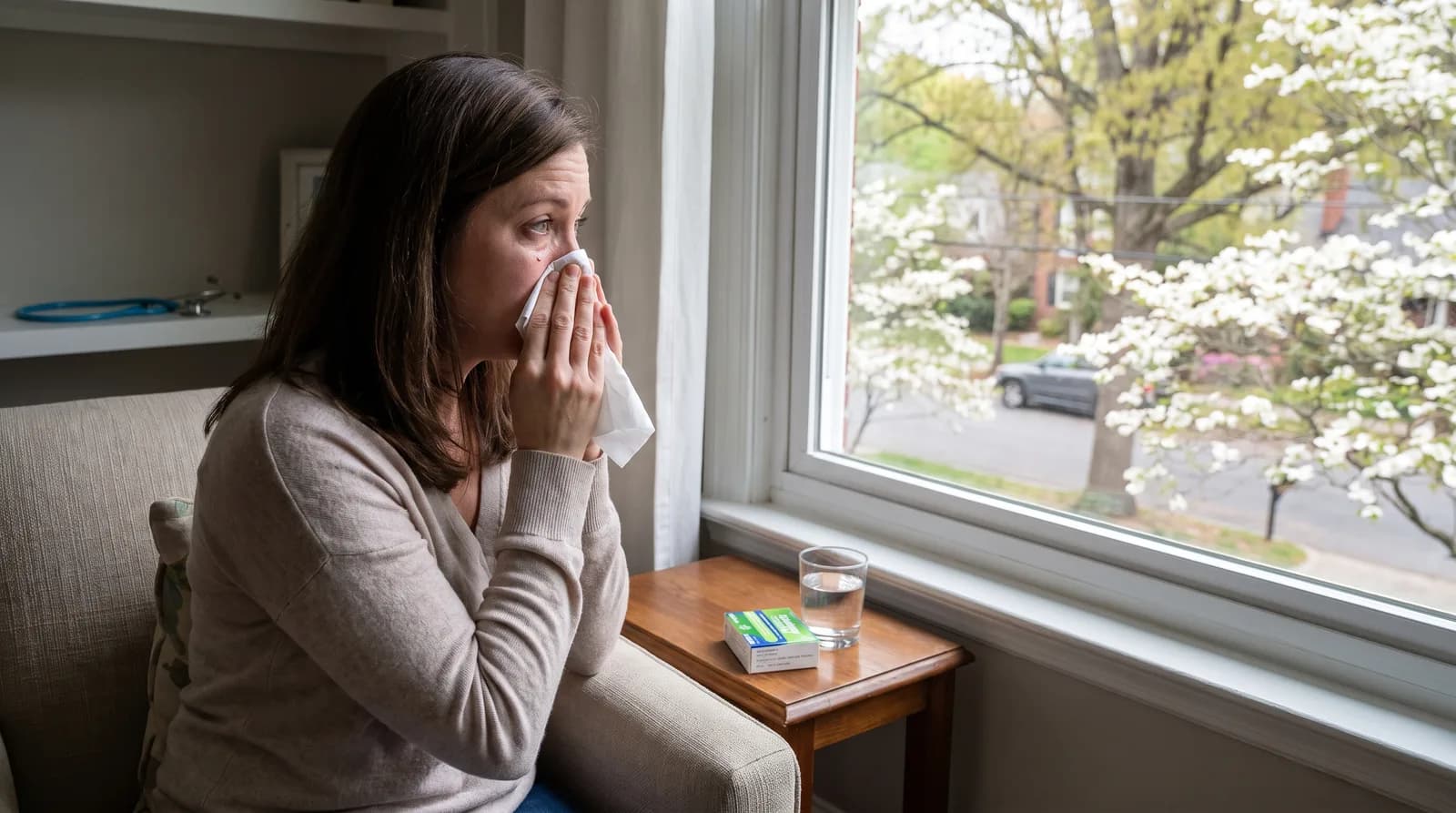
Seasonal allergies in Atlanta hit differently than they do almost anywhere else in the country. If you moved here from somewhere with a short, mild pollen season, the yellow-green dust coating every car in March probably came as a shock. This guide covers why Georgia's allergy season runs so long, what actually helps, and how our wellness services support patients who deal with this every year.
Tree pollen here can start weeks before it does farther north, and the season barely lets up before grass and ragweed take over. Here is what is actually going on, and what you can do about it.
Allergies making it hard to function this season?
A Lyva provider can help you find relief that actually works for your symptoms.
Book an Appointment →Seasonal Allergies in Atlanta: Why Is Georgia So Bad?
Seasonal allergies hit Atlanta hard because tree pollen season starts early and overlaps with grass and ragweed season for months at a time. Metro Atlanta's tree canopy is one of the densest of any major U.S. city, and that canopy is the main source of the problem.
Oak, pine, and hickory trees release enormous volumes of pollen every spring, often starting in late February during a warm winter. Atlanta sits in the Piedmont region, where rolling hills can trap air masses instead of letting coastal winds clear pollen away. That combination means pollen lingers over the metro area rather than dispersing quickly. Nationally, about 26% of adults and 19% of children experience seasonal allergies each year, according to the CDC. Georgia's long, overlapping pollen seasons push many local cases higher than that average.
Warming winters have made the picture worse nationally, not just locally. According to a CDC report, more frost-free days each year are extending pollen seasons across the country, and the Southeast has felt this shift more than most regions.
What Causes Atlanta's Pollen Levels to Be So High?
Atlanta's pollen levels stay high because three separate pollen seasons overlap here instead of following one another with breaks in between. Tree pollen typically runs from late February through June, grass pollen picks up in late spring, and ragweed takes over by late summer.
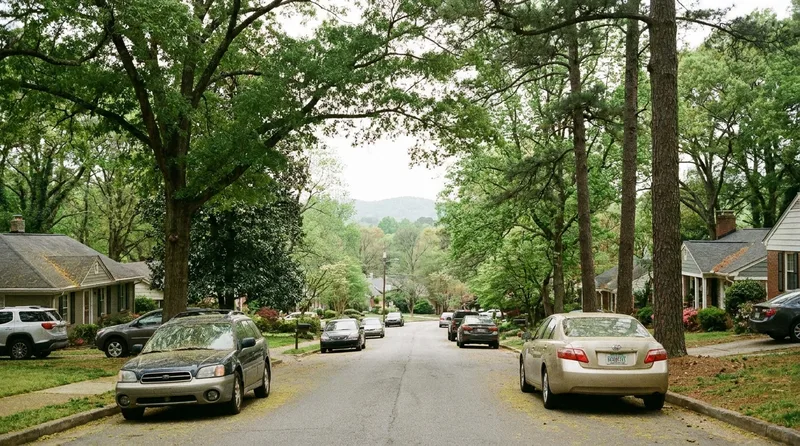
Local pollen counts are tracked daily by Atlanta Allergy & Asthma, the only National Allergy Bureau certified counting station in Georgia. Their tracker has recorded daily counts over 500 grains per cubic meter, a level considered extremely high. Counts above that are not unusual during peak weeks in March and April. Checking the daily number takes just a moment. It can guide simple choices like whether to open windows.
Knowing which pollen type is spiking on a given week can help you plan outdoor activities and time your medication before symptoms build up. Many patients find that starting antihistamines a week or two before their usual trigger date works better. It gives the medication time to build up before pollen counts spike.
What Are the Most Common Seasonal Allergy Symptoms?
Seasonal allergy symptoms usually include a runny or stuffy nose, sneezing, and itchy, watery eyes. Unlike a cold, these symptoms show up without a fever and tend to follow the same pattern every year around the same time.
According to Mayo Clinic, common symptoms include:
- Runny nose and nasal congestion
- Watery, itchy, red eyes
- Sneezing and an itchy throat
- Postnasal drip
- Fatigue, often from poor sleep
A cold usually clears up within a week or two. Seasonal allergies stick around for as long as you are exposed to the trigger pollen. In Atlanta, that can mean months rather than days. If symptoms show up around the same time every year without a fever, allergies are the more likely explanation. That is especially true if they ease up once you spend more time indoors. Keeping a simple log of when symptoms start each year can help you and your provider spot the pattern.
What Actually Helps With Seasonal Allergies?
Over-the-counter antihistamines and nasal corticosteroid sprays help most people manage seasonal allergy symptoms. Starting these before pollen counts peak works better than waiting until symptoms are severe. The Cleveland Clinic notes that saline rinses can also help clear pollen from nasal passages between doses, which many patients find useful on especially high pollen days.
| Approach | Helps With |
|---|---|
| Oral antihistamines | Sneezing, itching, runny nose |
| Nasal corticosteroid sprays | Congestion, daily prevention |
| Saline rinses | Clearing pollen from nasal passages |
Consistency matters more than which specific product you choose. Skipping doses on lower pollen days and restarting once symptoms flare tends to give weaker results than staying on a regular schedule through the season. If one antihistamine stops working as well after a few weeks, switching to a different active ingredient sometimes helps more than increasing the dose.
Over-the-counter options not cutting it anymore?
A Lyva provider can review what you have tried and recommend next steps.
Request an Appointment →When Should You See a Provider for Allergies?
See a provider when over-the-counter medication no longer controls your symptoms, or when allergies start interfering with sleep, work, or school for weeks at a time. Persistent congestion can also lead to sinus infections that need separate treatment.
A visit to primary care is a reasonable first step for most adults. Your provider can rule out a sinus infection, review your medications, and discuss prescription options if over-the-counter treatment has stopped working. Some patients benefit from a referral to an allergy specialist for testing. This is especially true if symptoms last most of the year instead of following a clear seasonal pattern.
Waiting until symptoms are severe before seeking care usually means more days feeling miserable than necessary. Recurring sinus pressure, facial pain, or thick discolored mucus are signs worth mentioning at your visit, since those can point to an infection rather than allergies alone. Bringing a list of what you have already tried helps your provider figure out the next step more quickly.
How Can You Reduce Pollen Exposure at Home?
You can reduce pollen exposure by keeping windows closed during peak season, changing clothes after being outside, and checking daily pollen counts before planning outdoor activities. Small habits add up over a multi-month pollen season.
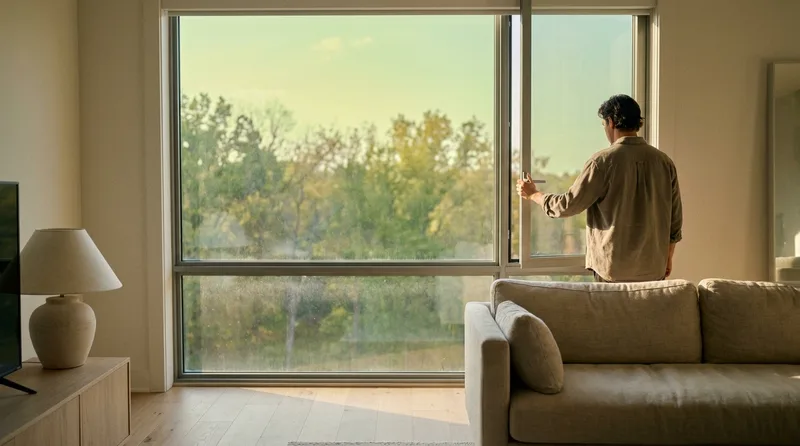
Practical steps that make a real difference include:
- Check the daily pollen count before deciding whether to exercise outdoors
- Keep windows closed and run air conditioning with a clean filter during peak weeks
- Shower and change clothes after spending time outside
- Wash bedding regularly to remove pollen that settles indoors
- Avoid mowing the lawn or being outside during the highest pollen hours, typically mid-morning
None of these steps eliminate exposure entirely, but combined with medication, they reduce how much pollen you are dealing with on any given day. Pollen counts also tend to be lowest in the early morning after rain. That window can work better for outdoor exercise than a dry, windy afternoon. Small timing changes like this add up over a long pollen season.
Seasonal allergies in Atlanta are not something you have to just push through every spring and fall. Georgia's pollen season runs long, and local counts can climb high. Most people do better with a proactive plan than with reacting once symptoms are already bad.
This article is for general educational purposes only and is not a substitute for professional medical advice, diagnosis, or treatment. Always consult your provider at Lyva with any questions about a medical condition or treatment.
Ready to Get Ahead of Allergy Season?
Schedule a visit with a Lyva provider to build a plan that actually works for your symptoms.
Book Appointment →Want to learn more about Lyva first?
About Lyva →Alaa Hammond, MSN, APRN, FNP-C
MSN, APRN, FNP-C · Lyva Primary Care & Wellness Center
Avondale Estates, GA family nurse practitioner providing whole-person primary and preventive care — including chronic disease management, men's health, and medical weight loss — in person and via telehealth across Georgia.
Frequently Asked Questions
Was this article helpful?
You may also like

Heart Health Nutrition Counseling: What to Eat and Why
Heart health nutrition counseling in Avondale Estates helps you choose foods that support your heart. Learn what to eat and how Lyva can help.
Primary Care vs ER for Minor Injuries in Avondale Estates
Primary care vs ER for minor injuries: learn which cuts, sprains, and small fractures suit a same-day clinic visit and which need the ER.

Irregular Periods Causes: Hormone Levels and When to Worry
Learn the top irregular periods causes, what hormone levels like FSH and TSH reveal, and when to see a provider. Lyva serves Avondale Estates, GA.
Ready to Start Your Health Journey?
Schedule your appointment today and take the first step toward better health. New patients welcome. Most insurance accepted.

Primary Care • Men's Health • Weight Loss Clinic
Phone
+1 (404) 905-6666
Location
Avondale Estates, GA
Hours
Mon-Fri: 8AM - 6PM