
Irregular Periods Causes: Hormone Levels and When to Worry
Learn the top irregular periods causes, what hormone levels like FSH and TSH reveal, and when to see a provider. Lyva serves Avondale Estates, GA.
Alaa Hammond, MSN, APRN, FNP-C, MSN, APRN, FNP-C
October 13, 2026

Knowing the most common irregular periods causes helps you tell a one-off blip from a pattern worth checking. A late month after a stressful quarter is normal. Three skipped months in a row isn't.
Your cycle runs on a hand-off between the brain, ovaries, and thyroid. When one link slips, timing shifts. At Lyva Primary Care & Wellness Center in Avondale Estates, our women's hormone care starts by finding which link slipped, using your cycle history, your symptoms, and the right lab work.
Below, you'll see what counts as irregular, which causes are most common, what hormone levels reveal, and when to call. Patients near Decatur and across Georgia can start with telehealth.
Cycle changes you can't explain?
Lyva offers same-day appointments in Avondale Estates and telehealth visits across Georgia, so you don't have to wait for answers.
Book Appointment →What Counts as an Irregular Period?
An irregular period is a cycle that falls outside the usual 21 to 35 day range, changes widely from month to month, or brings unusually heavy, light, or missing bleeding. MedlinePlus describes a typical cycle as about 28 days, with a normal span of roughly 21 to 35.

Count from the first day of bleeding to the first day of your next period. That number is your cycle length. Most adults land between 21 and 35 days, and bleeding usually lasts 2 to 7 days. Teens in their first few years of cycling and people in perimenopause often run outside those ranges without any disease behind it.
What to track for three months
- Cycle length: first day of one period to the first day of the next.
- Bleeding days: how many, and whether they stay near the 2 to 7 day range.
- Flow: pads or tampons used, clots larger than a quarter, and any spotting between periods.
- Other symptoms: acne, new hair growth, hot flashes, headaches, or breast discharge.
- Triggers: new medicines, illness, travel, hard training, or major stress.
What Are the Most Common Irregular Periods Causes?
The most common irregular periods causes are polycystic ovary syndrome (PCOS), thyroid disorders, perimenopause, chronic stress, big changes in weight or exercise, high prolactin, and hormonal medications. Less often, ovarian insufficiency or uterine growths are behind it. Several can overlap, so patterns and labs beat guesswork.
Hormone-driven causes
PCOS leads the list. MedlinePlus explains that it involves irregular ovulation and higher-than-usual androgen hormones, so periods can arrive rarely or unpredictably. Insulin resistance often travels with it, and the CDC reports that more than 1 in 3 U.S. adults has prediabetes, and most don't know they have it.
Thyroid disease matters too. An underactive thyroid can make periods heavier or farther apart, while an overactive one can make them lighter or less frequent. High prolactin, the hormone behind milk production, can switch off ovulation. Pregnancy, breastfeeding, some medicines, and small noncancerous pituitary growths can all raise it.
Then there's primary ovarian insufficiency. The ovaries stop working normally before age 40, according to the NICHD, and periods become irregular or stop.
Lifestyle and life-stage causes
- Stress: stress hormones can quiet the brain signals that trigger ovulation, so a cycle may run late or skip.
- Weight and fueling: rapid weight loss, low calorie intake, and heavy training can pause periods. Higher body weight can also disrupt ovulation, and the CDC reports that about 40% of U.S. adults live with obesity.
- Medications: starting, switching, or stopping hormonal birth control commonly shifts bleeding. Some psychiatric medicines can too.
- Perimenopause: cycles often start varying in your 40s as estrogen and progesterone swing.
- Structural causes: fibroids and polyps change bleeding patterns more than they change timing.
Related: Cycles that start shifting in your 40s often point to perimenopause. Perimenopause Symptoms: What's Normal and When to Test →
What Do Hormone Levels Reveal About Your Cycle?
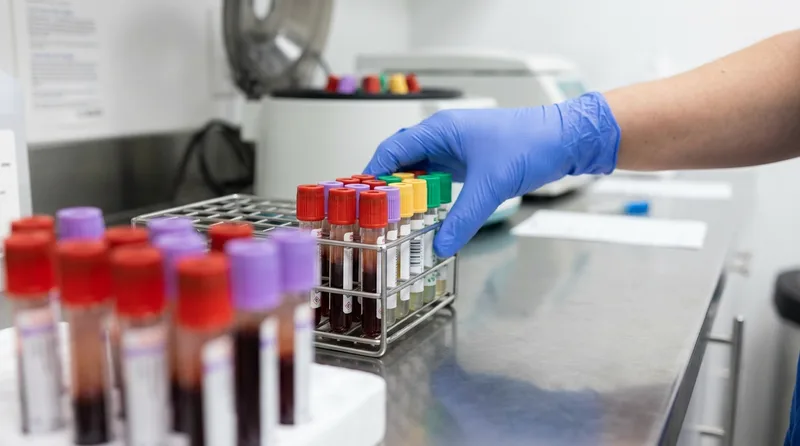
Hormone levels show whether your brain, ovaries, and thyroid are sending and answering signals on schedule. FSH, LH, estradiol, progesterone, TSH, prolactin, and testosterone each narrow the list of irregular periods causes, but timing matters because levels rise and fall within a single cycle.
| Hormone | What it does | What an unusual result may suggest |
|---|---|---|
| FSH | Prompts the ovaries to mature an egg | Persistently high levels can point to declining ovarian function, as in perimenopause. Low levels with missed periods may signal a brain-to-ovary problem. |
| LH | Triggers ovulation | Can run higher in PCOS, though the pattern across the cycle matters. |
| Estradiol | Main estrogen; builds the uterine lining | Low levels can fit reduced ovarian output. Wide swings are common in perimenopause. |
| Progesterone | Rises after ovulation and steadies the cycle | A low level a week before your expected period suggests ovulation didn't happen. |
| TSH | Signals the thyroid gland | High can fit an underactive thyroid, low an overactive one. Both can shift cycles. |
| Prolactin | Supports milk production | High levels can interrupt ovulation. |
| Testosterone and DHEA-S | Androgens made by the ovaries and adrenal glands | Higher levels can fit PCOS or other androgen excess. |
Why timing changes the answer
Providers often draw FSH and estradiol early in a cycle, around days 2 to 5, and progesterone about seven days before the next expected period. If your cycles are unpredictable, your provider may choose draw dates differently.
One number rarely settles it. A single high FSH reading doesn't prove menopause is near, because levels swing during perimenopause. Results make sense only next to your symptoms, exam, and cycle log.
Related: A full women's hormone panel checks more markers than most people expect. Hormone Testing for Women: What a Panel Actually Checks →
When Should You Worry About Irregular Periods?
Yes, certain patterns deserve a prompt visit: no period for three months, bleeding longer than seven days, cycles shorter than 21 or longer than 35 days, or bleeding after sex or after menopause. Soaking a pad or tampon every hour for several hours needs urgent care.
Book a visit soon if you notice
- No period for three months in a row, once pregnancy is ruled out.
- Cycles that stay under 21 or over 35 days for several months.
- Heavy flow with clots larger than a quarter.
- Spotting between periods or bleeding after sex.
- New acne, excess hair growth, milky nipple discharge, or headaches with vision changes.
- Hot flashes or night sweats before age 40.
Get urgent care if
Bleeding that soaks a pad or tampon every hour for several hours, or bleeding with dizziness, fainting, fever, or severe pain, needs same-day care. Any bleeding after menopause also warrants a prompt visit.
Wondering what a visit costs?
Lyva accepts most major insurance and offers transparent self-pay pricing, so you'll know the cost before you book.
See Insurance and Pricing →How Do Providers Find the Cause of Irregular Periods?
Providers start with your history, a pregnancy test, and a physical exam, then add targeted blood work and sometimes a pelvic ultrasound. The goal is matching your cycle pattern to a cause rather than ordering every test at once.

- Cycle history. Bring your logged dates, flow details, medicines, and recent life changes.
- Pregnancy test. It's the first step whenever a period is late and pregnancy is possible.
- Exam and vitals. Blood pressure, weight trends, skin and hair changes, and a thyroid check offer early clues.
- Blood work. Typical orders include thyroid tests, prolactin, a hormone panel, and blood sugar or A1C.
- Imaging or referral. A pelvic ultrasound or gynecology referral follows if bleeding or exam findings suggest a structural issue.
Lyva patients can often complete a first visit by telehealth from anywhere in Georgia, then be seen in person at the Avondale Estates clinic when an exam is needed. Same-day appointments are frequently available.
How Are Irregular Periods Treated?
Treatment depends on the cause, so it starts with a diagnosis rather than a prescription. Options range from sleep, nutrition, and stress changes to thyroid care, hormone therapy, or a gynecology referral, and your provider will walk through the benefits and risks of each.
Lifestyle and underlying conditions
When excess weight, insulin resistance, or heavy training is part of the picture, small shifts can matter. The NIH reports that losing 5-10% of body weight can improve blood pressure, blood sugar, and cholesterol, which is why providers often begin there. Thyroid disorders, high prolactin, and diabetes are treated directly, and periods often settle as those conditions come under control.
Hormone-based options
Some patients use hormonal contraception or progesterone therapy to regulate cycles or protect the uterine lining. During perimenopause, individualized hormone therapy may ease symptoms. Every option carries benefits and risks, none is right for everyone, and each requires a provider consultation first.
What Should You Do Next?
Start logging your cycle dates today, then book a visit if your pattern stays irregular for three months or any warning sign above applies. A provider can read your log alongside hormone levels to pinpoint the cause.
A record is the most useful thing you can bring, because irregular periods causes are far easier to separate when dates, symptoms, and labs line up. Lyva sees patients in Avondale Estates, near Decatur, across DeKalb County, and by telehealth statewide.
This article is for general educational purposes only and is not a substitute for professional medical advice, diagnosis, or treatment. Always consult your provider at Lyva with any questions about a medical condition or treatment.
Get answers about your cycle
Book a visit with Lyva Primary Care & Wellness Center in Avondale Estates or by telehealth anywhere in Georgia. Call (404) 905-6666 with questions.
Book Appointment →Prefer to talk first? Reach the Lyva team at (404) 905-6666.
Contact Us →Alaa Hammond, MSN, APRN, FNP-C
MSN, APRN, FNP-C · Lyva Primary Care & Wellness Center
Avondale Estates, GA family nurse practitioner providing whole-person primary and preventive care — including chronic disease management, men's health, and medical weight loss — in person and via telehealth across Georgia.
Frequently Asked Questions
Was this article helpful?
You may also like

Cholesterol Numbers Explained: LDL, HDL, and Triglycerides
Cholesterol numbers explained: what LDL, HDL, and triglycerides mean on your lipid panel, why total cholesterol misses the full picture, and next steps.

Perimenopause vs Menopause: Key Differences and Treatment
Perimenopause vs menopause explained: how symptoms, hormones, and treatment options differ, and when to see a nurse practitioner in Avondale Estates, GA.

Heart Health Check Up in Avondale Estates: What You Get
Book a heart health check up in Avondale Estates, GA. See what's included, how often to go, what it costs, and how to book at Lyva.
Ready to Start Your Health Journey?
Schedule your appointment today and take the first step toward better health. New patients welcome. Most insurance accepted.

Primary Care • Men's Health • Weight Loss Clinic
Phone
+1 (404) 905-6666
Location
Avondale Estates, GA
Hours
Mon-Fri: 8AM - 6PM