
How to Reverse Prediabetes: Signs, Steps, and Support
Learn how to reverse prediabetes with diet, activity, and weight steps backed by evidence, plus support from Lyva in Avondale Estates, GA.
Alaa Hammond, MSN, APRN, FNP-C, MSN, APRN, FNP-C
July 22, 2026
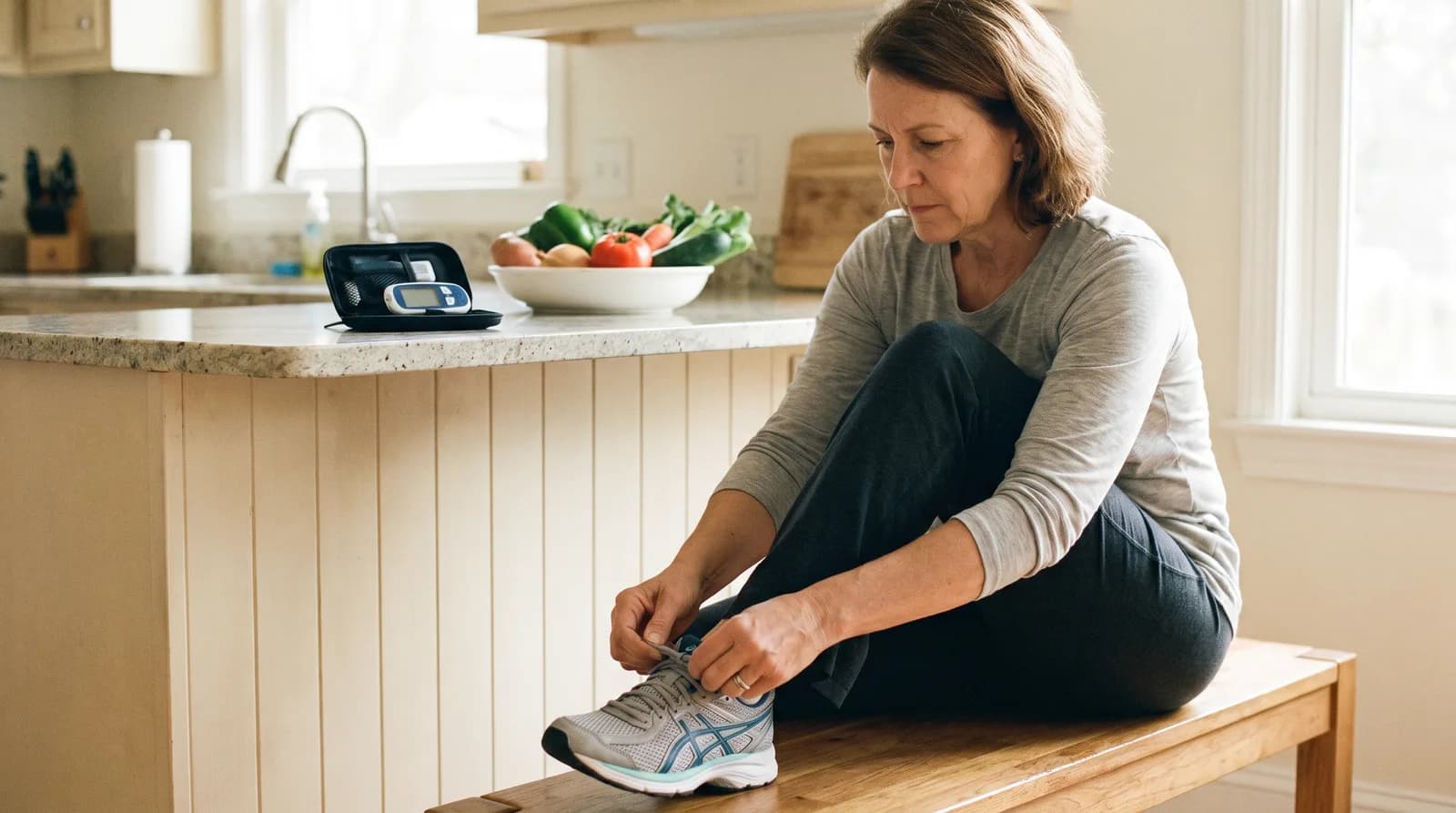
How to reverse prediabetes starts with a fact most patients never hear at their annual physical: this diagnosis is a warning, not a life sentence. More than 1 in 3 U.S. adults has prediabetes, and most don't even know it, according to the CDC. That's the quiet part. Blood sugar creeps up for years before anyone feels a single symptom.
At Lyva Primary Care & Wellness Center in Avondale Estates, we see this pattern often. Routine bloodwork flags an elevated A1C, and the patient is stunned. Nothing hurts. Nothing feels different.
This guide covers the signs, the exact diagnostic numbers, and the specific diet, activity, and weight changes that give your body a real shot at bringing blood sugar back into a normal range.
How to Reverse Prediabetes: Is It Really Possible?
Prediabetes means your blood sugar runs higher than normal but not high enough for a type 2 diabetes diagnosis. Yes, it's often reversible. With consistent changes to diet, movement, and weight, many people bring blood sugar back into a normal range within months, not years.
Here's what's happening under the hood: your cells are becoming resistant to insulin, the hormone that moves sugar out of your bloodstream and into tissue for energy. Your pancreas compensates by pumping out more insulin, and for a while, that works. Blood sugar stays borderline instead of high. But that compensation has a shelf life. Left alone, prediabetes often progresses to type 2 diabetes within five years. Caught early and addressed directly, the opposite is just as true. The body's insulin sensitivity responds fast to the right inputs, often faster than people expect.
The window matters more than the diagnosis itself. A same-day visit to review your labs and build a plan beats waiting for the next annual physical. Lyva's primary care and wellness services are built around exactly this kind of early, whole-person intervention, not just a repeat prescription six months later.
Worried About Your Blood Sugar Numbers?
A same-day visit at Lyva can review your labs, explain what your A1C actually means, and build a personalized plan to bring it down.
Book Appointment →What Are the Signs and Symptoms of Prediabetes?
Most people with prediabetes have no symptoms at all. That's the honest answer, and it's why routine screening catches it, not how you feel day to day. High blood pressure, high cholesterol, and elevated blood sugar often show no warning signs and are found only through bloodwork, per the CDC.

A handful of people do notice subtle changes: increased thirst, more frequent urination, fatigue that doesn't match their sleep, or patches of darkened skin at the neck or armpits (a sign called acanthosis nigricans). These are more common once blood sugar climbs closer to the diabetes threshold, per the CDC's prediabetes overview. But waiting for symptoms is a losing strategy. By the time they show up, the condition has usually been active for years.
Risk factors matter more than symptoms for deciding when to get screened. Consider yourself at higher risk if any of these apply:
- You're over 35, or over 45 with no other risk factors
- You carry excess weight, especially around the waist
- A parent or sibling has type 2 diabetes
- You had gestational diabetes during pregnancy
- You have high blood pressure or abnormal cholesterol
- You're not regularly physically active
Any two or more of these, and a screening conversation with your provider is worth having now, not at your next scheduled physical.
How Is Prediabetes Diagnosed?
Prediabetes is diagnosed through a simple blood test, most often the A1C, which measures your average blood sugar over roughly three months. An A1C between 5.7% and 6.4% signals prediabetes; 6.5% or higher signals type 2 diabetes. No fasting or special prep is required for this one.
Two other tests get used, depending on your situation. The fasting plasma glucose test checks blood sugar after an overnight fast, with 100 to 125 mg/dL indicating prediabetes. The oral glucose tolerance test measures blood sugar before and two hours after a sugary drink, useful when results are borderline or when pregnancy changes the picture. Your provider picks the test, or combination, that fits your history.
| Test | Normal | Prediabetes |
|---|---|---|
| A1C | Below 5.7% | 5.7% to 6.4% |
| Fasting glucose | Below 100 mg/dL | 100 to 125 mg/dL |
| Oral glucose tolerance | Below 140 mg/dL | 140 to 199 mg/dL |
One test result rarely tells the whole story on its own. If your numbers land in the prediabetes range, your provider will usually recommend a repeat test and a look at your broader risk profile before finalizing next steps. Most providers also recheck labs every three to six months once a plan is in place, since that's roughly how long it takes diet and activity changes to show up in an A1C result. Waiting a full year to retest, which is common with an annual physical alone, means losing months of feedback on whether your plan is actually working.
How Does Diet Help Reverse Prediabetes?
Diet is the single most direct lever for reversing prediabetes. Cutting refined carbohydrates and sugary drinks while increasing fiber improves how efficiently your cells respond to insulin, often within weeks of consistent change. Small, specific swaps beat vague resolutions to "eat healthier."
Fiber slows sugar absorption into the bloodstream, which is exactly what a resistant system needs: fewer spikes, fewer demands on an already overworked pancreas. Whole grains, beans, vegetables, and fruit all deliver it. Protein at each meal helps too, blunting the blood sugar rise that comes from carbohydrates eaten alone. None of this requires a restrictive diet. It requires a different default plate.
A few changes make an outsized difference for most patients:
- Swap white bread, white rice, and sugary cereal for whole-grain versions
- Replace sodas and sweetened coffee drinks with water, unsweetened tea, or sparkling water
- Add a source of protein and fiber to breakfast instead of starting the day with refined carbs alone
- Build half the plate from non-starchy vegetables at lunch and dinner
- Watch portion size on starchy sides like rice and pasta, rather than eliminating them entirely
Our healthy eating habits guide breaks these swaps down meal by meal if you want a more detailed starting point.
How Does Physical Activity Lower Blood Sugar?
Movement lowers blood sugar directly. Yes, even a single walk helps: exercising muscle pulls glucose out of the bloodstream for fuel, independent of insulin, which is exactly the shortcut a resistant system needs most.
The effect compounds over time. Regular activity improves how sensitive your cells are to insulin generally, not just during the workout itself. That sensitivity can last 24 to 48 hours after a single session, and it builds further with consistency. You don't need marathon training. A brisk 30-minute walk five days a week, roughly 150 minutes total, is the benchmark most primary care providers recommend, and it's realistic for most schedules.
If 30 minutes feels like a lot right now, split it. Three 10-minute walks after meals do real work, particularly right after eating, when blood sugar is climbing and muscle activity intercepts it. Strength training two days a week adds another layer, since more muscle mass means more tissue available to absorb glucose. A mix works best in practice: brisk walking or cycling most days, two short strength sessions using bodyweight or light dumbbells, and one rest day built in on purpose. Start wherever you actually are. Consistency beats intensity here, every time.
Can Losing Weight Reverse Prediabetes?
Losing even a modest amount of weight can reverse prediabetes for many people. Losing just 5 to 10% of body weight can improve blood pressure, blood sugar, and cholesterol together, according to the National Institutes of Health. For a 200-pound adult, that's 10 to 20 pounds, not a dramatic transformation.

Weight around the abdomen matters more than total weight for insulin resistance specifically. Visceral fat, the kind that sits around internal organs, releases compounds that interfere with insulin signaling. That's why two people at similar weights can have very different blood sugar responses. Losing weight through diet and activity changes reduces this fat first in many people, which is part of why modest weight loss produces outsized blood sugar improvements.
Not everyone needs medication to get there. Some do, and for patients with excess weight who haven't reached their goals through lifestyle changes alone, provider-supervised medical weight loss support, including GLP-1 medications where appropriate, can help close that gap. This is always a conversation with your provider, never a one-size-fits-all prescription.
When Should You See a Provider About Prediabetes?
See a provider now if you have any combination of risk factors above, even without symptoms. Waiting for symptoms means waiting past the point where reversal is easiest, since prediabetes is silent by nature and progresses quietly in the background.
Having a usual source of primary care is associated with better health outcomes and more consistent preventive screening, according to AHRQ research. That relationship matters more for a condition like prediabetes than for an acute illness, because the plan isn't a single prescription. It's a series of check-ins: repeat labs in three to six months, adjustments to your plan based on what's working, and support when motivation dips (it always dips at some point).
Bring these three things to your first conversation about prediabetes:
- Your most recent bloodwork, even if it wasn't flagged as abnormal
- A honest picture of your current eating and activity patterns
- Any family history of type 2 diabetes or heart disease
Not Sure If Your Numbers Are a Concern?
Bring your labs to Lyva and we'll walk through exactly what they mean and what to do next.
Request an Appointment →How Does Lyva Support Prediabetes Care in Georgia?
Lyva Primary Care & Wellness Center supports prediabetes reversal through whole-person, provider-led care built around your actual numbers and lifestyle, not a generic printout. Alaa Hammond, FNP-C, works with patients in Avondale Estates and, via telehealth, across the state of Georgia.

That means lab review, a personalized nutrition and activity plan, and follow-up visits that adjust as your numbers change, whether you're managing prediabetes alone or alongside related conditions like elevated blood pressure or cholesterol. Same-day appointments are frequently available for patients who'd rather not wait weeks after a concerning lab result. Patients travel in from Decatur, Stone Mountain, Tucker, and across DeKalb County, and telehealth visits reach patients statewide who'd rather not drive at all. Self-pay pricing is transparent and upfront, and most major insurance is accepted as well.
Related: Already managing blood sugar day to day? Our guide on managing diabetes through lifestyle changes covers the habits that keep numbers steady long term. Read the guide →
For patients managing prediabetes alongside excess weight, Lyva's chronic care program connects nutrition, activity, and lab monitoring under one plan instead of three separate appointments.
Learning how to reverse prediabetes comes down to one core truth: this is a window, not a verdict. The changes that move the needle, cutting refined carbs, walking most days, and losing even a modest amount of weight, work faster than most people expect once they actually start.
The hardest part usually isn't the plan. It's getting an honest read on your numbers in the first place. That's where a same-day visit and a provider who treats the whole picture, not just one lab value, makes the difference between guessing and actually reversing course.
This article is for general educational purposes only and is not a substitute for professional medical advice, diagnosis, or treatment. Always consult your provider at Lyva with any questions about a medical condition or treatment.
Ready to Get Your Numbers Checked?
Book a same-day visit at Lyva Primary Care & Wellness Center and get a personalized plan to bring your blood sugar back into range.
Book Appointment →Prefer to talk it through first?
Contact Us →Alaa Hammond, MSN, APRN, FNP-C
MSN, APRN, FNP-C · Lyva Primary Care & Wellness Center
Avondale Estates, GA family nurse practitioner providing whole-person primary and preventive care — including chronic disease management, men's health, and medical weight loss — in person and via telehealth across Georgia.
Frequently Asked Questions
Was this article helpful?
You may also like

Heart Health Nutrition Counseling: What to Eat and Why
Heart health nutrition counseling in Avondale Estates helps you choose foods that support your heart. Learn what to eat and how Lyva can help.
Primary Care vs ER for Minor Injuries in Avondale Estates
Primary care vs ER for minor injuries: learn which cuts, sprains, and small fractures suit a same-day clinic visit and which need the ER.

Irregular Periods Causes: Hormone Levels and When to Worry
Learn the top irregular periods causes, what hormone levels like FSH and TSH reveal, and when to see a provider. Lyva serves Avondale Estates, GA.
Ready to Start Your Health Journey?
Schedule your appointment today and take the first step toward better health. New patients welcome. Most insurance accepted.

Primary Care • Men's Health • Weight Loss Clinic
Phone
+1 (404) 905-6666
Location
Avondale Estates, GA
Hours
Mon-Fri: 8AM - 6PM