
Early Signs of Kidney Disease: What Most People Miss
Early signs of kidney disease are easy to miss because symptoms often come late. Learn who's at risk, how testing works, and when to book at Lyva.
Alaa Hammond, MSN, APRN, FNP-C, MSN, APRN, FNP-C
September 29, 2026

Most early signs of kidney disease are easy to blame on something else. Puffy eyes look like a bad night's sleep. Tiredness looks like a busy week. That's the problem.
Your kidneys filter waste and extra fluid out of your blood every day. When they're damaged, it usually happens slowly, over years, and it rarely hurts. This guide covers the quiet changes worth noticing, who is more likely to be affected, and how simple tests can find trouble early. Lyva Primary Care & Wellness Center in Avondale Estates offers primary and chronic care services for adults across metro Atlanta.
Noticed a change you can't explain?
Book a visit with our nurse practitioner for a simple kidney check.
Book Appointment →What Are the Early Signs of Kidney Disease?
Early kidney disease usually has no noticeable symptoms, so the earliest signs are often missed or never appear. When changes do show up, they tend to be foamy urine, puffiness, ongoing tiredness, or more nighttime bathroom trips. Testing, not symptoms, is how most cases are found.

As kidney damage progresses, some people notice these changes:
- Foamy or bubbly urine that doesn't clear up
- Swelling in your face, hands, feet, or ankles
- Feeling tired or weak for no clear reason
- Waking up more than usual to use the bathroom
- Dry, itchy skin
- Muscle cramps, especially at night
This table shows why these changes get overlooked, and what else can cause them.
| What you notice | Why kidneys may be involved | Other common causes |
|---|---|---|
| Foamy or bubbly urine | Extra protein leaking through damaged filters | A fast urine stream, dehydration |
| Puffy eyes, hands, or ankles | Extra fluid your kidneys can't clear | Salty meals, long days on your feet, allergies |
| Ongoing tiredness | Waste building up in your blood | Poor sleep, stress, low iron |
| Waking often to urinate | Kidneys losing some ability to hold water | Evening drinks, an enlarged prostate, high blood sugar |
| Itchy, dry skin | Waste your kidneys aren't clearing | Dry weather, skin conditions |
| Muscle cramps | Shifts in the body's salts and minerals | Hard exercise, dehydration |
The Cleveland Clinic notes that most people have no symptoms in the early stages, and that changes like these tend to appear as the disease worsens. One sign alone rarely means much. A few together, lasting for weeks, deserve attention.
None of these signs prove anything on their own. Each has plenty of harmless explanations, and that's what makes them tricky. But when two or three show up together and last, a simple test beats guessing.
Why Does Early Kidney Disease Cause So Few Symptoms?
Healthy kidneys have a large reserve, so the parts that still work take on extra load for the damaged parts. You can feel completely normal after losing a real share of kidney function. Symptoms usually appear only once the damage is well along.
Think of a team where one member quietly leaves and everyone else covers. The work still gets done, until it can't. Your kidneys behave the same way.
Picture a 55-year-old with high blood pressure who feels fine. Her yearly lab work is the first hint that anything has changed. That's common. MedlinePlus notes that kidney disease often develops slowly and may cause no symptoms until it's advanced.
According to the CDC, high blood pressure, high cholesterol, and diabetes often have no symptoms and are found through routine screening. Kidney damage follows that pattern. So waiting for symptoms isn't a plan. Testing is.
Who Is Most at Risk for Kidney Disease?
People with diabetes or high blood pressure face the highest risk, since both slowly damage the tiny filters inside the kidneys. A family history of kidney problems, heart disease, and older age add to that risk. Having one factor doesn't mean you'll develop kidney disease.
The numbers are large. The CDC reports that nearly half of U.S. adults, about 48%, have high blood pressure. It also estimates that about 40 million Americans have diabetes, and about 1 in 4 of them don't know it. Type 2 diabetes makes up 90-95% of diagnosed cases, so it drives much of that risk.
Weight matters too. About 40% of U.S. adults live with obesity, according to the CDC, which puts extra strain on blood pressure and blood sugar.
If either applies to you, ask about kidney checks at your next visit. Lyva's chronic care services cover conditions like diabetes and high blood pressure, and kidney health is part of that conversation.
Have diabetes or high blood pressure?
Ask us about a kidney check at your next visit. Same-day appointments and Georgia telehealth are available.
Request an Appointment →How Is Early Kidney Disease Found?
Two simple tests find most early kidney problems: a blood test that shows how well your kidneys filter, and a urine test that checks for protein leaking out. Your provider will usually check your blood pressure too. None of it takes long.

The National Institute of Diabetes and Digestive and Kidney Diseases describes these as the standard ways to check kidney health. Protein in your urine can show up long before you feel anything. MedlinePlus explains that the blood test estimates how well your kidneys clean your blood. Your blood result usually comes as a number that estimates how much filtering your kidneys still do, and your provider explains what yours means for you.
Ask about testing at your next yearly checkup, especially if you have diabetes, high blood pressure, or a relative with kidney disease. A same-day visit or a telehealth appointment can be a good first step.
Related: Already diagnosed, or wondering what comes after testing? Our guide covers lab schedules and everyday steps. How to Monitor Chronic Kidney Disease →
When Should You See a Provider About Kidney Symptoms?
See a provider if a change like foamy urine, swelling, or lasting tiredness continues for more than a couple of weeks. Get care right away for blood in your urine, sudden swelling, or a sharp drop in how much you urinate. Don't wait for a routine visit.
Book a visit soon if you notice
- Foamy urine that keeps coming back
- Puffiness that doesn't go away by morning
- Tiredness that lasts more than a couple of weeks
Get care right away if you notice
- Blood in your urine
- Swelling that appears suddenly
- Much less urine than usual
Small changes are easy to talk yourself out of. A short visit can rule things out. Bring a quick note of what you've seen, when it started, and any medicines you take.
Not sure which group you're in? Call Lyva at (404) 905-6666. We see patients in Avondale Estates, Decatur, and across DeKalb County, and offer telehealth statewide in Georgia.
What Can You Do to Protect Your Kidneys Now?
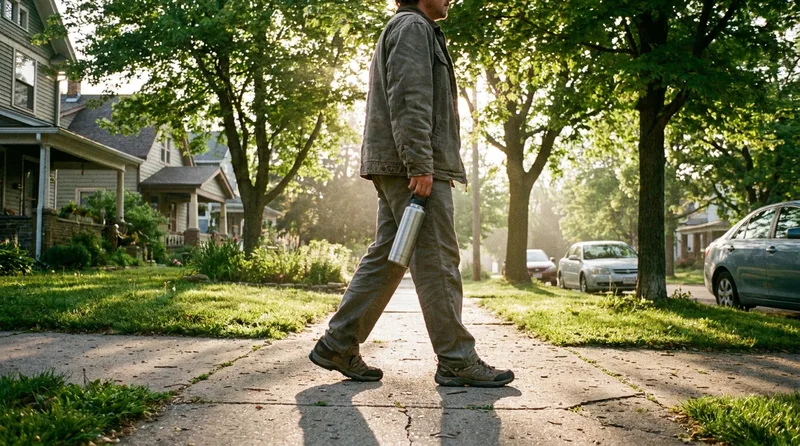
Keeping your blood pressure and blood sugar in a healthy range is one of the most effective ways to protect your kidneys. Small daily habits help too, like staying active, skipping tobacco, and drinking water regularly. Your provider can tell you which steps fit your health.
- Know your numbers. Ask what your blood pressure and blood sugar are.
- Take medicines as prescribed. Skipped doses let blood pressure creep up.
- Go easy on over-the-counter pain relievers. Regular use of some, like ibuprofen, can strain kidneys. Check with your provider first.
- Move most days. Walking counts, and the NIH notes that losing just 5-10% of body weight can improve blood pressure, blood sugar, and cholesterol.
- Stay tobacco-free. Smoking harms blood vessels, including the ones in your kidneys.
- Drink water regularly. Staying hydrated supports your kidneys, so sip throughout the day. Ask your provider how much is right for you.
- Get tested. Kidney trouble starts quietly, which is why testing matters more than waiting for symptoms. If you have diabetes, high blood pressure, or kidney disease in your family, a simple blood and urine check can settle the question.
If you're worried about the early signs of kidney disease, or you just want to know where you stand, Lyva Primary Care & Wellness Center in Avondale Estates is here to help. Our nurse practitioner, Alaa Hammond, FNP-C, sees adults in Avondale Estates, Decatur, and across metro Atlanta, with same-day visits and telehealth across Georgia. We accept most major insurance and offer transparent self-pay pricing, so getting checked doesn't have to be complicated.
This article is for general educational purposes only and is not a substitute for professional medical advice, diagnosis, or treatment. Always consult your provider at Lyva with any questions about a medical condition or treatment.
Ready to check on your kidneys?
Our nurse practitioner can review your risk and order the right tests. Same-day visits and telehealth are available.
Book Appointment →Prefer to talk first? Call (404) 905-6666.
Call Lyva →Alaa Hammond, MSN, APRN, FNP-C
MSN, APRN, FNP-C · Lyva Primary Care & Wellness Center
Avondale Estates, GA family nurse practitioner providing whole-person primary and preventive care — including chronic disease management, men's health, and medical weight loss — in person and via telehealth across Georgia.
Frequently Asked Questions
Was this article helpful?
You may also like
Continuous Glucose Monitor vs Fingerstick Testing Guide
Comparing a continuous glucose monitor vs fingerstick testing? See how accuracy, cost, and daily routine differ so you can choose the right approach.

Bioidentical Hormone Replacement Therapy: How It Works
Considering bioidentical hormone replacement therapy? Learn how BHRT works, who qualifies, and what to expect at Lyva in Avondale Estates.
Diabetes Screening Test: Who Needs One and How Often
Wondering if you need a diabetes screening test? Learn who's at risk, how often to test, and what your results mean at Lyva in Avondale Estates.
Ready to Start Your Health Journey?
Schedule your appointment today and take the first step toward better health. New patients welcome. Most insurance accepted.

Primary Care • Men's Health • Weight Loss Clinic
Phone
+1 (404) 905-6666
Location
Avondale Estates, GA
Hours
Mon-Fri: 8AM - 6PM