
TRT and Fertility: What Every Man Should Know First
TRT and fertility can conflict. See how testosterone therapy affects sperm production, if it's reversible, and what to ask before starting treatment.
Alaa Hammond, MSN, APRN, FNP-C, MSN, APRN, FNP-C
August 20, 2026

TRT and fertility often collide sooner than most men expect. Testosterone replacement therapy can quietly shut down natural sperm production, sometimes within weeks. If you are weighing TRT and still hope to have children, that timing matters. A men's health provider can check your hormone levels and fertility goals together, before you start anything.
Low testosterone becomes more common with age and with conditions like obesity and type 2 diabetes. Those same conditions are widespread. About 2 in 5 U.S. adults, close to 40%, live with obesity, according to the CDC, so this conversation comes up more than you'd guess. Here is what happens to fertility on TRT, why it happens, and what to ask first.
Does TRT Affect a Man's Fertility?
Yes, testosterone replacement therapy can reduce or stop natural sperm production in most men within a few months of starting. External testosterone tells the brain your levels are already high, so it scales back the signals that drive sperm production inside the testes.

That drop happens even while your blood testosterone numbers look great. It's a strange paradox: the treatment fixes the number on the lab report while quietly working against a different goal. Men often start TRT purely for energy, mood, or libido and don't realize fertility is part of the same system. According to the Urology Care Foundation, low testosterone becomes more common with age and with conditions such as obesity and diabetes, which is exactly the population most likely to ask about TRT in the first place. More than 40 million Americans live with diabetes, according to the CDC, and diabetes is one of the most common drivers of low testosterone to begin with.
If having children in the next few years is even a possibility, say so at your first visit. This single sentence changes the entire treatment plan.
Not sure if TRT fits your health goals?
A provider at Lyva can review your labs, symptoms, and family plans before recommending anything.
Book an Appointment →How Do TRT and Fertility Interact in the Body?
TRT and fertility interact because your brain and testes normally work as a team, and testosterone therapy interrupts that teamwork. Once your brain senses plenty of testosterone coming from an outside source, it stops sending the signals your testes need to keep making sperm.
Two hormones, LH and FSH, normally carry that signal from your brain to your testes, telling them to produce testosterone and sperm together. TRT supplies testosterone from an outside source, so your brain assumes the job is already done. LH and FSH drop, the testes shrink slightly, and sperm production slows or stops. This isn't a random side effect. It's a predictable response built into how your body's hormone signals are wired, and it happens no matter which form of TRT you use.
- Injectable testosterone, gels, and pellets all trigger this same drop, just at different speeds
- Sperm counts can fall to zero in a meaningful share of men on long-term TRT
- The effect is separate from testosterone's other benefits and happens even at "normal" replacement doses
Is Fertility Loss From TRT Reversible?
For most men, yes, sperm production usually recovers within several months to a year after stopping TRT. Recovery isn't certain for everyone, though, and it tends to take longer the longer someone stayed on therapy.

Age, how long you were on TRT, and your baseline fertility before starting all play a role in how fast (or whether) things bounce back. A 25 year old who used TRT for six months usually recovers faster than a 45 year old who used it for five years. That's not a sure thing in either direction. Some men need additional treatment to restart sperm production after stopping, rather than simply waiting it out.
If pregnancy is a near-term goal, don't assume you can just pause TRT and conceive on your usual timeline. Build in months, not weeks, for recovery.
Weighing TRT against future fertility?
Talk it through with a men's health provider before you start, not after.
Explore Men's Health Care →What Are the Alternatives If You Want to Preserve Fertility?
Several treatments raise testosterone or relieve symptoms without shutting down the sperm-production pathway the way standard TRT does. These work by supporting your body's own hormone signals instead of replacing them from outside.
Options a provider may discuss include:
- Clomiphene citrate: a pill that encourages the pituitary to release more LH and FSH, raising natural testosterone without suppressing sperm production
- hCG therapy: mimics LH to keep the testes active and producing both testosterone and sperm
- Combination approaches: low-dose TRT paired with hCG or clomiphene, used in select cases to balance symptom relief with fertility
None of these fits every situation, and the right choice depends on your labs, symptoms, and timeline. Mayo Clinic notes that hormone imbalances are just one of several causes of male infertility, which is exactly why testing matters more than guessing. This is a conversation for your provider, not a do-it-yourself decision.
| Approach | Effect on Fertility | Best Considered When |
|---|---|---|
| Standard TRT | Usually suppresses sperm production | Family planning is complete or not a near-term goal |
| Clomiphene citrate | Generally preserves fertility | Conceiving in the next 1-2 years |
| hCG therapy | Generally preserves fertility | Actively trying to conceive now |
Should You Get Tested Before Starting TRT?
Yes, most providers recommend baseline fertility testing, including a semen analysis and full hormone panel, before starting TRT if children are even a possibility. Skipping this step means you won't know what "normal" looked like for you before treatment changed it.
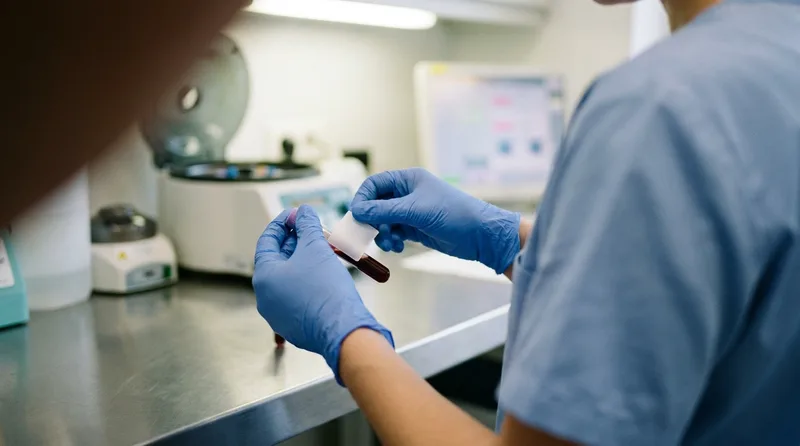
A baseline gives your provider something to compare against later, whether that's six months into TRT or a year after stopping it. It also opens the door to catching unrelated fertility issues early, while they're still easiest to address. That habit pays off broadly, too: about 90% of U.S. health care spending goes toward people with chronic and mental health conditions, according to the CDC, and catching problems early costs far less than treating them late.
- Get a baseline hormone panel, including testosterone, LH, and FSH
- Request a semen analysis if you want children now or within the next few years
- Share your family planning timeline honestly with your provider
- Ask directly about fertility-preserving alternatives before agreeing to standard TRT
You can start this process with testing for low testosterone at Lyva, then build a plan around both your symptoms and your family goals. Related reading: our guide on low testosterone symptoms and treatment covers the full picture beyond fertility alone.
TRT and fertility don't have to be an either-or decision, but they do have to be discussed together, before treatment starts rather than after. The single most useful thing you can do is name your family planning timeline out loud at your first appointment. From there, a provider can build a plan, whether that's standard TRT, a fertility-preserving alternative, or a combination, that fits both what your body needs now and what you want down the road.
This article is for general educational purposes only and is not a substitute for professional medical advice, diagnosis, or treatment. Always consult your provider at Lyva with any questions about a medical condition or treatment.
Ready to Talk Through TRT and Fertility?
Schedule a visit with a men's health provider in Avondale Estates or by telehealth across Georgia.
Book Appointment →Have questions before you book?
Contact Us →Alaa Hammond, MSN, APRN, FNP-C
MSN, APRN, FNP-C · Lyva Primary Care & Wellness Center
Avondale Estates, GA family nurse practitioner providing whole-person primary and preventive care — including chronic disease management, men's health, and medical weight loss — in person and via telehealth across Georgia.
Frequently Asked Questions
Was this article helpful?
You may also like
Primary Care vs ER for Minor Injuries in Avondale Estates
Primary care vs ER for minor injuries: learn which cuts, sprains, and small fractures suit a same-day clinic visit and which need the ER.

Irregular Periods Causes: Hormone Levels and When to Worry
Learn the top irregular periods causes, what hormone levels like FSH and TSH reveal, and when to see a provider. Lyva serves Avondale Estates, GA.

Cholesterol Numbers Explained: LDL, HDL, and Triglycerides
Cholesterol numbers explained: what LDL, HDL, and triglycerides mean on your lipid panel, why total cholesterol misses the full picture, and next steps.
Ready to Start Your Health Journey?
Schedule your appointment today and take the first step toward better health. New patients welcome. Most insurance accepted.

Primary Care • Men's Health • Weight Loss Clinic
Phone
+1 (404) 905-6666
Location
Avondale Estates, GA
Hours
Mon-Fri: 8AM - 6PM