
Health Screenings by Age: Your 30s, 40s & 50s Checklist
Health screenings by age change over time. See exactly what to get checked in your 30s, 40s, and 50s from Lyva's Georgia primary care team.
Alaa Hammond, MSN, APRN, FNP-C, MSN, APRN, FNP-C
August 19, 2026

Your body's checkup needs change with every decade. A test that made sense at 30 may not be enough at 50, and waiting until something feels wrong can mean missing a problem while it's still easy to treat. This guide breaks down health screenings by age, based on general adult screening guidelines, so you know exactly what to ask for in your 30s, 40s, and 50s. If it has been a while since your last primary care visit, this is a good place to start.
Not sure where to start?
A primary care visit at Lyva can map out exactly which screenings fit your age, health history, and risk factors.
Book an Appointment →What Health Screenings Should You Get in Your 30s?
In your 30s, focus on baseline numbers: blood pressure, cholesterol, and blood sugar. These checks catch silent risk factors early, since conditions like high blood pressure often cause no symptoms at all.
Think of your 30s as the decade you set your baseline. Your provider records where your numbers sit now, so any change later stands out clearly instead of getting lost in guesswork. This is also a good time to talk through your family health history, since it shapes how often you'll need certain checks going forward.
- Blood pressure check at every visit.
- Cholesterol panel every 4-6 years, sooner with risk factors.
- Blood sugar screening if you have risk factors like excess weight or a family history of diabetes.
- Skin check for new or changing moles.
- Mental health check-in for stress, mood, or sleep changes.
- Women: cervical cancer screening and a clinical breast exam.
- Men: general wellness exam and a conversation about family health history.
What Health Screenings Should You Get in Your 40s?
Your 40s add more frequent heart and metabolic checks. This is often when blood pressure and blood sugar start drifting, so yearly monitoring matters, and it's a good decade to ask your provider about early cancer-screening timelines.

Metabolism naturally shifts in your 40s, and small changes in weight or energy can point to bigger patterns worth watching. Catching a rising blood sugar or blood pressure trend now, while it's mild, gives you far more options than waiting until it becomes a diagnosis.
- Blood pressure and cholesterol checked at least yearly.
- Diabetes screening every 1-3 years, especially with excess weight.
- Mammograms, typically starting between ages 40 and 45 for women.
- Vision and hearing checks.
- Thyroid screening if you have symptoms like fatigue or weight changes.
More than 1 in 10 Americans has diabetes, and about 1 in 4 of them don't know it, according to the CDC. That gap is exactly why blood sugar screening earns a regular spot on your checklist once you're in your 40s, even if you feel completely fine.
Related: If you're due for your yearly checkup, this guide walks through exactly what it includes. Do You Need an Annual Physical Exam? →
Which Health Screenings by Age Matter Most in Your 50s?
Yes, your 50s bring the biggest jump in screening needs, mainly colorectal cancer screening and closer heart-health monitoring. Nearly half of U.S. adults have high blood pressure, according to the CDC, so this decade calls for consistent tracking.
Colorectal cancer screening is the headline addition in this decade, and it's one of the few screenings that can catch precancerous changes before they ever become cancer. Heart health also deserves closer attention now, since risk tends to climb steadily through your 50s even without obvious warning signs.
- Colorectal cancer screening starting at age 45-50, depending on risk.
- Bone density conversation, especially for women near menopause.
- Continued mammograms and cervical cancer screening as recommended.
- Prostate health conversation for men.
- More frequent cholesterol, blood sugar, and blood pressure checks.
The U.S. Preventive Services Task Force recommends colorectal cancer screening starting between ages 45 and 50 for most adults, which is why this decade is when the checklist grows the most.
Screenings work best with a provider who knows your history.
Lyva's team builds your screening schedule around your real risk factors, not a generic checklist.
Request an Appointment →Which Screenings Apply at Every Age?
Some checks matter at every age, not just certain decades. Blood pressure, weight, and mental health screening belong in every visit because they can shift quickly and often have no obvious symptoms until a problem is advanced.
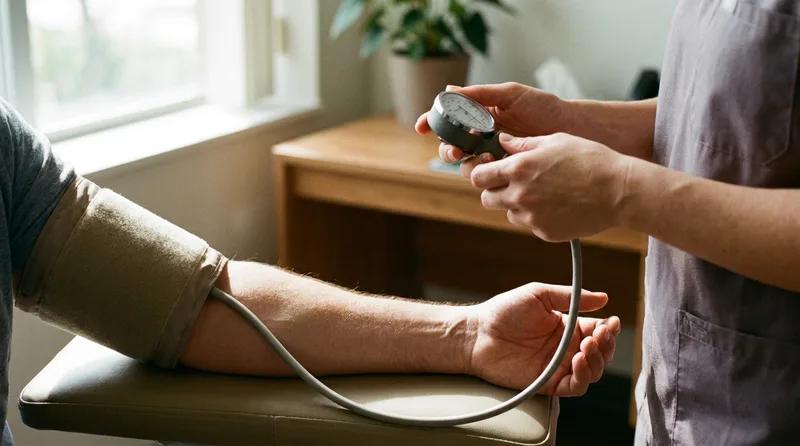
About 48% of U.S. adults have high blood pressure, according to the CDC, and only about 1 in 4 of them have it under control. That gap is exactly why blood pressure gets checked at every visit rather than once a decade. Mental health screening deserves the same consistency: more than 1 in 5 U.S. adults lives with a mental illness, per the CDC, and primary care is often where people first bring up anxiety or low mood. Weight checks matter for the same reason: losing just 5-10% of body weight can improve blood pressure, blood sugar, and cholesterol, according to the NIH.
| Screening | How Often | Why It Matters |
|---|---|---|
| Blood pressure | Every visit | Often has no symptoms until it causes damage |
| Weight and BMI | Every visit | Linked to heart, metabolic, and joint health |
| Mental health check-in | At least yearly | More than 1 in 5 U.S. adults lives with a mental illness |
| Immunizations | As recommended by age | Prevents illness before it starts |
How Often Should You Repeat These Screenings?
Most screenings follow a set schedule, but your personal risk factors can shorten the interval. A family history of diabetes or heart disease, for example, often means more frequent checks than the general guideline suggests.
Your provider adjusts frequency based on your prior results, family history, and lifestyle. That is why a one-size-fits-all printout rarely matches what you actually need, and why a conversation with your provider matters more than the calendar alone. More than 1 in 3 U.S. adults has prediabetes, according to the CDC, and most do not know it, which is a good example of why a repeat blood sugar check can matter even when you feel fine.
Working with one primary care team makes this easier to manage. Your provider already has your baseline numbers on file, so they can tell you exactly when a screening is due instead of leaving you to guess from a generic printout.
How Can You Keep Track of Your Screening Schedule?
The simplest way to stay on track is to let one provider manage your whole history. A primary care relationship means someone is watching your trends over time, not just reacting to a single visit. Having a usual source of primary care is linked to better health outcomes and more consistent preventive care, according to AHRQ.
- Schedule an annual wellness visit as your anchor appointment.
- Ask your provider to flag which screenings are due at each visit.
- Keep a simple written or digital list of your last screening dates.
- Report any new symptoms right away, rather than waiting until your next physical.
Lyva serves patients across the Atlanta area, including Decatur, Stone Mountain, and Tucker, with same-day visits and Georgia-wide telehealth for follow-ups.
Why Choose Lyva Primary Care & Wellness Center for Preventive Screenings?
Lyva Primary Care & Wellness Center is a nurse-practitioner-led practice in Avondale Estates, Georgia, built around whole-person primary care. Alaa Hammond, MSN, APRN, FNP-C, works with each patient to develop a screening plan based on their specific risk factors, not a generic printout.
The practice offers same-day appointments, accepts most major insurance, and provides telehealth visits across Georgia for convenient follow-ups. Patients in Decatur, Stone Mountain, Tucker, and the greater Atlanta area can get in-person or virtual care without long waits, all from a provider who already knows their history.
This article is for general educational purposes only and is not a substitute for professional medical advice, diagnosis, or treatment. Always consult your provider at Lyva with any questions about a medical condition or treatment.
Ready to build your screening plan?
Book a visit with Lyva Primary Care & Wellness Center in Avondale Estates, in person or by telehealth anywhere in Georgia.
Book Appointment →Prefer to talk it through first?
Call (404) 905-6666 →Alaa Hammond, MSN, APRN, FNP-C
MSN, APRN, FNP-C · Lyva Primary Care & Wellness Center
Avondale Estates, GA family nurse practitioner providing whole-person primary and preventive care — including chronic disease management, men's health, and medical weight loss — in person and via telehealth across Georgia.
Frequently Asked Questions
Was this article helpful?
You may also like
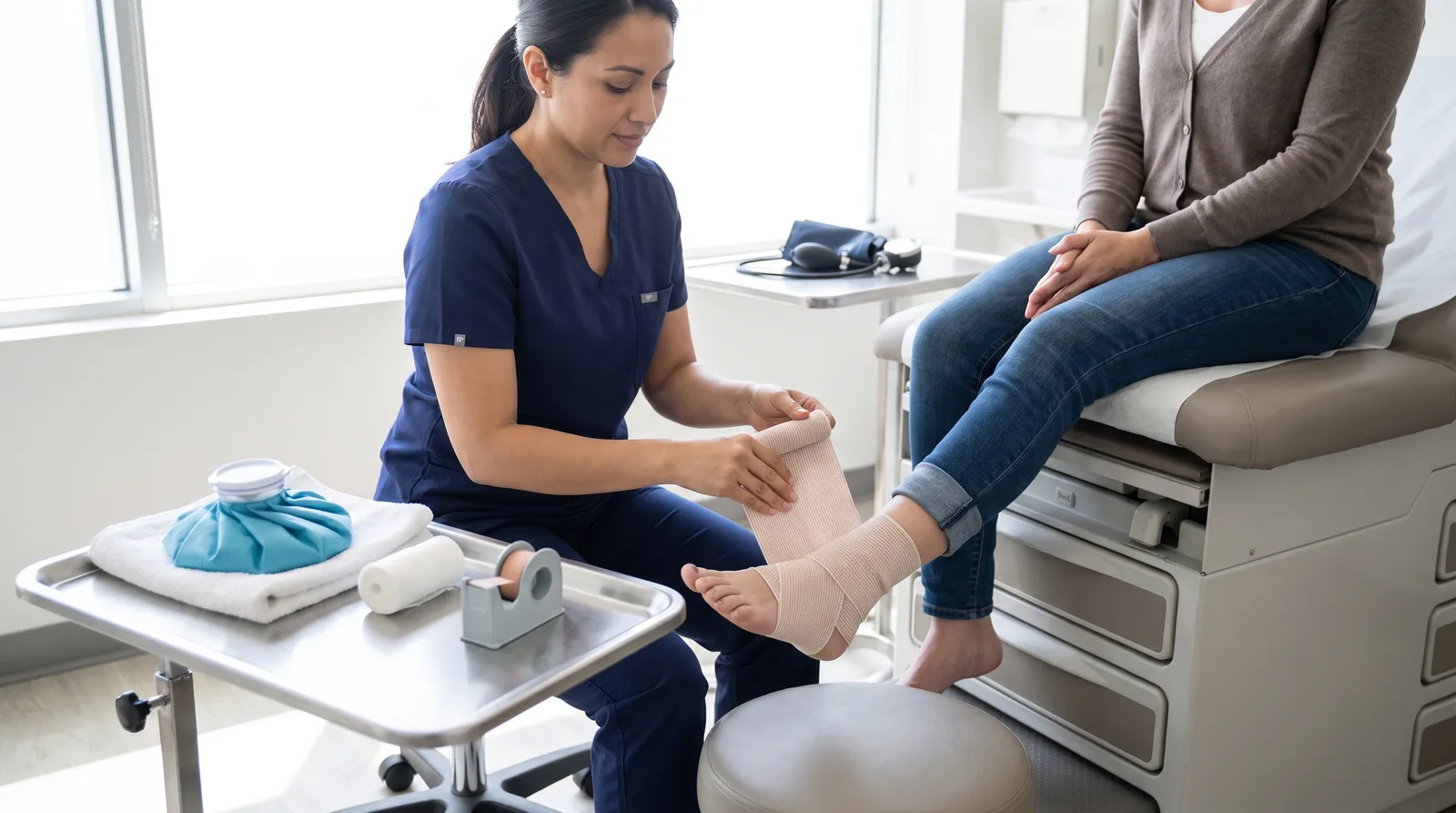
Primary Care vs ER for Minor Injuries in Avondale Estates
Primary care vs ER for minor injuries: learn which cuts, sprains, and small fractures suit a same-day clinic visit and which need the ER.

Irregular Periods Causes: Hormone Levels and When to Worry
Learn the top irregular periods causes, what hormone levels like FSH and TSH reveal, and when to see a provider. Lyva serves Avondale Estates, GA.

Cholesterol Numbers Explained: LDL, HDL, and Triglycerides
Cholesterol numbers explained: what LDL, HDL, and triglycerides mean on your lipid panel, why total cholesterol misses the full picture, and next steps.
Ready to Start Your Health Journey?
Schedule your appointment today and take the first step toward better health. New patients welcome. Most insurance accepted.

Primary Care • Men's Health • Weight Loss Clinic
Phone
+1 (404) 905-6666
Location
Avondale Estates, GA
Hours
Mon-Fri: 8AM - 6PM