
GLP-1 Side Effects: How to Manage Nausea and Stay on Track
GLP-1 side effects like nausea are common. Learn why it happens, what helps, and when to call your Lyva provider to stay on track.
Alaa Hammond, MSN, APRN, FNP-C, MSN, APRN, FNP-C
July 27, 2026
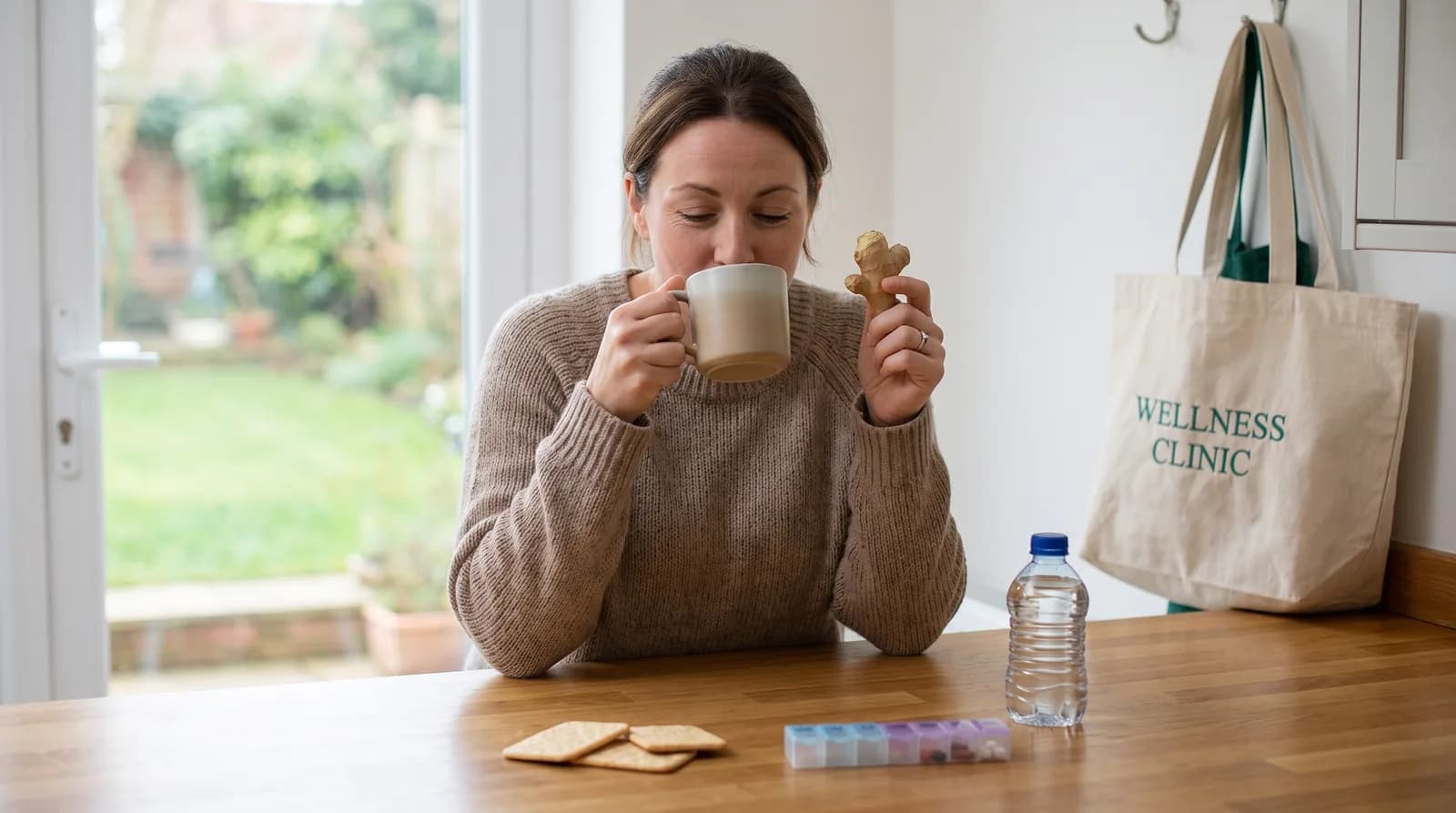
GLP-1 side effects, especially nausea, are the top reason patients think about stopping treatment. This often happens in the first few weeks. If you started semaglutide or a similar medicine through Lyva Primary Care & Wellness Center's medical weight loss program, some stomach upset is common. It is usually temporary. About 40% of U.S. adults carry excess weight, according to the CDC. GLP-1 medicines are one of the most effective tools we have. But they only help if you can stick with them long enough to see results.
This article covers why GLP-1 nausea happens, how long it lasts, what to eat, and when to call your provider.
Starting GLP-1 Treatment?
A Lyva provider can walk you through what to expect. We can adjust your plan if side effects get in the way.
Book Appointment →Why Do GLP-1 Side Effects Like Nausea Happen?
Nausea happens because GLP-1 medicines slow down how fast your stomach empties food. That slower digestion helps you feel full longer. But it can also cause queasiness, especially after a big or fatty meal. It's usually strongest right after a dose increase.
GLP-1 medicines copy a natural gut hormone. That hormone tells your brain you are full. In clinical trials from the New England Journal of Medicine, weekly semaglutide helped people lose about 15% of their body weight over 68 weeks. Nausea was the most common side effect along the way, according to Mayo Clinic. Your stomach needs time to adjust to the slower pace. A big, greasy, or very sweet meal can be too much for it. That's what triggers most of the queasy feeling. Genetics, hydration, and stress can also play a role. Not everyone reacts the same way. That's normal.
Your provider raises your dose slowly for this exact reason. Jumping ahead to speed things up usually backfires. If a recent dose increase left you feeling worse than expected, say so at your next visit. Don't just push through it alone.
How Long Does GLP-1 Nausea Usually Last?
GLP-1 nausea usually eases within four to eight weeks. That's how long it takes your body to adjust. It tends to spike after each dose increase, then settle back down. Most people feel steady improvement by the second month.
Nausea rarely stays the same the whole time. It usually peaks in the first few days after a dose change. Then it fades as your stomach adapts. Some people feel almost nothing after the first dose. Others feel queasy for a full month, then barely notice it. Tracking your symptoms against your dose schedule helps. It shows you and your provider what's normal and what isn't.
Has nausea not improved at all after six to eight weeks on a stable dose? Is it getting worse instead of better? That pattern is worth a call to your provider. Don't just wait it out.
What Can You Eat to Reduce Nausea on GLP-1 Medications?
Small, low-fat meals eaten slowly work best for easing GLP-1 nausea. Greasy, fried, and very sugary foods sit longer in a stomach that already empties slowly. Bland, protein-forward meals like eggs, chicken, or yogurt are easier to handle.
Foods That Help vs. Foods That Worsen Nausea
Here's a quick comparison to keep on hand during your first few months of treatment, especially after a dose change:
| Factor | Tends to Help | Tends to Worsen Nausea |
|---|---|---|
| Meal size | Small, frequent meals | Large portions |
| Fat content | Lean protein, low-fat dairy | Fried or greasy foods |
| Pace of eating | Slow, mindful bites | Eating quickly |
| Beverages | Water, herbal tea | Carbonated or sugary drinks |
Keep a few bland foods on hand for flare-up days. Crackers, toast, and plain broth work well. Losing just 5 to 10% of your body weight can improve blood pressure, blood sugar, and cholesterol, according to the NIH. That's why it helps to stay ahead of nausea instead of just enduring it. Our healthy eating habits guide has more tips on meals that support weight loss without triggering symptoms.
Can Adjusting Your Dose Schedule Help with Side Effects?
Yes. Changing how and when you take a GLP-1 medicine can reduce side effects for many people. Your provider may slow down your dose increases. Timing your dose around a lighter eating day can help too.
Steps to Discuss With Your Provider
- Talk to your provider before changing your dose on your own.
- Ask about holding your current dose longer if increases feel too fast.
- Plan your dose for a day when you can eat lighter meals after.
- Drink extra water in the 24 hours after each dose.
Never change your own dose without your provider's input. A small tweak, like taking a dose early or doubling up after a missed week, can change how well it works. It can also make side effects worse. A quick message to your care team beats guessing.
Side Effects Making Treatment Harder Than It Should Be?
A quick visit can adjust your dosing schedule and get you back on track.
Request an Appointment →What Other Side Effects Should You Expect from GLP-1 Medications?
Beyond nausea, constipation, fatigue, and mild heartburn are the next most common side effects. Most improve with diet and hydration changes. A smaller number of people notice bowel changes that last longer.
Common Side Effects Beyond Nausea
- Constipation: often improves with more fiber, water, and daily movement.
- Fatigue: usually mild and goes away in the first few weeks.
- Heartburn or reflux: smaller meals and staying upright after eating both help.
- Belching or bloating: eating slowly cuts down on swallowed air.
None of this means treatment isn't working. It's just your body adjusting to something new. A short walk after meals, a fiber supplement, or spacing meals further apart can ease several symptoms at once. Still deciding if a GLP-1 medicine is right for you? Our weight loss medication eligibility guide walks through how that decision gets made.
When Should You Call Your Provider About These Symptoms?
Call your provider if nausea keeps you from eating or drinking for more than a day. Severe belly pain, repeated vomiting, or signs of dehydration need prompt care. Don't try to manage these on your own.
Warning Signs That Need Prompt Attention
- Vomiting that won't stop or lasts more than 24 hours
- Severe or worsening belly pain
- Signs of dehydration, like dizziness, dark urine, or a fast heartbeat
- Not being able to keep any food or fluids down
This table breaks down what's typically fine to manage at home versus what needs a call to your provider:
| Symptom | Usually Fine to Manage at Home | Call Your Provider If |
|---|---|---|
| Nausea | Mild queasiness after meals or a dose change | It stops you from eating or drinking for over a day |
| Vomiting | A single, mild episode | It repeats or lasts more than 24 hours |
| Stomach pain | Mild cramping or fullness | It's severe or keeps getting worse |
| Hydration | Normal thirst and light-colored urine | You feel dizzy, notice dark urine, or a fast heartbeat |
Same-day visits and telehealth across Georgia make it easy to get help fast. A short call can tell you if it's a normal adjustment or something more. That beats guessing at home.
How Do You Stay on Track Through GLP-1 Treatment?
Staying on track comes down to two things: patience during the adjustment period, and quick communication when something feels off. Most side effects fade before they derail your progress. Giving up in week two often means missing the improvement that shows up by week eight.
Keep a simple note of what you eat, when you dose, and how you feel for the first month. That pattern is the clearest signal for you and your provider to work from.
GLP-1 side effects, nausea most of all, are usually a sign your body is adjusting. They're not a reason to stop. Small meals, patience with dose increases, and staying in touch with your provider make all the difference between pushing through a rough patch and giving up too soon.
This article is for general educational purposes only and is not a substitute for professional medical advice, diagnosis, or treatment. Always consult your provider at Lyva with any questions about a medical condition or treatment.
If your side effects feel unmanageable or aren't improving, bring it up at your next visit. Don't just tolerate it.
Struggling with GLP-1 Side Effects?
Talk to a Lyva provider about adjusting your plan so nausea doesn't get in the way of your progress.
Book Appointment →Prefer to talk it through first?
Call (404) 905-6666 →Alaa Hammond, MSN, APRN, FNP-C
MSN, APRN, FNP-C · Lyva Primary Care & Wellness Center
Avondale Estates, GA family nurse practitioner providing whole-person primary and preventive care — including chronic disease management, men's health, and medical weight loss — in person and via telehealth across Georgia.
Frequently Asked Questions
Was this article helpful?
You may also like

Asthma Triggers in Atlanta, GA: Pollen, Smog and Inhalers
Asthma triggers Atlanta residents face include pollen, smog, and humid indoor air. Learn the signs your inhaler isn't enough and when to get care.

Heart Health Nutrition Counseling: What to Eat and Why
Heart health nutrition counseling in Avondale Estates helps you choose foods that support your heart. Learn what to eat and how Lyva can help.

Primary Care vs ER for Minor Injuries in Avondale Estates
Primary care vs ER for minor injuries: learn which cuts, sprains, and small fractures suit a same-day clinic visit and which need the ER.
Ready to Start Your Health Journey?
Schedule your appointment today and take the first step toward better health. New patients welcome. Most insurance accepted.

Primary Care • Men's Health • Weight Loss Clinic
Phone
+1 (404) 905-6666
Location
Avondale Estates, GA
Hours
Mon-Fri: 8AM - 6PM