
GLP-1 Medications for Type 2 Diabetes: What to Know
GLP-1 medications for type 2 diabetes lower blood sugar and A1C, and often support weight loss too. Learn how they work and who qualifies at Lyva.
Alaa Hammond, MSN, APRN, FNP-C, MSN, APRN, FNP-C
August 30, 2026
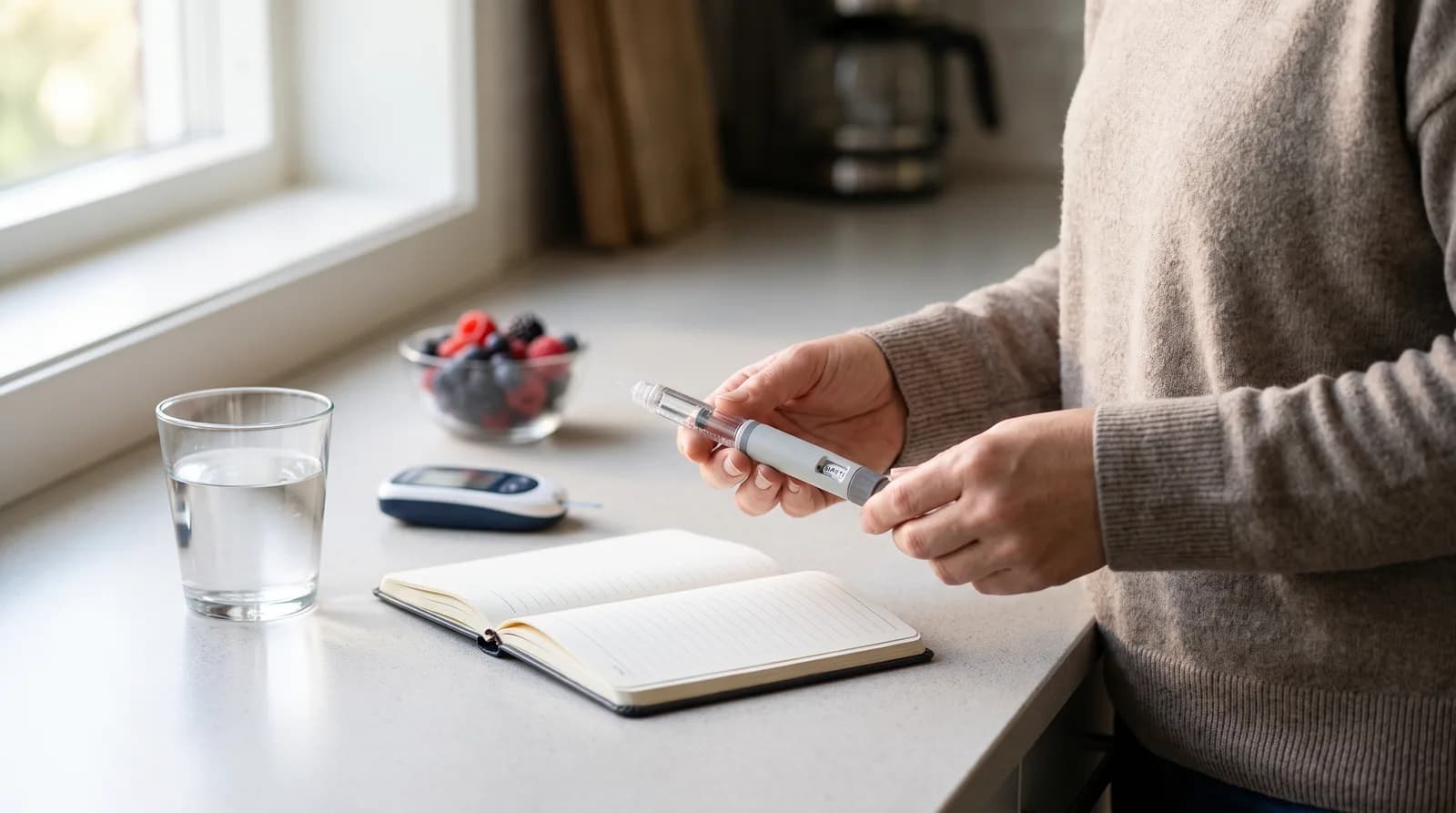
GLP-1 medications for type 2 diabetes have become one of the most talked-about tools in diabetes care. If your blood sugar has been hard to control with diet, exercise, or older medications, you've probably heard your provider mention this drug class. But how do these medications actually work, and are they right for you?
More than 40 million Americans live with diabetes, and type 2 diabetes accounts for 90 to 95% of those cases, according to the CDC. Many people never reach a healthy blood sugar range through lifestyle changes alone. That gap is exactly where GLP-1 therapy fits in.
This article covers how GLP-1 medications work, what they do for blood sugar and weight, who qualifies, and what treatment looks like under a provider's care. If you want to see the full range of primary and chronic care services Lyva offers, that's a good place to start.
What Are GLP-1 Medications for Type 2 Diabetes and How Do They Work?
A GLP-1 medication is a drug that mimics a natural gut hormone to help regulate blood sugar in people with type 2 diabetes. It signals the pancreas to release insulin when blood sugar rises, and it slows how quickly food leaves the stomach.
The hormone GLP-1, short for glucagon-like peptide-1, is released naturally after eating. In someone with type 2 diabetes, that signal often doesn't work as well as it should. GLP-1 medications, which include semaglutide and liraglutide, restore that signal. They also reduce how much sugar the liver releases between meals, which is a major reason blood sugar spikes overnight for many patients.
These medications are usually given as a weekly or daily injection, though some options come as pills. Your provider decides the right form and starting dose based on your health history.

How Do GLP-1 Medications Lower Blood Sugar and A1C?
GLP-1 medications lower blood sugar and A1C by increasing insulin release after meals and reducing excess sugar production by the liver. Over several months, this combination typically brings A1C down in a measurable, meaningful way for most patients.
A1C reflects your average blood sugar over roughly three months, so it's the number providers watch most closely. Clinical studies have shown consistent A1C reductions with GLP-1 therapy, often enough to move someone from poorly controlled to well-controlled diabetes. That matters. Better A1C control is linked to a lower risk of nerve damage, kidney disease, and vision problems down the road.
- Reduced fasting blood sugar levels
- Lower post-meal blood sugar spikes
- Fewer swings between high and low blood sugar
- Improved A1C readings over 3 to 6 months
Results vary. Your provider rechecks your A1C periodically to see how your body is responding and adjusts your plan from there.
Struggling to manage your blood sugar?
Lyva's providers can review your history and talk through whether GLP-1 therapy fits your diabetes care plan.
Book an Appointment →Why Do GLP-1 Medications Also Cause Weight Loss?
GLP-1 medications often lead to weight loss because they slow digestion and increase feelings of fullness, which naturally reduces how much a person eats. For many patients with type 2 diabetes, this is a welcome secondary benefit rather than the main goal.
Excess weight makes it harder for the body to use insulin effectively, so weight loss and blood sugar control tend to move together. About 2 in 5 U.S. adults live with obesity, per the CDC, and many also have type 2 diabetes or prediabetes. Research on GLP-1 receptor agonists has shown participants losing a significant share of body weight over the course of a year of treatment, an effect first documented in a widely cited New England Journal of Medicine trial. Losing even 5 to 10% of body weight can improve blood pressure, cholesterol, and blood sugar together, according to the NIH.
Not everyone loses the same amount, and that's normal. The medication is one part of a bigger plan that usually includes nutrition guidance and regular follow-up.
Who With Type 2 Diabetes Is a Good Candidate for GLP-1 Therapy?
Good candidates for GLP-1 therapy are typically adults with type 2 diabetes whose blood sugar remains above target despite lifestyle changes or other medications. A provider evaluates your full health picture, not just one lab result, before recommending this path.
Your provider looks at your current A1C, kidney function, weight, and any history of pancreatitis or thyroid conditions. Some people with type 1 diabetes or specific thyroid cancer histories are not candidates for this drug class. This is exactly why individualized evaluation matters so much here.
- Review your current diabetes medications and A1C history
- Check kidney function and relevant lab work
- Discuss your weight, lifestyle, and treatment goals
- Screen for contraindications like a personal or family history of certain thyroid cancers
- Start with a low dose and adjust gradually based on response
If you're unsure whether you qualify, a conversation with your chronic disease care provider is the fastest way to find out.

What Side Effects Should People With Diabetes Watch For?
The most common side effects of GLP-1 medications for diabetes are nausea, mild stomach upset, and reduced appetite, especially in the first few weeks. These effects usually fade as your body adjusts to the medication.
Starting at a low dose and increasing slowly helps most people avoid the worst of it. Staying hydrated and eating smaller meals also helps. Less commonly, some patients experience vomiting or constipation. Rare but serious risks include pancreatitis and gallbladder problems, which is why ongoing monitoring matters.
| Side Effect | How Common | What Helps |
|---|---|---|
| Nausea | Common, early on | Smaller meals, slow dose increase |
| Constipation | Occasional | Hydration, fiber intake |
| Pancreatitis | Rare | Provider monitoring, prompt reporting |
Call your provider right away if you notice severe abdominal pain. That's not something to wait out on your own.
Have questions about GLP-1 side effects?
Lyva's providers monitor your progress closely and adjust your plan as needed.
Request an Appointment →How Does GLP-1 Treatment Fit Into an Overall Diabetes Care Plan at Lyva?
GLP-1 treatment fits into a broader diabetes care plan alongside regular A1C checks, nutrition support, and monitoring for related conditions like high blood pressure or cholesterol. It's one tool among several, not a standalone fix.
At Lyva, diabetes management typically includes routine lab work, medication review, and lifestyle coaching, all coordinated by the same provider over time. Because Lyva offers both in-person visits in Avondale Estates and telehealth across Georgia, follow-up appointments are easier to keep consistent, which matters for a condition that needs ongoing attention rather than a one-time fix.
For a deeper look at how ongoing monitoring works, see this guide to type 2 diabetes management and A1C tracking in metro Atlanta.
GLP-1 medications for type 2 diabetes offer a genuine option for people whose blood sugar hasn't responded to lifestyle changes alone. They aren't a cure and they aren't right for everyone, but for the right candidate, they can meaningfully improve A1C and overall metabolic health.
This article is for general educational purposes only and is not a substitute for professional medical advice, diagnosis, or treatment. Always consult your provider at Lyva with any questions about a medical condition or treatment.
Ready to talk about your diabetes care options?
Lyva's providers offer personalized, whole-person diabetes care in Avondale Estates and by telehealth across Georgia.
Book Appointment →Prefer to talk it through first?
Contact Lyva →Alaa Hammond, MSN, APRN, FNP-C
MSN, APRN, FNP-C · Lyva Primary Care & Wellness Center
Avondale Estates, GA family nurse practitioner providing whole-person primary and preventive care — including chronic disease management, men's health, and medical weight loss — in person and via telehealth across Georgia.
Frequently Asked Questions
Was this article helpful?
You may also like
Primary Care vs ER for Minor Injuries in Avondale Estates
Primary care vs ER for minor injuries: learn which cuts, sprains, and small fractures suit a same-day clinic visit and which need the ER.

Irregular Periods Causes: Hormone Levels and When to Worry
Learn the top irregular periods causes, what hormone levels like FSH and TSH reveal, and when to see a provider. Lyva serves Avondale Estates, GA.

Cholesterol Numbers Explained: LDL, HDL, and Triglycerides
Cholesterol numbers explained: what LDL, HDL, and triglycerides mean on your lipid panel, why total cholesterol misses the full picture, and next steps.
Ready to Start Your Health Journey?
Schedule your appointment today and take the first step toward better health. New patients welcome. Most insurance accepted.

Primary Care • Men's Health • Weight Loss Clinic
Phone
+1 (404) 905-6666
Location
Avondale Estates, GA
Hours
Mon-Fri: 8AM - 6PM