
Diabetes Screening Test: Who Needs One and How Often
Wondering if you need a diabetes screening test? Learn who's at risk, how often to test, and what your results mean at Lyva in Avondale Estates.
Alaa Hammond, MSN, APRN, FNP-C, MSN, APRN, FNP-C
September 24, 2026
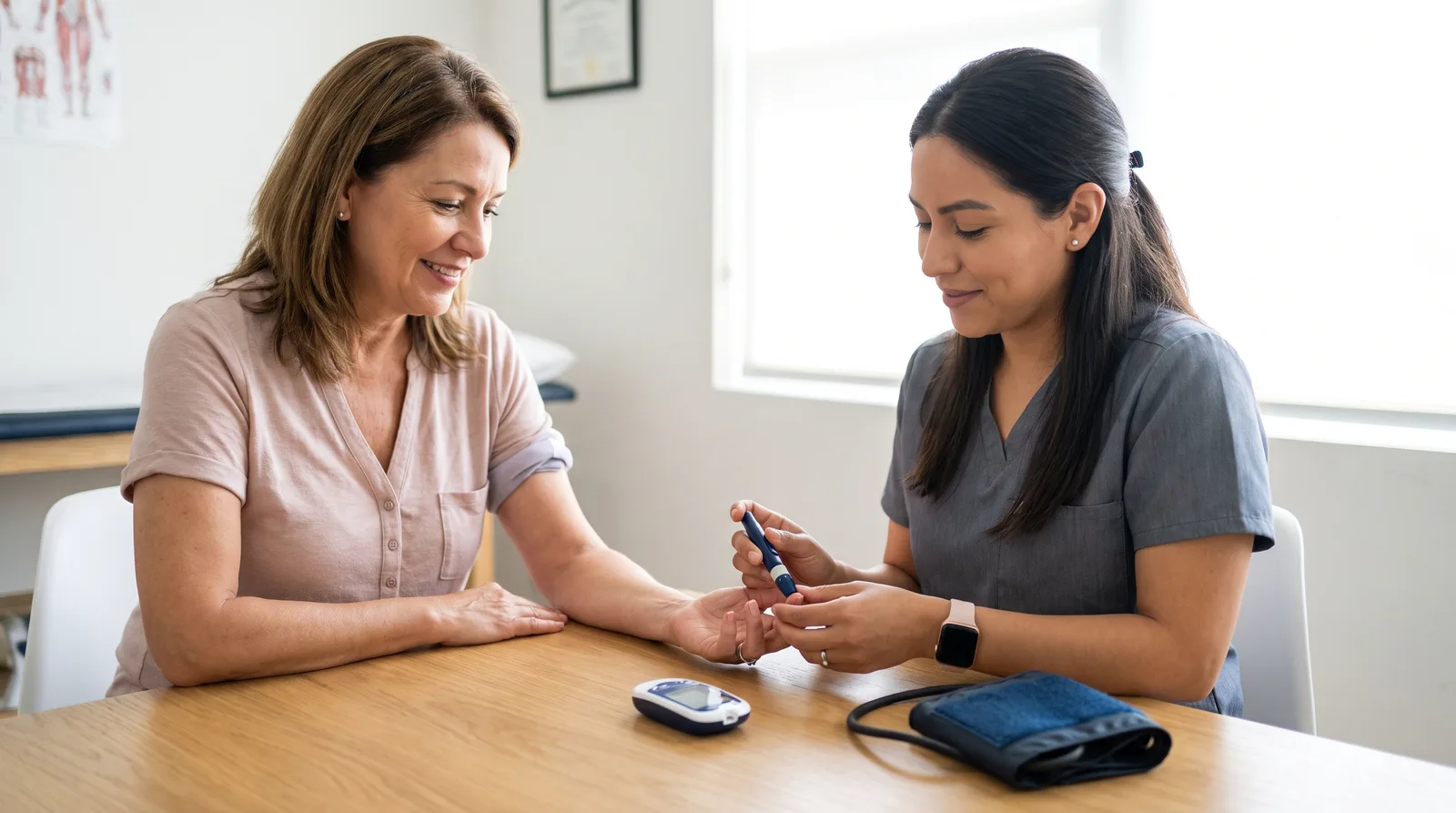
A diabetes screening test is a simple blood check that can catch diabetes or prediabetes years before symptoms show up. That matters. More than 1 in 3 U.S. adults has prediabetes, and most don't even know it. For anyone in Avondale Estates wondering whether it's time to get tested, this guide covers who needs screening, how often, and what the numbers actually mean. If you're ready to see what care looks like beyond a single test, Lyva's primary and preventive care services build screening into your regular checkups instead of leaving it to guesswork. Here's what to know before your next visit.
What Is a Diabetes Screening Test?
It's a simple blood check that measures how your body processes sugar, not a diagnosis on its own. It's a starting point. Providers typically use one of two blood draws: a fasting blood sugar check or an A1C test, which estimates your average blood sugar over the past three months.
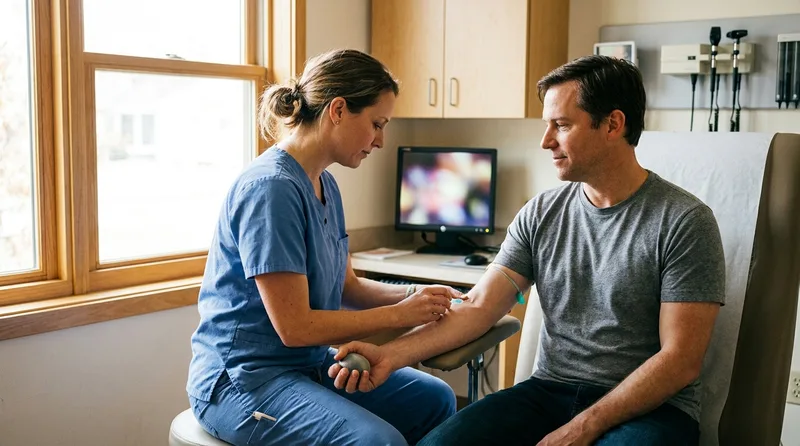
Both tests are quick, require no special prep beyond fasting for a few hours (for the fasting version), and can be done during a regular visit. Unlike a diagnostic workup after symptoms appear, screening happens before anything feels wrong. That's the whole point. Type 2 diabetes often develops silently for years, and catching prediabetes early gives you real room to reverse it through diet, activity, and weight changes rather than starting medication later.
Not sure which test you need?
Lyva's providers can order the right screening test based on your age, weight, and family history, then walk you through what your numbers mean.
Book an Appointment →Who Needs to Get Screened for Diabetes?
Adults age 35 and older should get screened, according to national guidelines, and screening should start earlier if you carry extra risk factors. Weight, family history, and activity level all shift that starting line. A 25-year-old with several risk factors may need testing well before a 40-year-old with none.
Screening usually starts earlier than 35 if you're overweight or living with obesity and also have one or more of these:
- A parent or sibling with type 2 diabetes
- A history of gestational diabetes during pregnancy
- High blood pressure or abnormal cholesterol
- A sedentary lifestyle with little regular physical activity
- Certain racial and ethnic backgrounds, including Black, Hispanic, Native American, Asian American, and Pacific Islander populations, which carry higher documented risk
National screening guidelines call for testing at any age once excess weight and even one of these factors are both present, not waiting until 35. The CDC tracks these same risk factors as key drivers of diabetes risk nationally. If two or more apply to you, don't wait for a routine physical to bring it up. Ask.
How Often Should You Get Screened for Diabetes?
Most adults with normal results should retest every three years, per national screening guidelines. That interval shortens to yearly once your results move into the prediabetes range or a new risk factor shows up, like weight gain or high blood pressure.
| Your Situation | Recommended Frequency |
|---|---|
| Normal results, low risk | Every 3 years |
| Prediabetes range | Every 1 year |
| History of gestational diabetes | Every 1 to 3 years |
| Multiple risk factors present | As recommended by your provider, often annually |
Your provider sets the exact schedule based on your last result and your overall risk picture. Skipping years because "nothing feels wrong" is exactly how prediabetes goes unnoticed. Type 2 diabetes accounts for 90 to 95% of all diagnosed cases, and it's almost always this kind of quiet, gradual buildup.
What Do Diabetes Screening Results Mean?
Your diabetes screening test results fall into one of three ranges: normal, prediabetes, or diabetes, based on your A1C or fasting blood sugar number. Where you land determines the next conversation with your provider, not the end of one.
| Result | A1C | Fasting Blood Sugar |
|---|---|---|
| Normal | Below 5.7% | Below 100 mg/dL |
| Prediabetes | 5.7% to 6.4% | 100 to 125 mg/dL |
| Diabetes | 6.5% or higher | 126 mg/dL or higher |
A single high result usually gets confirmed with a repeat test before anything is official. Landing in the prediabetes range isn't a diagnosis of diabetes. Think of it as a warning light, not a verdict, and one that often responds well to changes in food, movement, and weight. Screening for related risks matters too. Many people with abnormal blood sugar also carry cardiovascular risk, and a cardiovascular risk assessment often gets ordered alongside diabetes screening for a fuller picture.
Already have your results in hand?
A nurse practitioner at Lyva can explain what your numbers mean for you specifically and build a plan around them.
Contact Us →Screening and Care at Lyva in Avondale Estates, GA
Lyva builds diabetes screening into routine visits instead of treating it as a separate errand. Founding clinician Alaa Hammond, a board-certified family nurse practitioner, orders the right test based on your age and risk factors, then explains results in plain terms.
A typical screening visit at Lyva looks like this:
- Discuss your risk factors and family history with your provider
- Get a fasting blood sugar or A1C draw, done in the same visit
- Review your results and next steps once they come back
For general background on the condition itself, the Mayo Clinic outlines how diagnosis typically works, though your specific plan depends on your own results and history.
Same-day appointments are available for patients who'd rather not wait weeks to get tested, and Lyva offers telehealth visits across Georgia for follow-up conversations once results come back. Most major insurance plans are accepted, and transparent self-pay pricing is available for anyone without coverage. Screening is only useful if it leads somewhere, and that's the part Lyva focuses on: what happens after the number comes back. Whether your results are normal, borderline, or already in diabetes territory, your next steps get mapped out during that same visit, not weeks later.
Getting screened for diabetes isn't about chasing a scary number. It's about catching something manageable while it's still manageable. Waiting for symptoms means waiting for the disease to already have a foothold, and with type 2 diabetes, that foothold can take years to announce itself. A single blood draw, checked on the right schedule, is a small ask for that kind of head start.
This article is for general educational purposes only and is not a substitute for professional medical advice, diagnosis, or treatment. Always consult your provider at Lyva with any questions about a medical condition or treatment.
Ready to Get Screened?
Book a visit with Lyva Primary Care & Wellness Center and get a clear answer on where you stand.
Book Appointment →Prefer to talk it through first?
Call (404) 905-6666 →Alaa Hammond, MSN, APRN, FNP-C
MSN, APRN, FNP-C · Lyva Primary Care & Wellness Center
Avondale Estates, GA family nurse practitioner providing whole-person primary and preventive care — including chronic disease management, men's health, and medical weight loss — in person and via telehealth across Georgia.
Frequently Asked Questions
Was this article helpful?
You may also like

Cardiovascular Risk Assessment Test: What It Shows
A cardiovascular risk assessment test checks blood pressure, cholesterol, and blood sugar to estimate your heart attack and stroke risk.
Medical Nutrition Counseling in Avondale Estates, GA
Looking for medical nutrition counseling in Avondale Estates? See how Lyva's provider-led nutrition coaching differs from a diet app, and who it helps.

Hormone Testing for Women: What a Panel Actually Checks
Considering hormone testing for women? Learn exactly what a comprehensive panel checks, when to test, and what your results mean at Lyva.
Ready to Start Your Health Journey?
Schedule your appointment today and take the first step toward better health. New patients welcome. Most insurance accepted.

Primary Care • Men's Health • Weight Loss Clinic
Phone
+1 (404) 905-6666
Location
Avondale Estates, GA
Hours
Mon-Fri: 8AM - 6PM