
Hyperthyroidism vs Hypothyroidism: Symptoms and Testing
Hyperthyroidism vs hypothyroidism: compare symptoms from nausea to cold sensitivity, how thyroid testing works, and when to get checked.
Alaa Hammond, MSN, APRN, FNP-C, MSN, APRN, FNP-C
November 2, 2026

Your appetite has changed, your temperature won't settle, and now you're weighing hyperthyroidism vs hypothyroidism. The two conditions are opposites. One means your thyroid makes too much hormone, the other too little, and each speeds up or slows down many of your body's functions. Lyva Primary Care & Wellness Center in Avondale Estates evaluates thyroid concerns as part of its chronic care for adults across metro Atlanta.
This guide lines up symptoms side by side, including nausea, appetite changes, and sensitivity to cold. You'll also learn how testing works, what looks different in men, and when it's reasonable to ask for a check. Start by sorting your symptoms.
Wondering if it's your thyroid?
Lyva offers same-day visits when available, plus telehealth across Georgia. Call to ask about thyroid testing.
Call (404) 905-6666 →How Do Hyperthyroidism vs Hypothyroidism Symptoms Compare?
Hyperthyroidism speeds your body up and hypothyroidism slows it down, so their symptoms often point in opposite directions. An overactive thyroid tends to cause weight loss, a fast heartbeat, and heat sensitivity. An underactive one tends to cause weight gain, a slow heartbeat, and cold sensitivity.
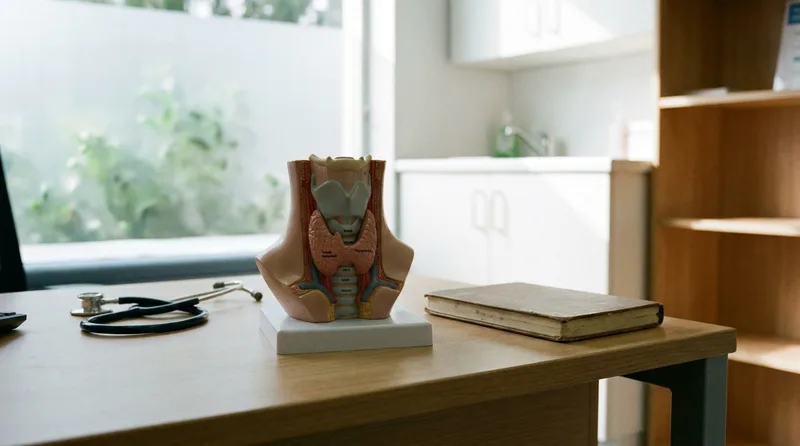
The MedlinePlus hyperthyroidism overview defines the condition as too much thyroid hormone, and the site's hypothyroidism page describes the reverse. Here's how the two compare day to day.
| Feature | Hyperthyroidism (overactive) | Hypothyroidism (underactive) |
|---|---|---|
| Common cause | Graves' disease | Hashimoto's disease |
| Metabolism | Speeds up | Slows down |
| Weight | Often drops, even when you're eating normally | Often creeps up |
| Heart rate | Fast or pounding | Slow |
| Temperature | Heat sensitivity and sweating | Cold sensitivity |
| Digestion | Looser, more frequent stools, and sometimes nausea | Constipation and bloating |
| Mood and sleep | Anxious, jittery, trouble sleeping | Low mood, sluggish, sleepy |
Here's the catch. Jitteriness, low mood, and poor sleep also show up with anxiety and depression, which is one reason thyroid problems get missed. The NIMH notes that anxiety disorders are among the most common mental health conditions in the U.S., so a blood test can help rule the thyroid in or out.
Can Thyroid Problems Cause Nausea and Loss of Appetite?
Yes, both can happen with thyroid problems, though the pattern differs. Nausea can accompany hyperthyroidism, especially when hormone levels run high, while appetite may rise, fall, or stay the same depending on the person. With hypothyroidism, appetite can dip even as weight creeps up.
With an overactive thyroid
- Nausea and sometimes vomiting can occur when thyroid hormone levels are high.
- Appetite usually rises, yet weight drops because the body burns energy faster.
- Some people, especially older adults, lose their appetite instead.
- Loose or frequent stools often come along with it.
With an underactive thyroid
- Appetite can drop while weight still creeps up, because metabolism slows.
- Constipation, bloating, and a heavy, sluggish feeling are common.
Healthline's hypothyroidism overview lists constipation and weight gain among the common signs. Weight changes deserve their own look, and Lyva's guide to thyroid and weight gain goes deeper on that side of the story. A lasting change in appetite, paired with an unexplained weight change, is a reason to ask about a thyroid check. It isn't something to diagnose yourself.
One safety note. Persistent vomiting or nausea you can't keep under control needs prompt medical attention, whatever the cause.
How Do Thyroid Problems Affect Body Temperature and Cold Sensitivity?
Thyroid hormone helps set how much heat your body produces, so thyroid problems often change how warm or cold you feel. Hypothyroidism commonly causes cold sensitivity, while hyperthyroidism tends to cause heat sensitivity and sweating. Both are worth mentioning to a provider when the change lasts.

Cleveland Clinic lists feeling cold more often than other people among the common signs of an underactive thyroid. Picture the office thermostat test. If you're reaching for a sweater while everyone else is comfortable, or fanning yourself in a cool room, your body may be telling you something.
- Needing extra layers when everyone else is comfortable.
- Sweating or feeling flushed in a normal, cool room.
- Cold hands and feet that don't warm up easily.
- Temperature changes that arrive alongside new shifts in weight, heart rate, or mood.
Keep a simple log for two weeks. Note the time of day, the room, and what you were doing when the temperature change hit. Patterns are far easier for a provider to read than memories.
Hot flashes and cold spells also come with perimenopause, so the full symptom picture matters more than any single clue. Chest pain, fainting, confusion, or a very fast heartbeat need emergency care, not a wait-and-see approach.
Do Thyroid Symptoms Look Different in Men?
Mostly no. The symptoms of thyroid disorders in males are largely the same as in women: changes in weight, energy, temperature, heart rate, and mood. The difference is how they're read. Men often blame them on stress, aging, or low testosterone, and may be slower to get checked.
That delay has a pattern behind it. According to CDC/NCHS data, men are less likely than women to have visited a doctor in the past year, so a thyroid problem can go unmentioned for a long time. Thyroid problems are more common in women, but men get them too.
- Unexplained weight change
- Low energy or muscle weakness
- Low libido
- Anxiety, low mood, or trouble sleeping
- Thinning hair
Because low energy and low libido overlap with low testosterone, Lyva's guide to getting tested for low testosterone is a useful companion read. A provider can sort out which lab work fits your symptoms.
Not sure which labs fit your symptoms?
Lyva's team can help you decide what to check, in person in Avondale Estates or by telehealth across Georgia.
Contact Us →How Are Hyperthyroidism and Hypothyroidism Tested?
Both conditions are tested with blood work, usually starting with a TSH test that shows how strongly your pituitary gland is signaling the thyroid. A provider may add free T4, sometimes T3, and antibody tests to find the cause. The results show whether the thyroid is overactive, underactive, or normal.
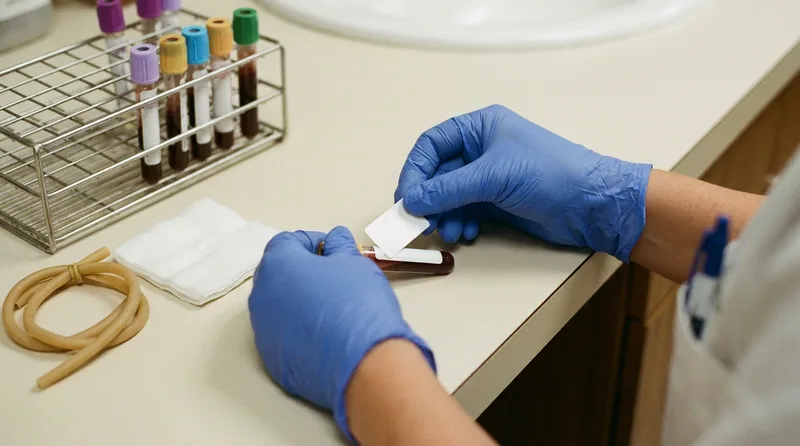
Both NIDDK and familydoctor.org, the patient site of the American Academy of Family Physicians, describe blood tests as central to diagnosing thyroid problems. Here's what the process usually looks like.
- Your provider asks about symptoms, family history, and medications, and may check your neck for swelling.
- A blood draw measures TSH, and often free T4.
- Extra labs, such as T3 or thyroid antibodies, help pinpoint the cause when results are abnormal.
- Imaging, such as a thyroid ultrasound, is added only if something needs a closer look.
- You review results together and set a plan, including a repeat test if needed.
Tell your provider about supplements before the draw. Biotin, for example, can interfere with some thyroid lab results.
Should I Get My Thyroid Checked?
Yes, if symptoms like unexplained weight change, a racing or slow heartbeat, temperature sensitivity, or low energy have lingered for weeks. A family history of thyroid disease or another autoimmune condition is also a good reason to ask. Testing is simple and starts with one blood draw.
Routine screening and symptom-driven testing aren't the same thing. The CDC notes that high blood pressure, high cholesterol, and diabetes often have no symptoms and are found through routine screening, which is why annual labs matter. Thyroid testing is usually guided by your symptoms and risk factors, so your provider decides what belongs on your panel.
- Weight, appetite, or energy changes you can't explain.
- A heartbeat that feels too fast, too slow, or irregular.
- A neck that looks or feels swollen, or trouble swallowing.
- Anxiety, low mood, or trouble sleeping that came on without a clear cause.
- Changes after pregnancy, or changes in your cycle.
- A family history of thyroid disease or another autoimmune condition.
At Lyva Primary Care & Wellness Center, nurse practitioner Alaa Hammond, FNP-C, can review your symptoms, order thyroid labs when they make sense, and manage ongoing care. Same-day visits are often available, and telehealth covers patients across Georgia. Lyva accepts Medicare, Blue Cross Blue Shield, Cigna, UnitedHealthcare, Humana, and most PPO plans, though coverage for specific labs varies by plan. Patients come from Avondale Estates, Decatur, and across DeKalb County.
Hyperthyroidism vs hypothyroidism is easy to mix up on paper and much easier to tell apart in a blood test. Symptoms overlap with stress, anxiety, perimenopause, and low testosterone, so guessing rarely works. Write down your temperature, appetite, weight, and heart rate changes for a week or two, then bring that list to a provider.
Lyva Primary Care & Wellness Center can start that conversation in person in Avondale Estates or by telehealth anywhere in Georgia. Book a visit, or call and ask about same-day availability.
This article is for general educational purposes only and is not a substitute for professional medical advice, diagnosis, or treatment. Always consult your provider at Lyva with any questions about a medical condition or treatment.
Get your thyroid symptoms looked at
Bring your list of symptoms. A provider will help you decide whether testing makes sense.
Book Appointment →Wondering whether your plan is accepted?
See Accepted Insurance →Alaa Hammond, MSN, APRN, FNP-C
MSN, APRN, FNP-C · Lyva Primary Care & Wellness Center
Avondale Estates, GA family nurse practitioner providing whole-person primary and preventive care — including chronic disease management, men's health, and medical weight loss — in person and via telehealth across Georgia.
Frequently Asked Questions
Was this article helpful?
You may also like

Menopause Treatment Near Avondale Estates: Options Compared
Compare menopause treatment near Avondale Estates, from hormone therapy to non-hormonal options, plus who to see and what insurance may cover.

Family History of Heart Disease: Risk in Avondale Estates
Family history of heart disease raises your risk but doesn't decide it. Learn who counts, which screenings help, and where to start in Avondale Estates.

Asthma Triggers in Atlanta, GA: Pollen, Smog and Inhalers
Asthma triggers Atlanta residents face include pollen, smog, and humid indoor air. Learn the signs your inhaler isn't enough and when to get care.
Ready to Start Your Health Journey?
Schedule your appointment today and take the first step toward better health. New patients welcome. Most insurance accepted.

Primary Care • Men's Health • Weight Loss Clinic
Phone
+1 (404) 905-6666
Location
Avondale Estates, GA
Hours
Mon-Fri: 8AM - 6PM